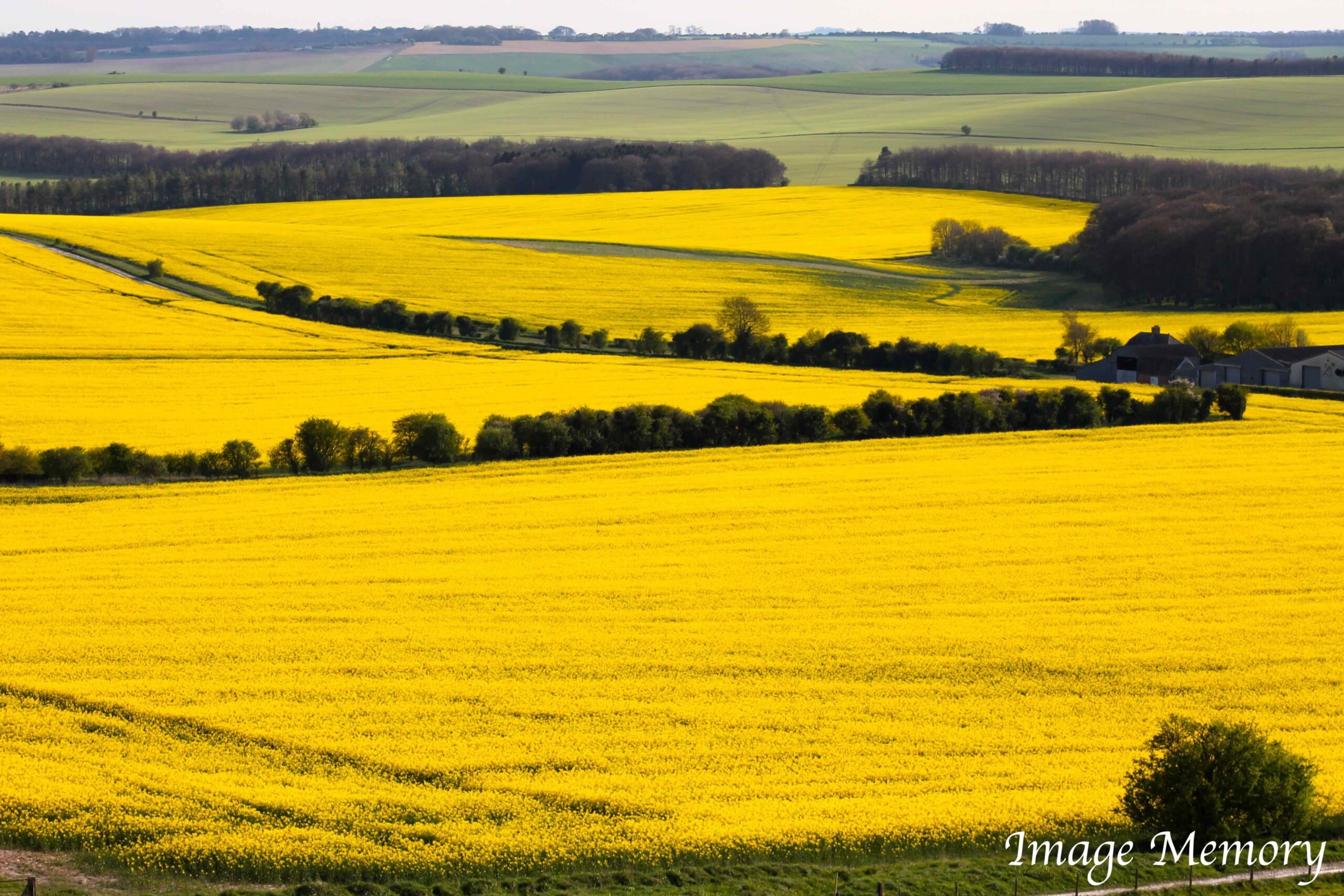
Fields of Yellow from the Prehistoric Hill of the Uffington White Horse
Coldplay’s song ‘Yellow’ is about “Brightness, hope and devotion”, according to Chris Martin their lead singer. He felt it reflected the mood of the band. The lyric “I swam across, I jumped across for you” encompassed the devotion that the band members had for each other, the lyric supports a group motivational force.
So, ‘Yellow’ is regarded as a bright, happy, warm colour – ‘Mr Happy’ is coloured yellow, for example, as is ‘Mr Brave’.
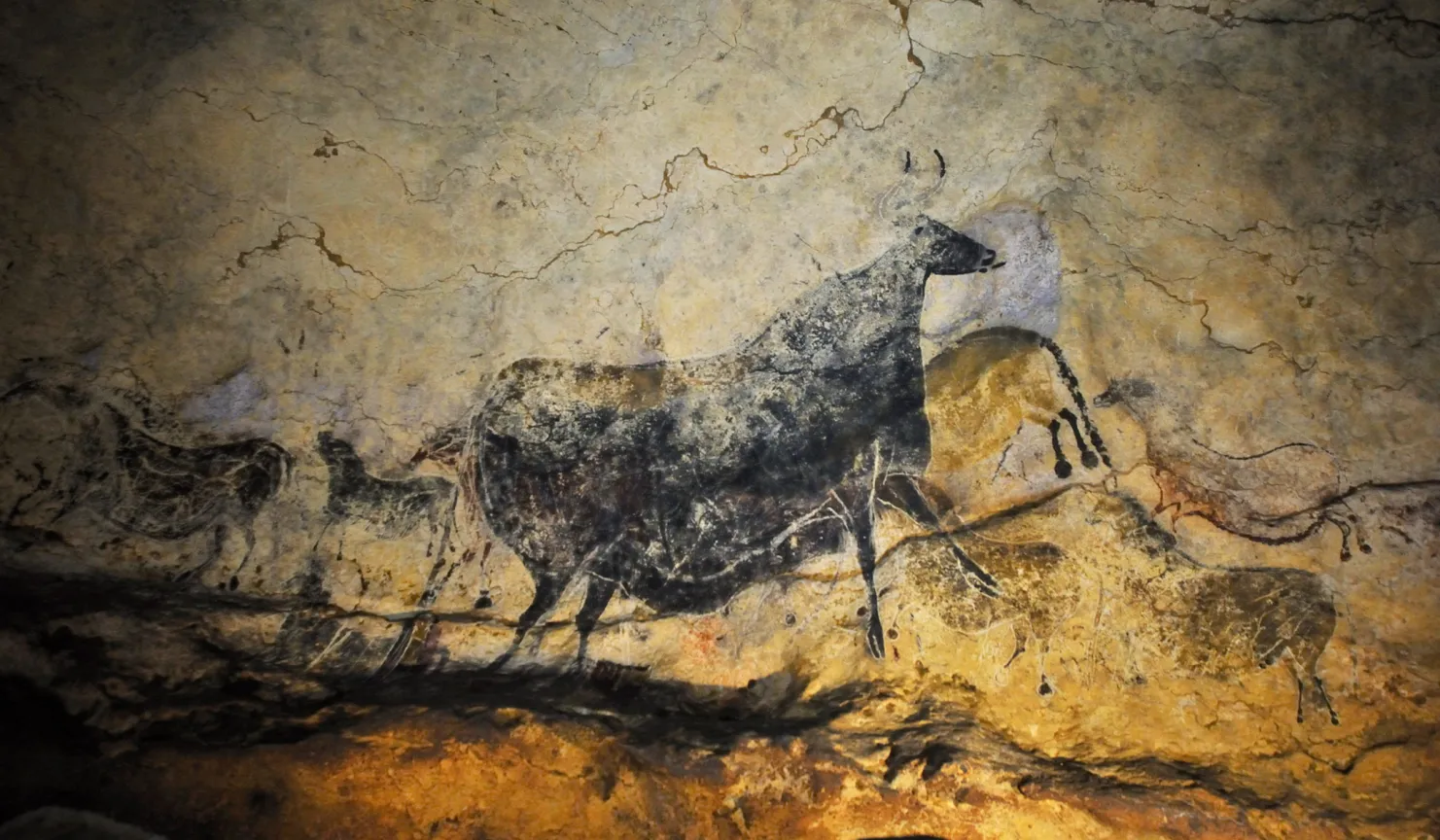
As a pigment, yellow has been used in painting since the beginning of time. Animals depicted in the caves of Lascaux in Southwestern France were painted yellow by Cro-Magnon artists in about 23,000 BC.
The word for the colour comes from geolu, Old English, meaning yellow or yellowish.
The yellow sun is worshipped by many cultures, with a quality recognised as being imperishable, eternal and indestructible. In Egyptian art, anything portrayed in yellow usually held this connotation.
Our sun is four and a half billion years old and essential for growing our food. Stars, like our sun, burn for 10 billion years so our sun is about half-way through its life.
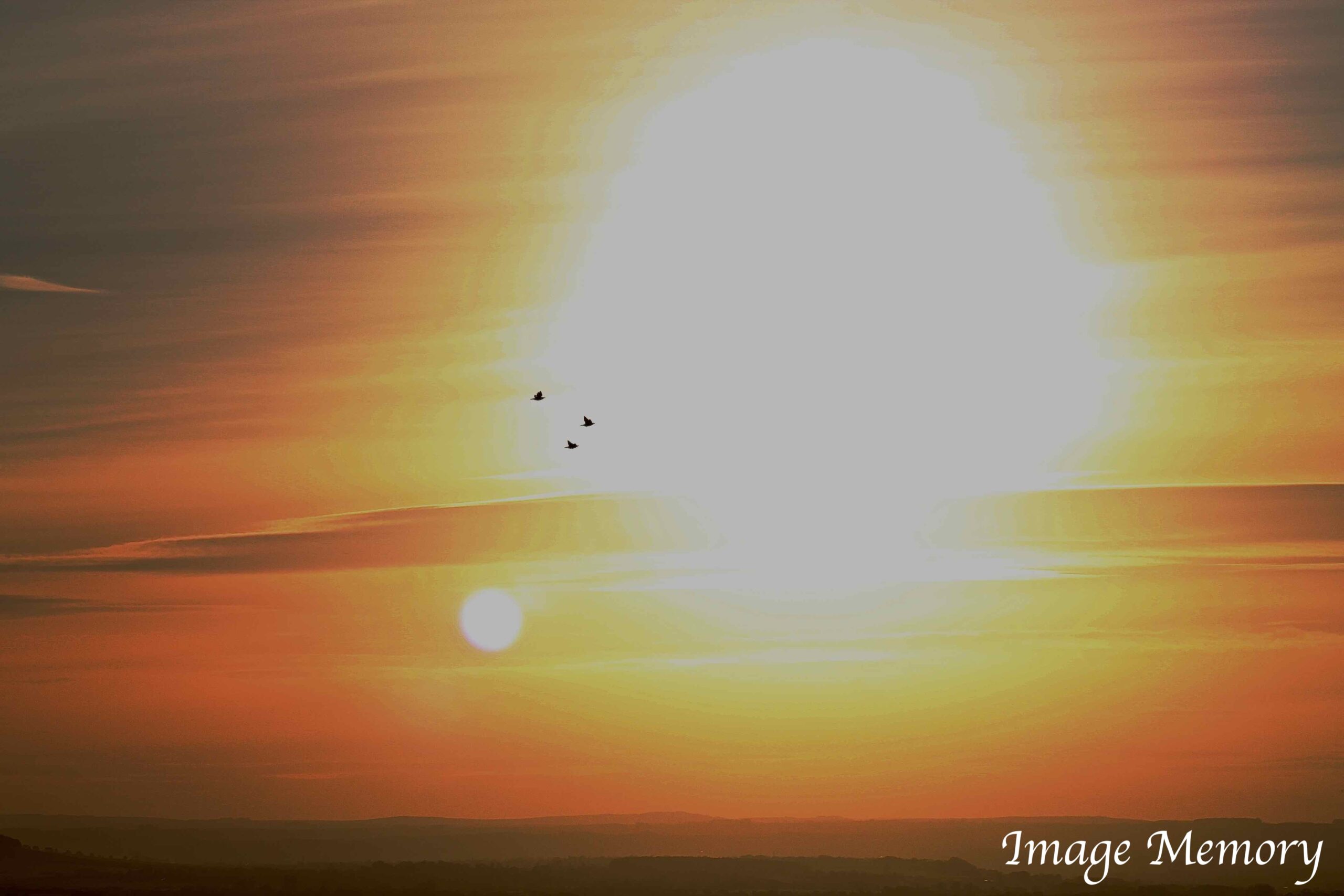
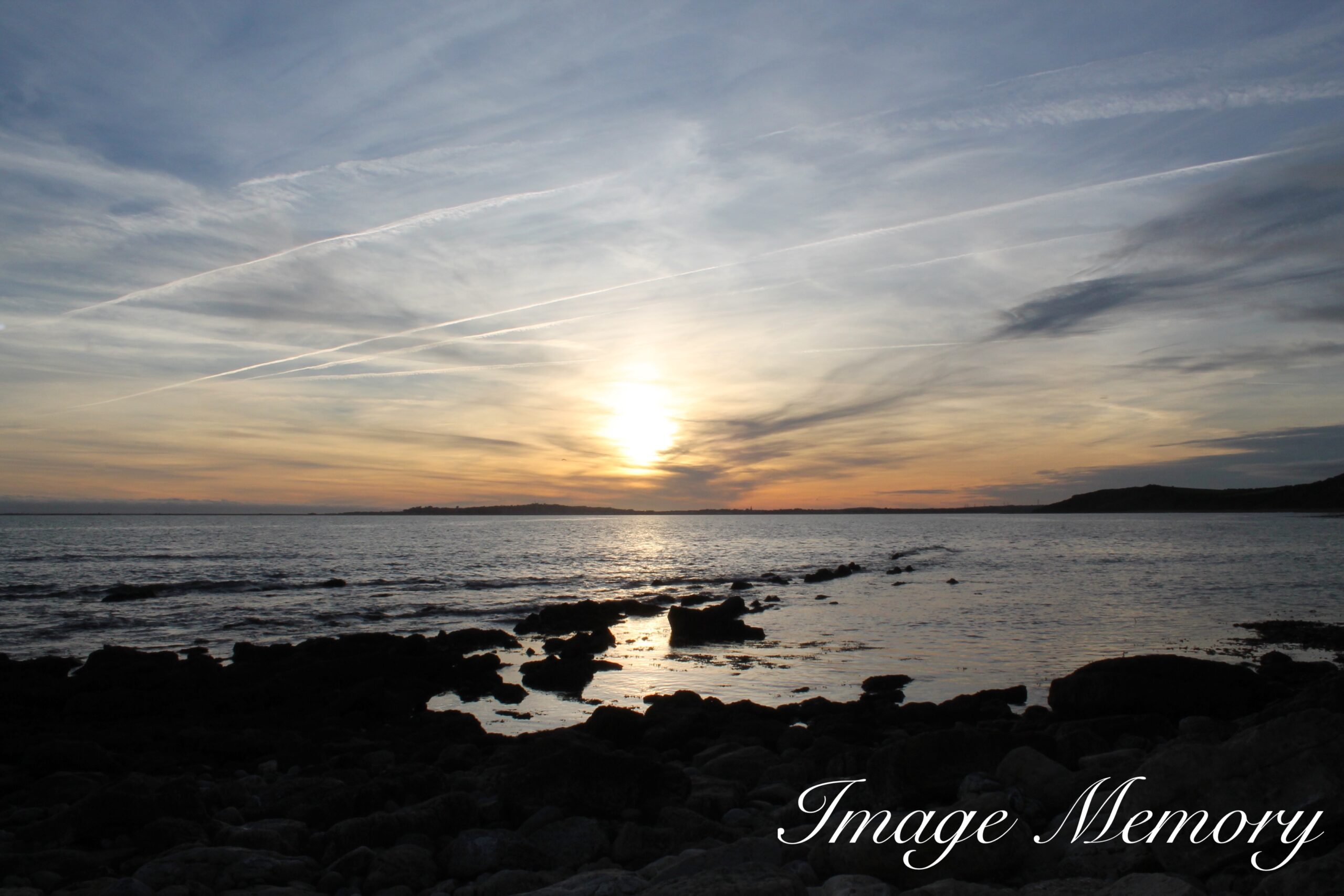
Late evening sun, Vale of Pewsey
Some plants and flowers follow the light of the sun. In the movie, Calendar Girls, the sunflower is mentioned. As soon as the sun rises, if there is no cloud, the sunflower lifts its head to face the light.
In a newly-published article in Science, researchers say the young plant’s sun-tracking system (called heliotropism) can be explained by circadian rhythms – the behavioural changes tied to an internal clock that we humans also have, which follow a roughly 24-hour cycle.
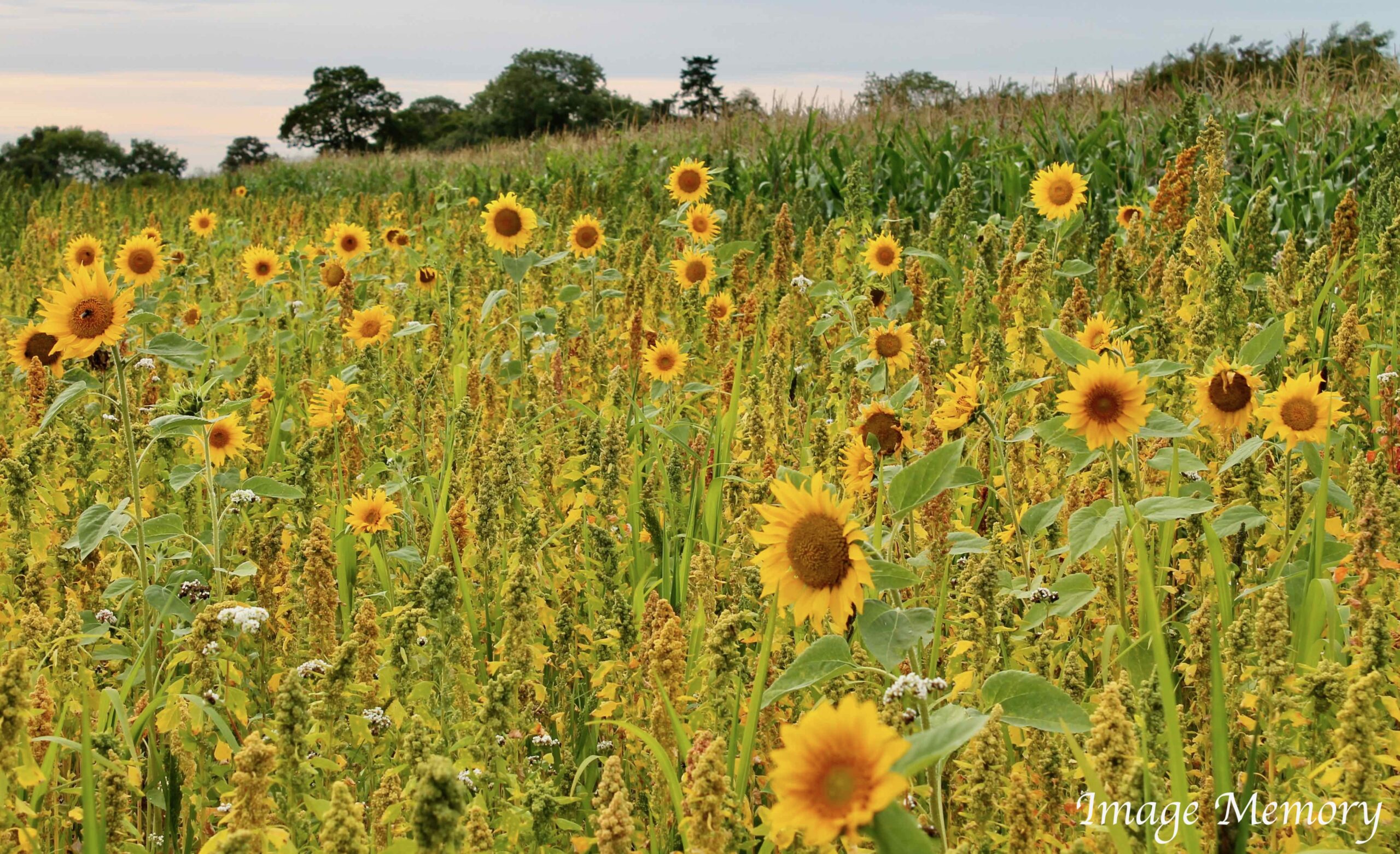
Sunflower field, Halstead, Essex
But how does the colour yellow affect your mood?
On the colour wheel, yellow is placed between orange and very light green. These warm colours are found to induce warmth, happiness and optimism.
When children are given a spectrum of coloured pens or crayons, they are more likely to pick the yellow colours.
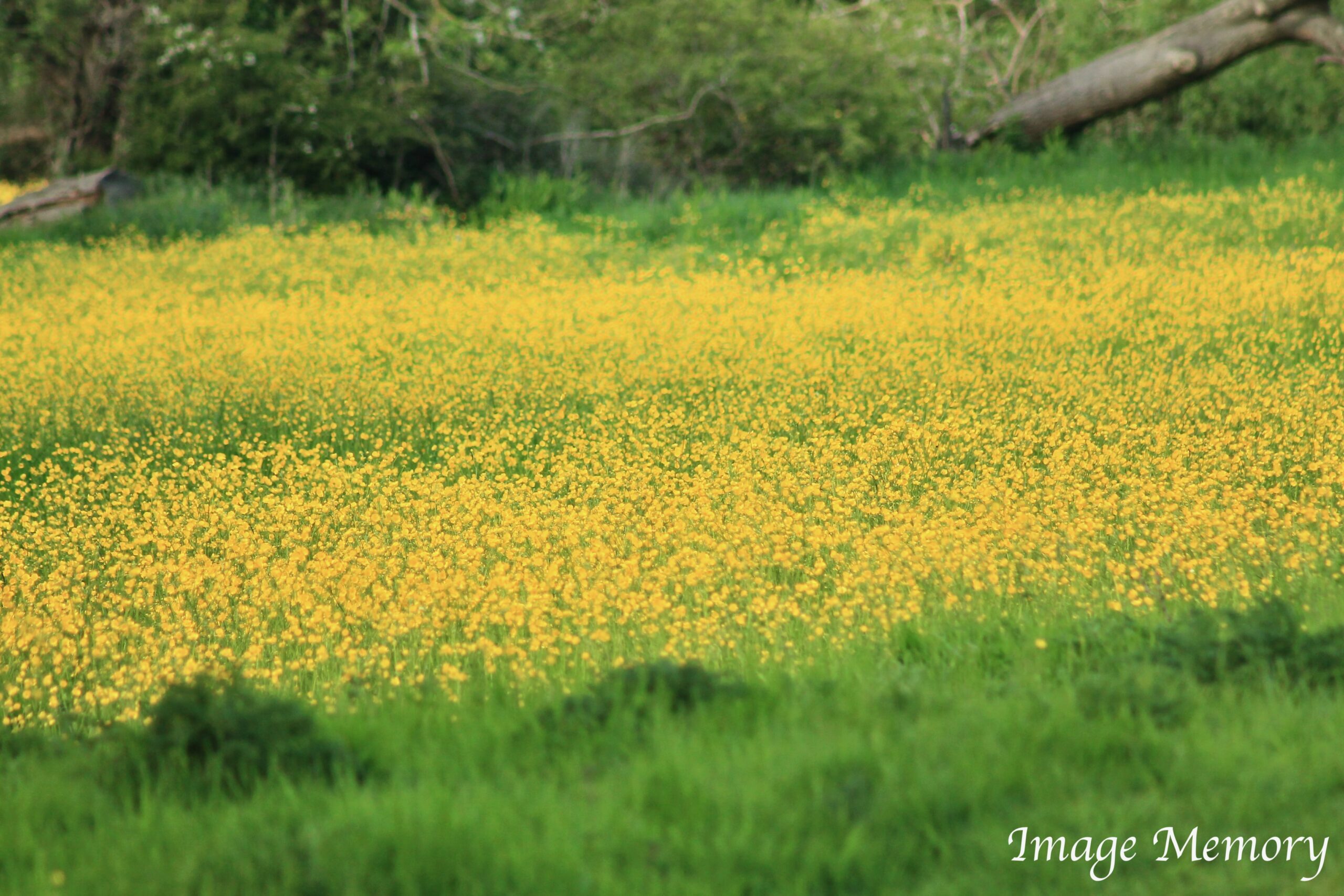
Buttercup Meadow, Flood Plain of the Kennet Canal
In studies made by retailers Carrefour and Finfare, yellow labels were used to depict a price reduced basic range of food items. Yellow was felt to be the best colour for this and ‘Reduced’ items in all supermarkets, with short use-by dates are usually marked with a yellow sticker.
Leatrice Eiseman in her book ‘Color: Messages and Meanings’ states that psychologically, yellow is the strongest colour. Yellow has been in use since the 19th Century to signify optimism and hope.
The symbol of a yellow ribbon became widely known in the 1970s as a reminder that an absent loved one, either in the military or in jail, would be welcomed home on their return journey.
During the Vietnam War, in October 1971, newspaper columnist Pete Hamill wrote an article in the New York Post called ‘Going Home’.
In it, he told a variant of the story, in which college students on a bus trip to the beaches of Fort Lauderdale make friends with an ex-convict who is watching for a yellow handkerchief on a roadside oak in Brunswick, Georgia.
L Russell Brown and Irwin Levine picked up on the tale and wrote the song ‘Tie a Yellow Ribbon Round the Ole Oak Tree’, which reached No. 1 in the charts in 10 countries in 1973.
According to the world expert on the unconscious effects of colour, Angela Wright in her book ‘Beginners Guide to Color Psycholgy’, yellow is associated with self-esteem, emotions and creativity.
Yellow aids the release of the chemical Serotonin in the brain, which acts as a mood stabiliser, also known as a happy chemical. Hence the use of yellow on smiley badges, Harvey Ball’s hottest selling image of the 1970-71 era.
This smiley face became the predecessor to emojis. Shigetaka Kurita created the first 180 emoji collection for a Japanese mobile web platform in 1998 and the concept spread quickly.
Vincent van Gogh used yellow extensively in his art.
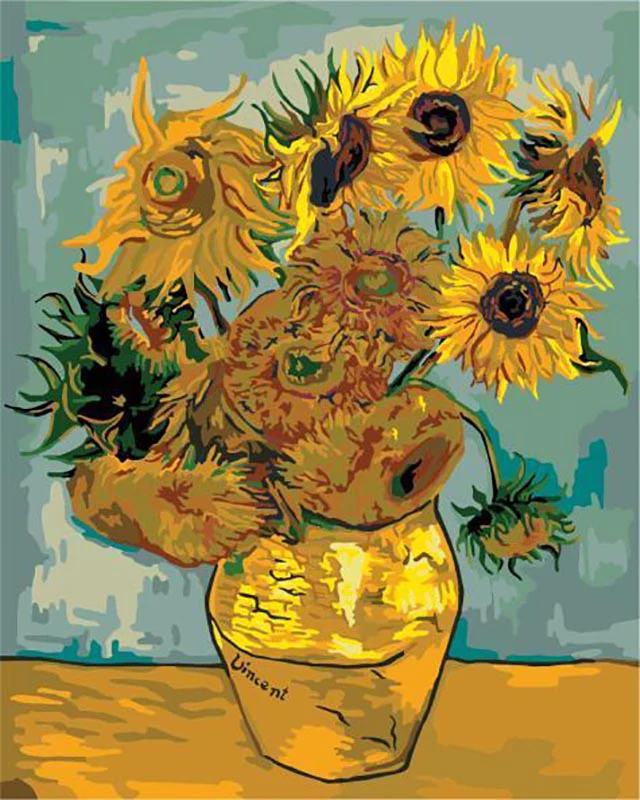
Vincent van Gogh, Sunflowers
On the 27 May 1888, Vincent van Gogh agreed to contribute towards the costs of having the house on Place Lamartine in Arles repainted inside and out.
The Yellow House, previously dilapidated, became visibly much fresher and brighter than that of the twin, left hand side of the structure, occupied by a grocer’s shop. He paid half of the bill of 10 francs on 10 June.
The effects of yellow on the brain include:
- Strong analytical thinking
- Increased levels of mental activity
- Heightened sense of awareness
- Increased levels of enthusiasm and energy
- Increased rate of metabolic activity
Yellow is an attention-grabbing colour, so it is used extensively in advertising and also on traffic signs.
Black with yellow on wasps and bees signal two things to predators. Either the insect is equipped with a toxic bite or sting or it tastes particularly unpleasant.
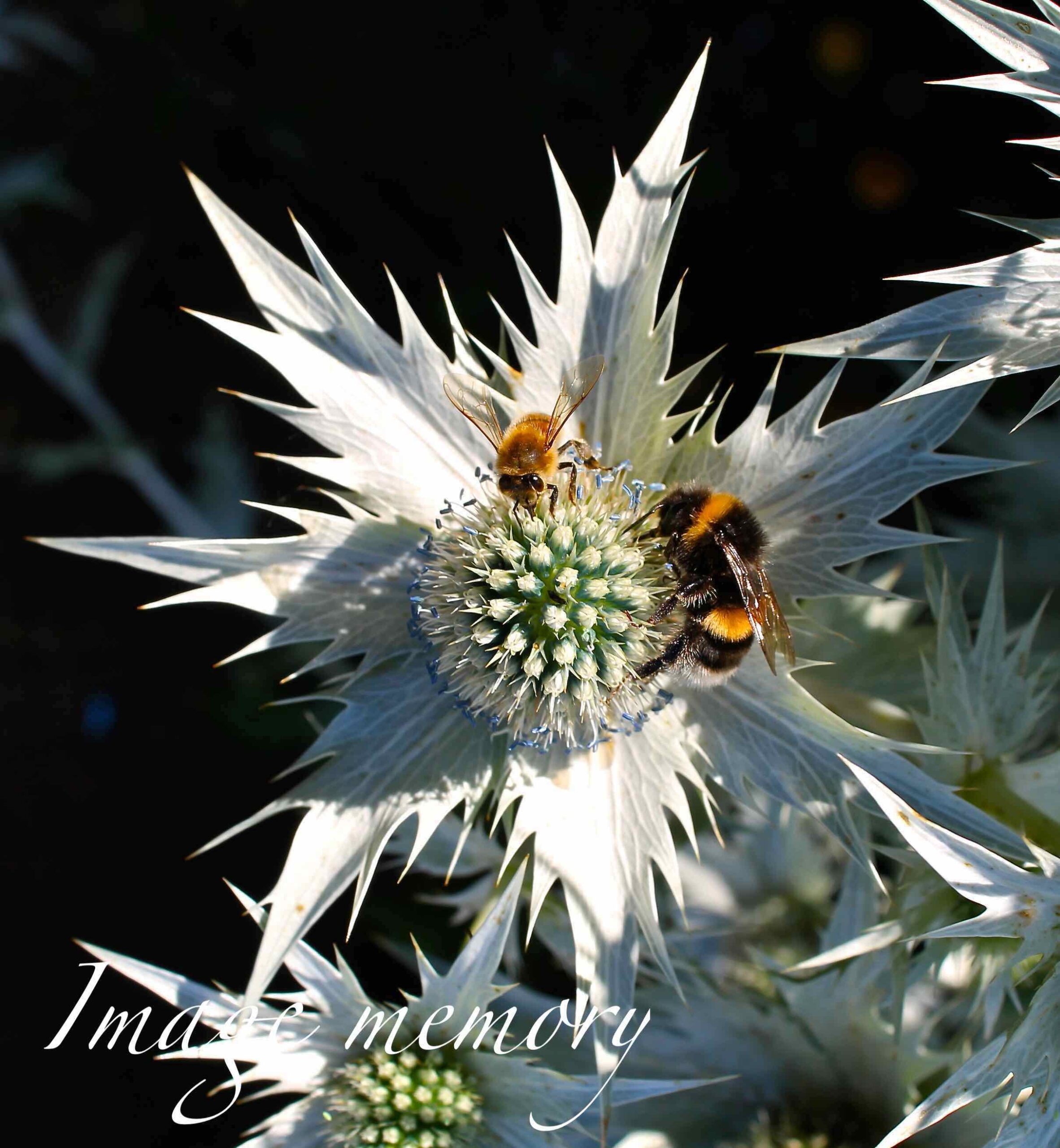
To Bee or not to Bee, Greeting Card by Hugo Richardson (no branding on the front cover, available for sale at Wellington Farm Shop )
Greeting cards also available at Doodles Cards, Gifts and Balloons, 96 High Street, Crowthorne, the No. 96 Shop, Northbrook Street Newbury and 10a School Road, Reading, H F Newberry Cards and Gifts, Twyford, Yateley Post Office, Harpton Parade, Yateley and Reading Museum
Next Week – Psychology of Colour – Green