Why are bees driven, what motivates them?


To Bee or not to Bee

To Bee or not to Bee

We are told that insects were created by God on the fifth day (see Genesis in the bible).

Clearly, Genesis’s account of creation is open to interpretation. The six days of creation are not twenty-four hour days but much longer periods, likely to be thousands to billions of years.

Bees evolved from ancient predatory wasps that lived 120 million years ago (please click on: Museum of the Earth).

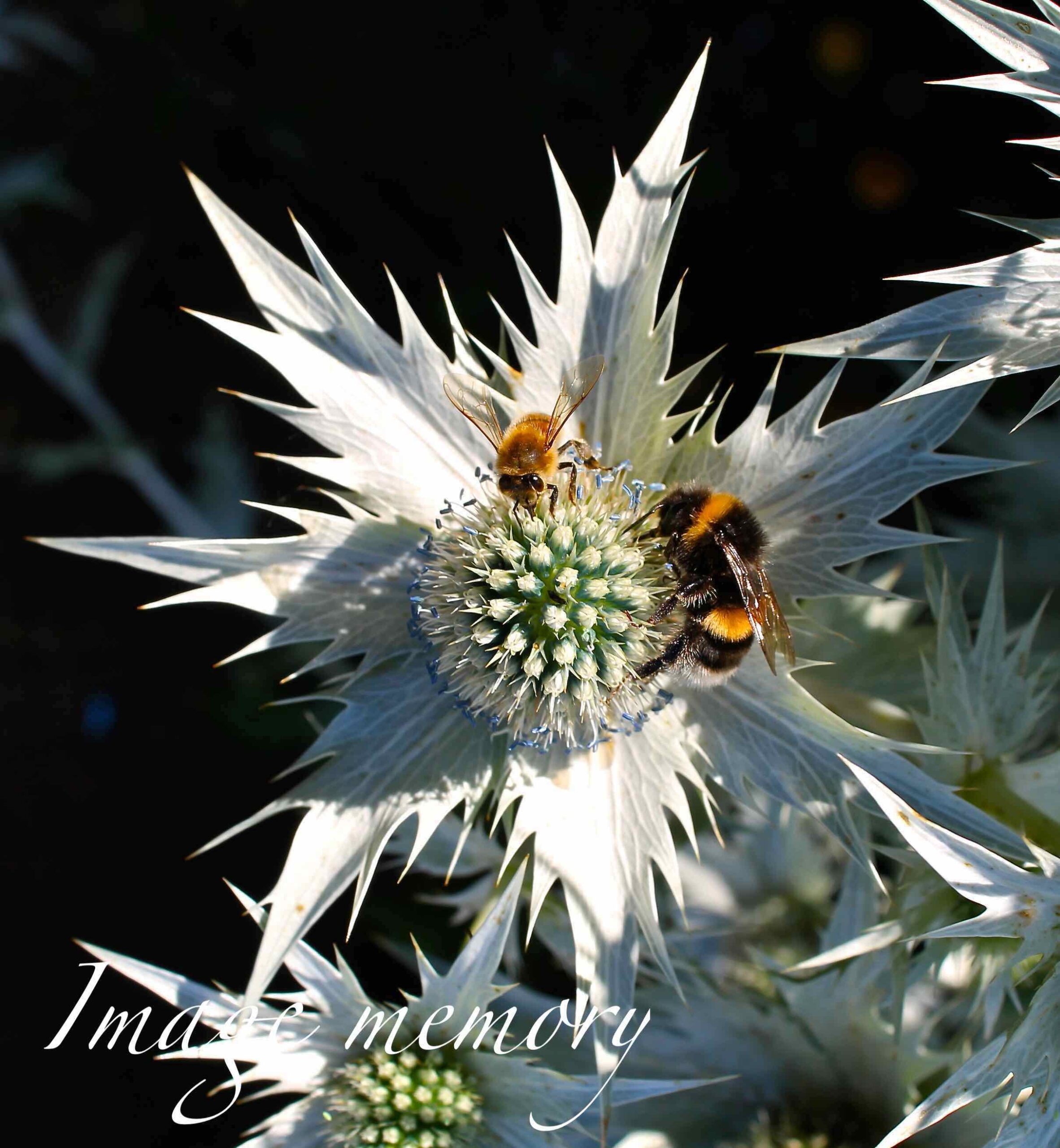
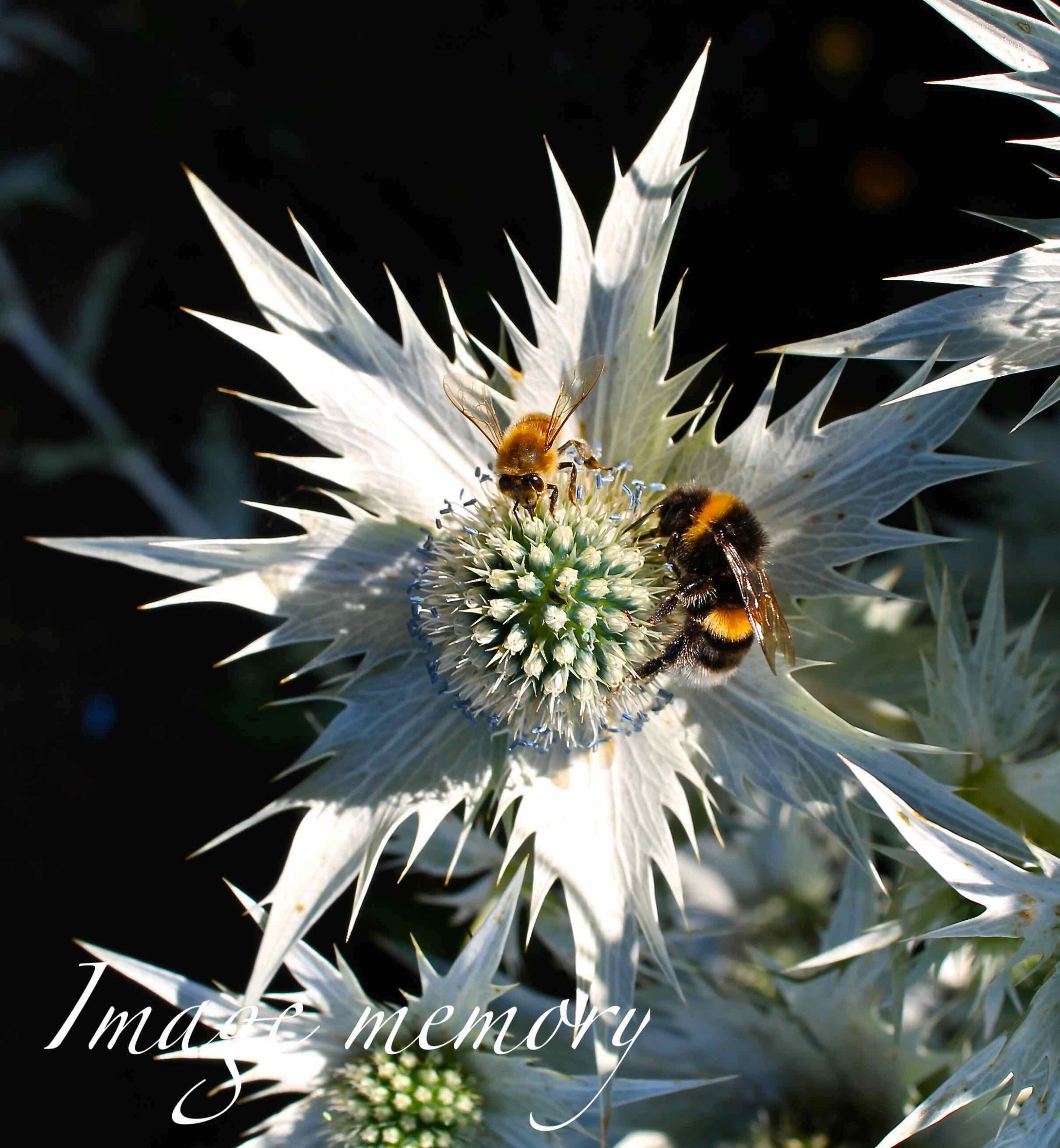
Bees are attracted to the flower’s bright colours, patterns on the petals and the aroma of sweet nectar. However, what is fascinating is the fact that discoveries from 1960s onwards show they are attracted by an electrical charge. (please click on: “Bees can sense the electrical field of flowers“) .?Flowers are negatively charged and bees are positively charged. Please see photo below showing bees feeding on eryngium giganteum or ‘Miss Willmott’s ghost’.

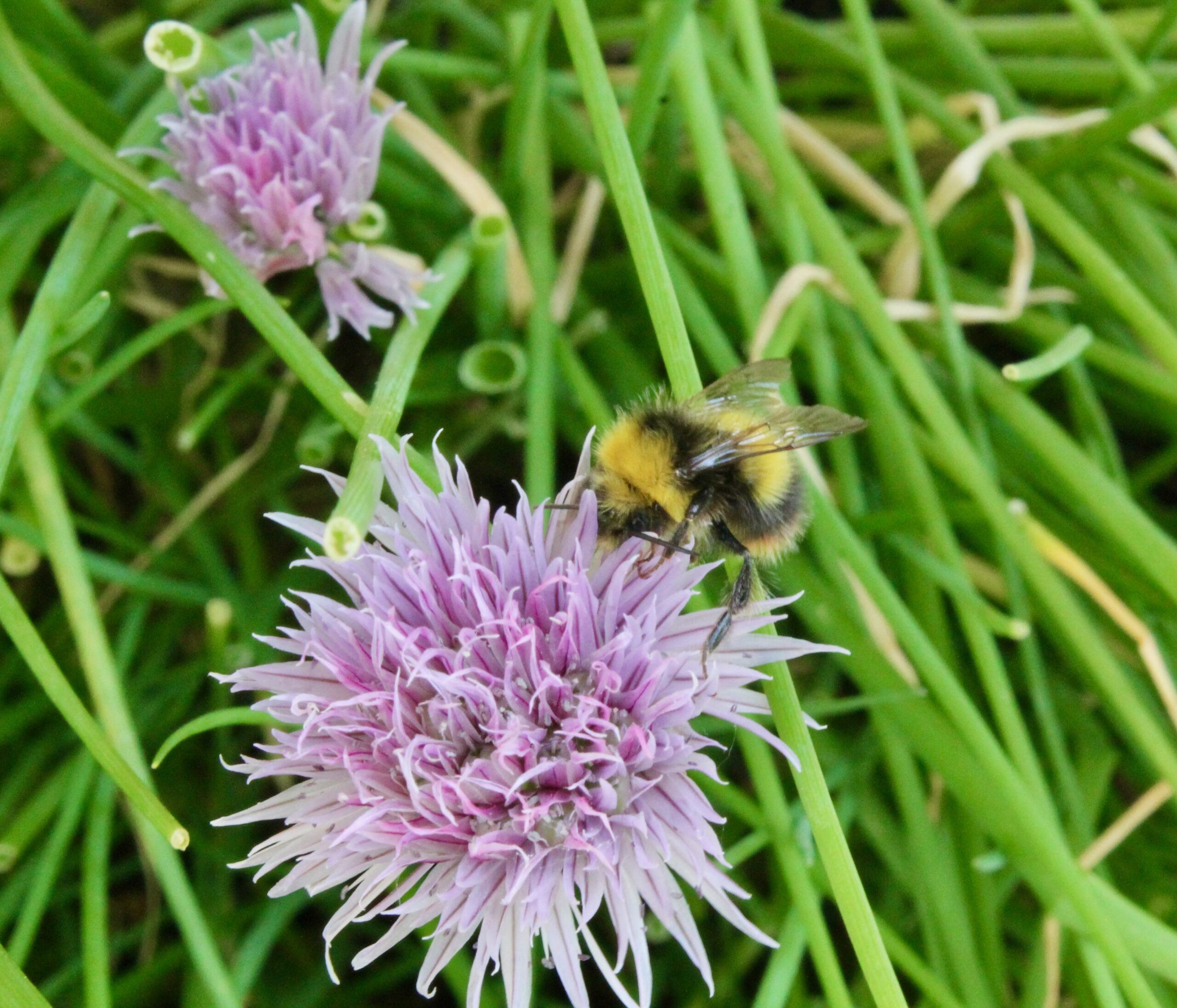
Bee on Chive flower

Bee on Chive flower

The electrical charges between the flower and the bees mean that the pollen can be seen to jump to the bees body, says Daniel Robert of the University of Bristol (please click on: University of Bristol).

In order to further interpret the electrical signals that bees are sensitive to, electrodes can be attached to the stems of flowers. These electrodes can be attached to speakers and the electrical pulse can be heard. This sound changes when the bee approaches as the bee has a different electrical signal. David Attenborough describes this intricately in the following video: Electric Charge on Flowers and Bees.


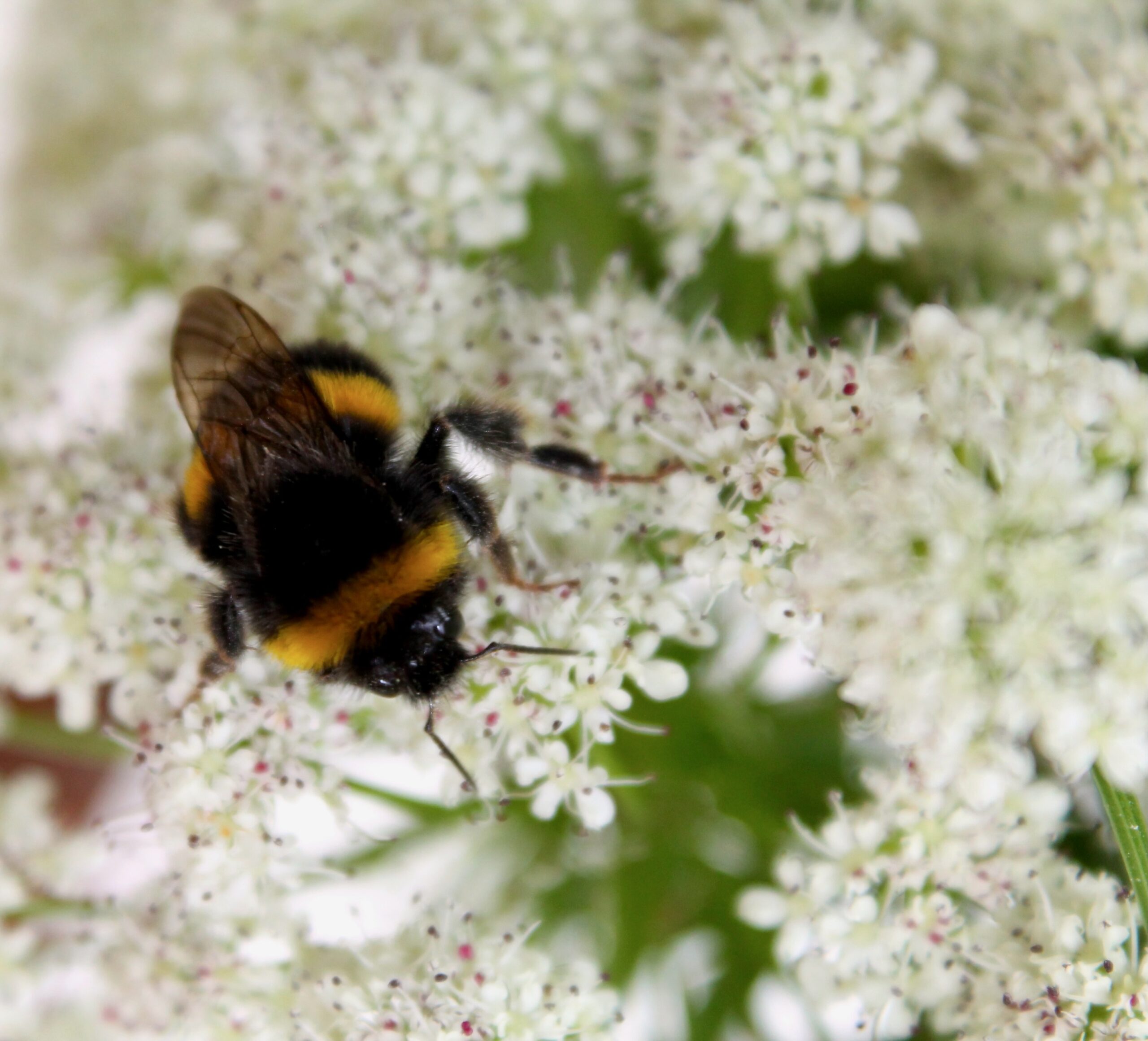
Bee on Cow Parsley

Bee on Cow Parsley

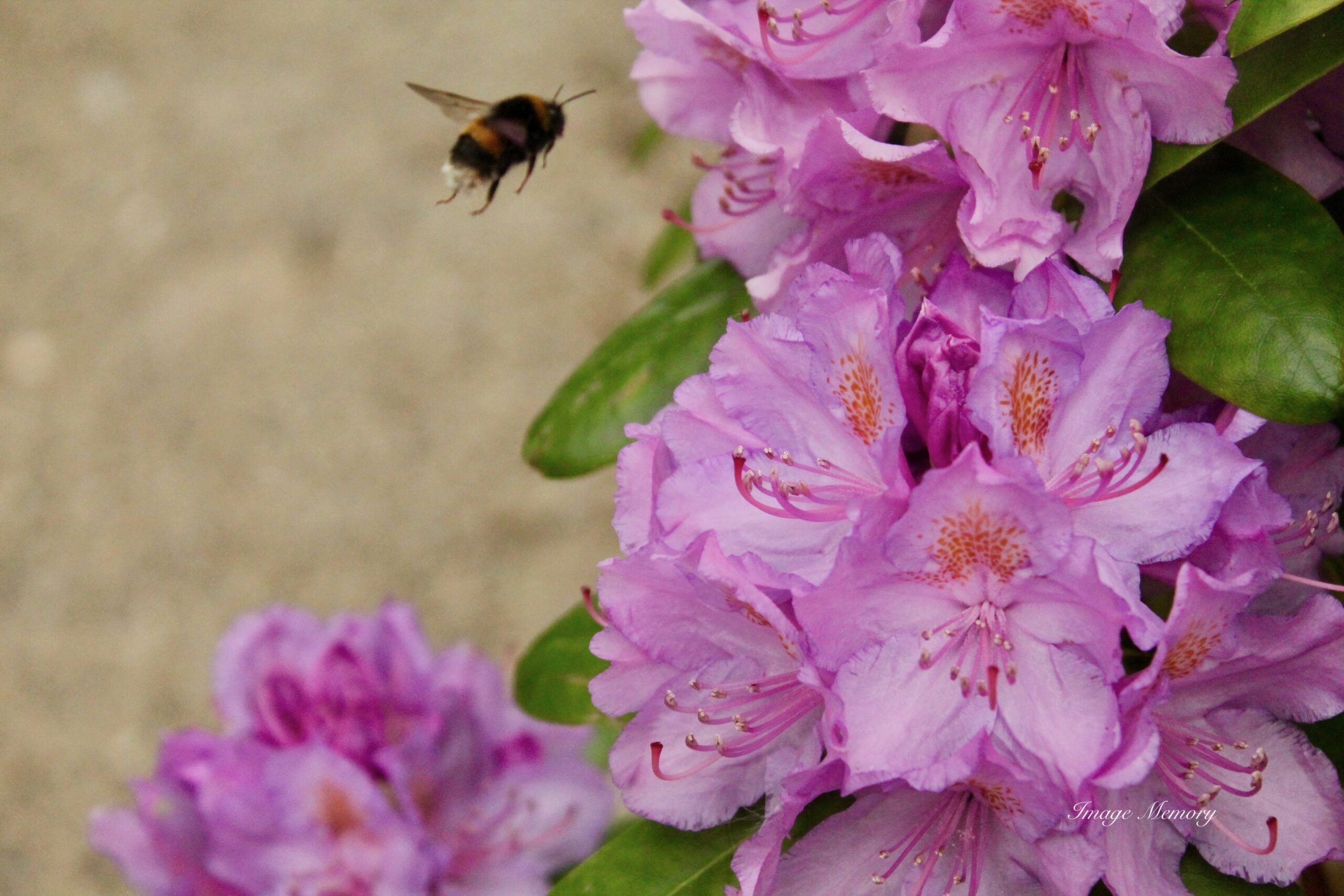
The reason that I photograph bees is because the real science of bee flight was not entirely clarified until the 1990s.?In addition to the circular motion of the wings and speed of rotation, an article in the New Scientist reveals that there are also “tiny tornado-like airflows that form on the leading edges of their wings, known as LEVs or leading edge vortices” (please click on: New Scientist).?Also, trying to obtain a bee’s photograph in flight is a challenge as they move so fast! Please see photo of bumble bee flying towards rhododendron bush below.
Bee flying towards a rhododendron bush

Bee flying towards a rhododendron bush

The Psychology of the Colour Pink: Meaning, Symbolism and Wellbeing

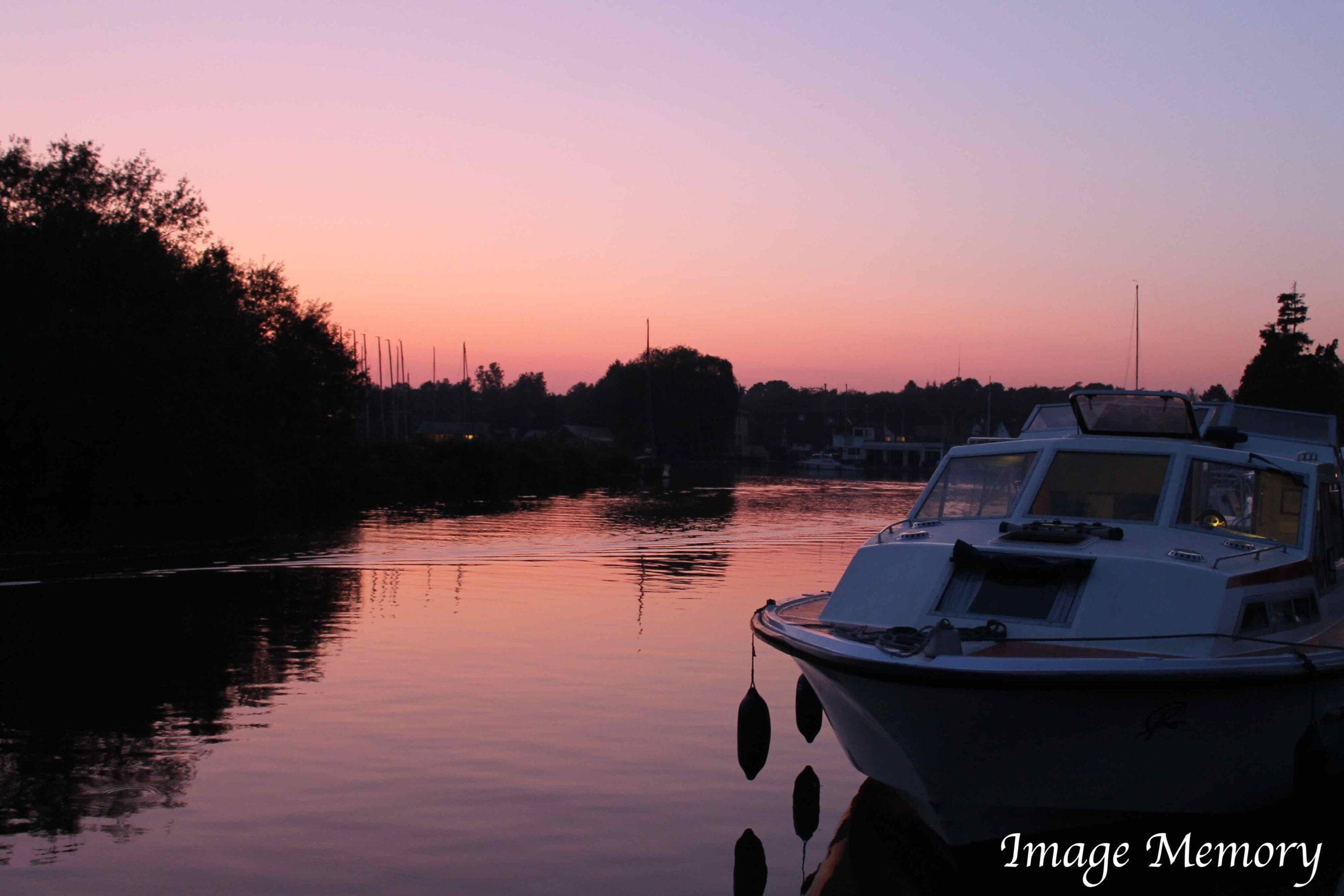
Pink Sky Reflection, The Norfolk Broads, Art Photograph, Hugo Richardson

Pink is a colour with a surprisingly deep and varied history. From ancient literature to global cultures, from religious symbolism to modern marketing, pink has carried meanings of love, innocence, power, luxury and even rebellion. This post explores the fascinating story of pink and the emotional impact it continues to have today.

Pink in Early Literature

In the 8th century BC, Homer’s Odyssey references pink as the rosy colour of dawn, “Then, when the child of morning, rosy-fingered dawn appeared…”
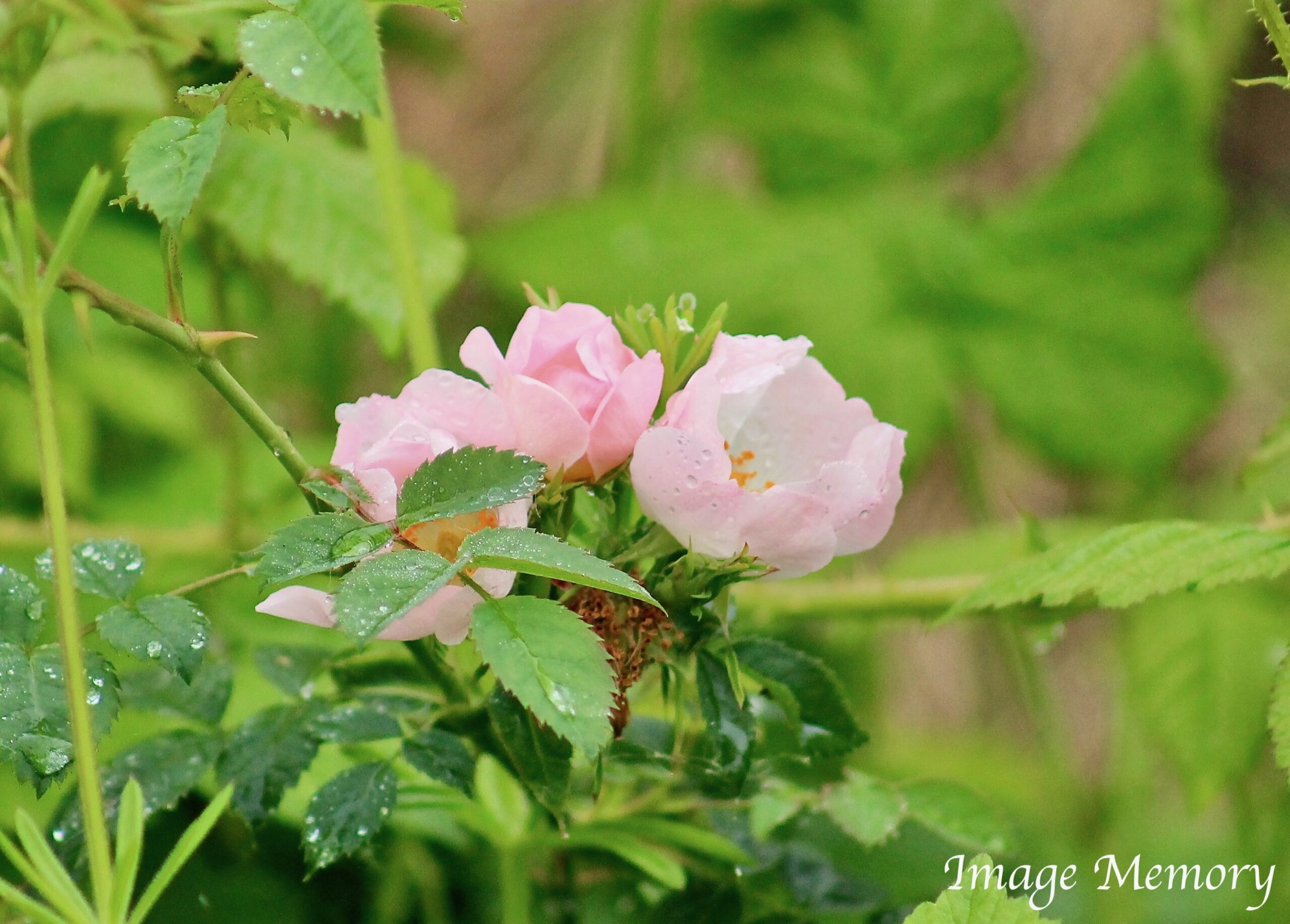
Wild Rose with Rain Drops, Art Photograph, Hugo Richardson

Suffolk Pink: A Colour With History

Suffolk Pink, seen on many historic buildings in the region, dates back to the 14th century. The colour was traditionally created by adding elderberries to limewash, though sloe berries, blackthorn and even ox blood were also used. These additions were believed to strengthen the protective qualities of the limewash.

The ‘Suffolk Pink’ colour is highly protected and regulated by local councils and English Heritage.  Marco Pierre White once painted The Angel in Lavenham a shade of ‘blancmange’ in 2013 that offended the locals and the council.  He was forced to repaint, only after the right shade of pink was agreed with English Heritage.

Pink in Religion and Symbolism

Biblically, pink is associated with being in right relationship with God. It symbolises the “Love of God,” combining the red of Christ’s blood with the purity of white. In some artworks, Jesus is shown wearing pink to evoke innocence and the womb.

Pink symbolises friendship, beauty, faithfulness, compassion, romance, love and sensitivity. Pink roses, for example, represent admiration, happiness and familial love.

How Pink Pigments Were Made

Light red eventually evolved into the colour term “pink.” Historically, pink pigments were produced by mixing alum and chrome mordant with brazilwood dye or with madder roots plant Rubia tinctorum.

Mixed with white, pink can also be made using red from the cochineal insect. Cochineal was cultivated commercially in Poland, Prussia, Saxony, Lithuania and the Ukraine in the 18th century.

The cochineal harvest started on the fifth hour (between eleven o’clock and noon) of St John the Baptist’s feast day on the 24th June, accompanied by religious ceremonies.  Some stories are hidden deep in language, in words we use daily, but the origins of which have been long forgotten.

Polish cochineal is also known as Polish lac and the cochineal insect is known in Polish as Czerw.  The female of the cochineal, in the late larva state, was collected and boiled in water with vinegar. They were then dried in the sun, or in ovens and ground with bread acid to produce a dye.

But as many as 155 thousand insects were required for 1kg of dye, pushing red textile prices through the roof.  Polish noblemen, monarchs and high clergy were the only people that could afford cloth dyed with cochineal, also known as Saint John’s blood.

The first flags and banners of the Kingdom of Poland show a white-crowned eagle on a red background, and the white and red flag represents Poland to this day.

From the 16th Century, Polish cochineal was predominantly replaced by cochineals from the New World.

Pink symbolises friendship, beauty, faithfulness, compassion, romance, love and sensitivity.

Pink roses, for example, symbolise love between family members, admiration and happiness.
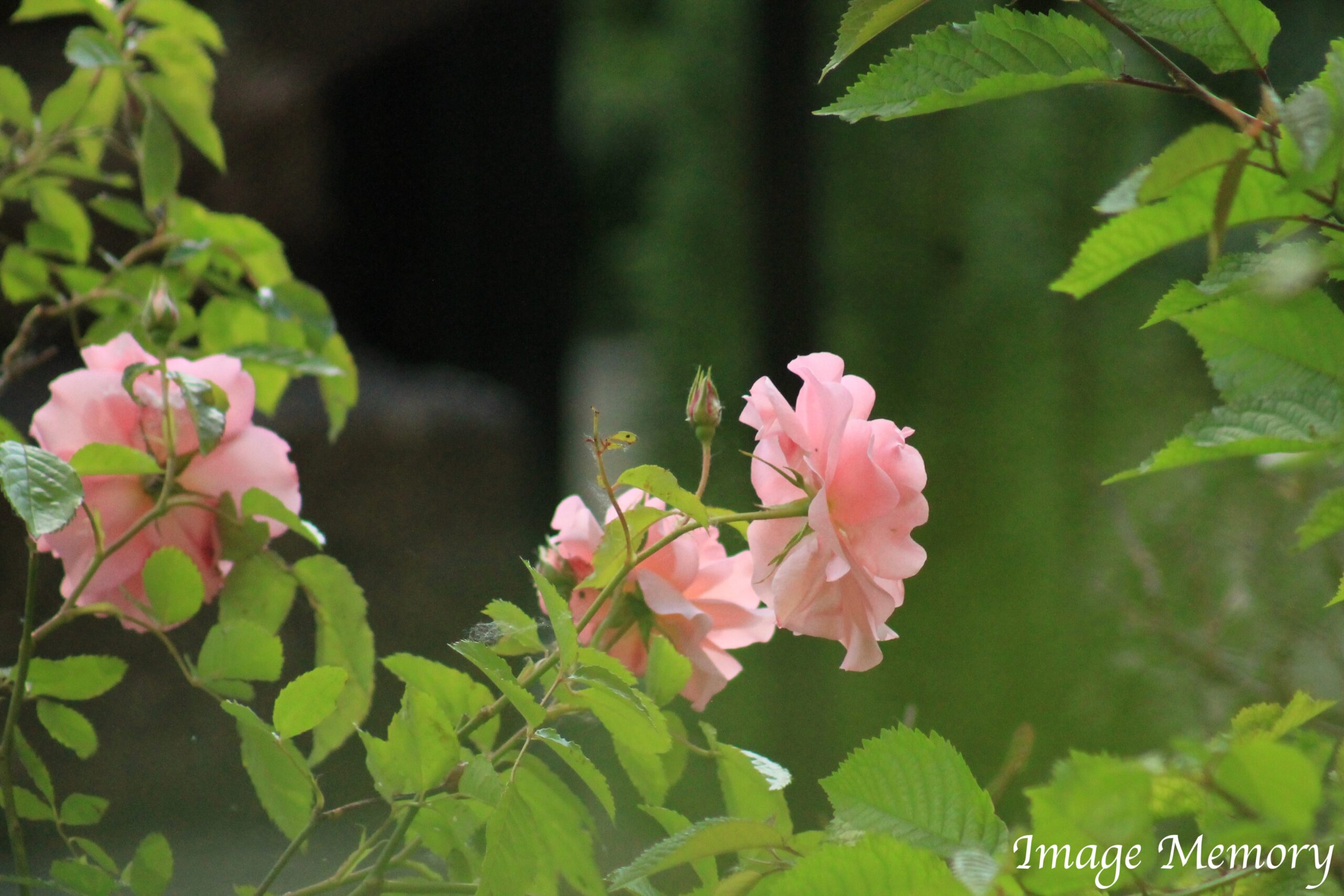
Pink Roses, Art Photograph, Hugo Richardson

Pink in Global Cultures

Pink carries different meanings around the world:

In Japan, the colour pink has a masculine association. The Sakura pink cherry trees that blossom in spring represent young warriors (Samurai) who fell in battle in the prime of their life.

Pink is a sign of trust in Korea.

In Latin America, it’s symbolic to architecture.

In India, Jaipur City is a tourist attraction.  It has forts, palaces, temples and bazaars which are predominantly pink.  The geography is often called ‘The Pink City’.

Pink in the Sky and Natural Light

Clouds often appear pink at certain times of day. This happens because sunlight scattered by clouds is also scattered by air molecules. Shorter?wavelength colours such as green and blue are scattered out of our direct line of sight more than red. The atmosphere preferentially scatters blue light toward us — a phenomenon known as airlight.

Airlight is responsible for the blue sky and contributes to the blue appearance of distant mountains, such as the Blue Mountains in Australia.  Because airlight is polarised, its intensity changes depending on the setting of a camera’s polarising filter. When reddened sunlight and scattered blue light combine, the result is the soft pink glow we often see in clouds.

It is responsible for the blue sky and partly for the blue colour of distant mountains  Airlight is polarised and so the intensity depends on the setting of the camera polarising filter.  The reddened light and blue light together produce the pink.
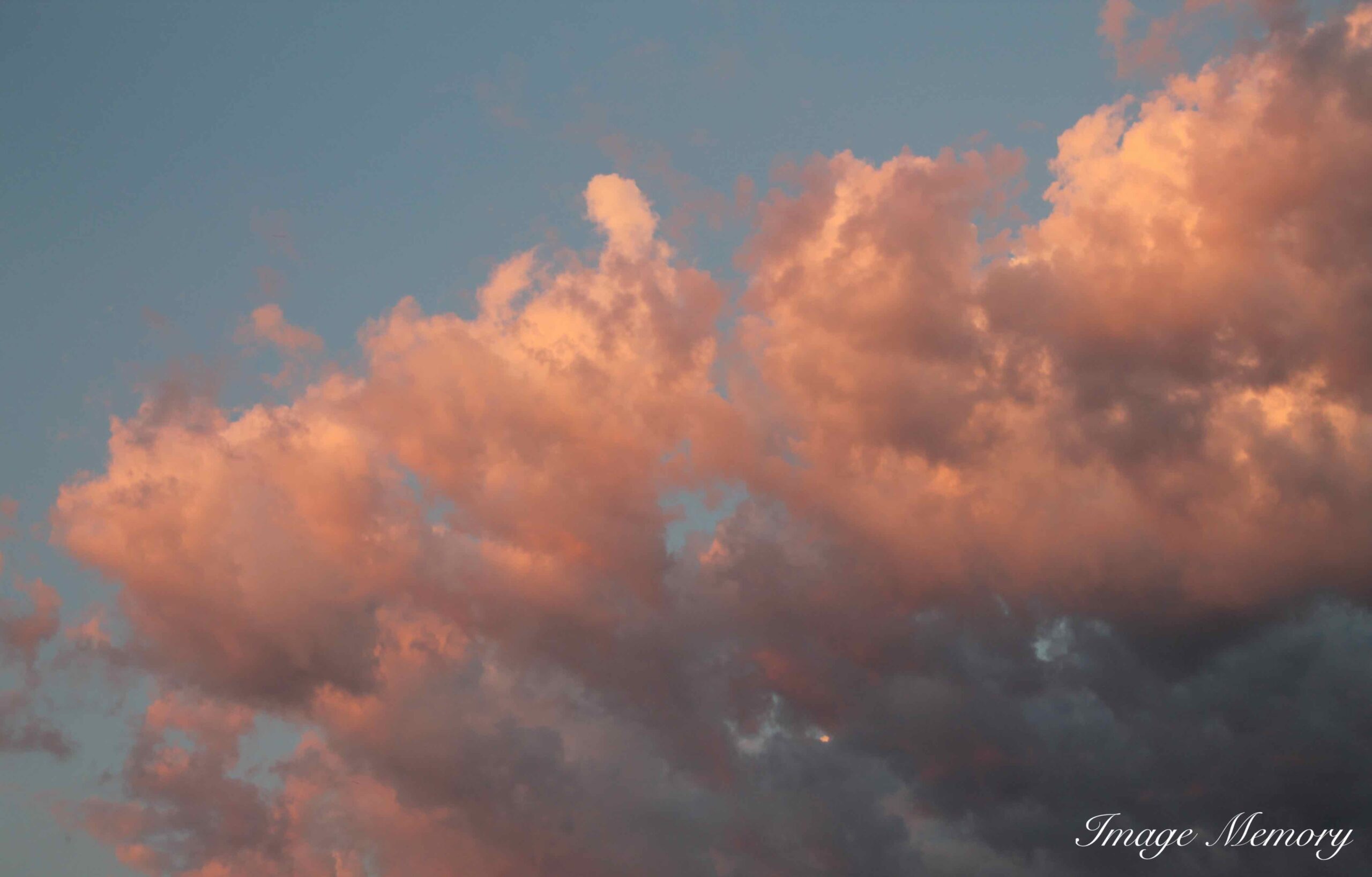
Pink Clouds, Art Photograph, Hugo Richardson

Pink in Maps and Empire

Traditionally, territories of the British Empire were coloured pink on maps. This was a practical compromise: red was the colour associated with the Empire, but printing colonies in red made place names difficult to read on globes and atlases. Pink provided a clearer, more legible alternative.

Pink as a Symbol of Luxury

In the West, Pink first became fashionable when European aristocrats, both men and women, wore a faint pink powdery variance as a symbol of luxury and class.

Pink in the Natural World

In the natural world, one of the most dramatic colours of pink can be found on the flamingo.  Their colour is as a result of the food that they eat which is mainly algae and brine shrimp.  The body of the flamingo metabolises the pigments which turn its feathers pink.
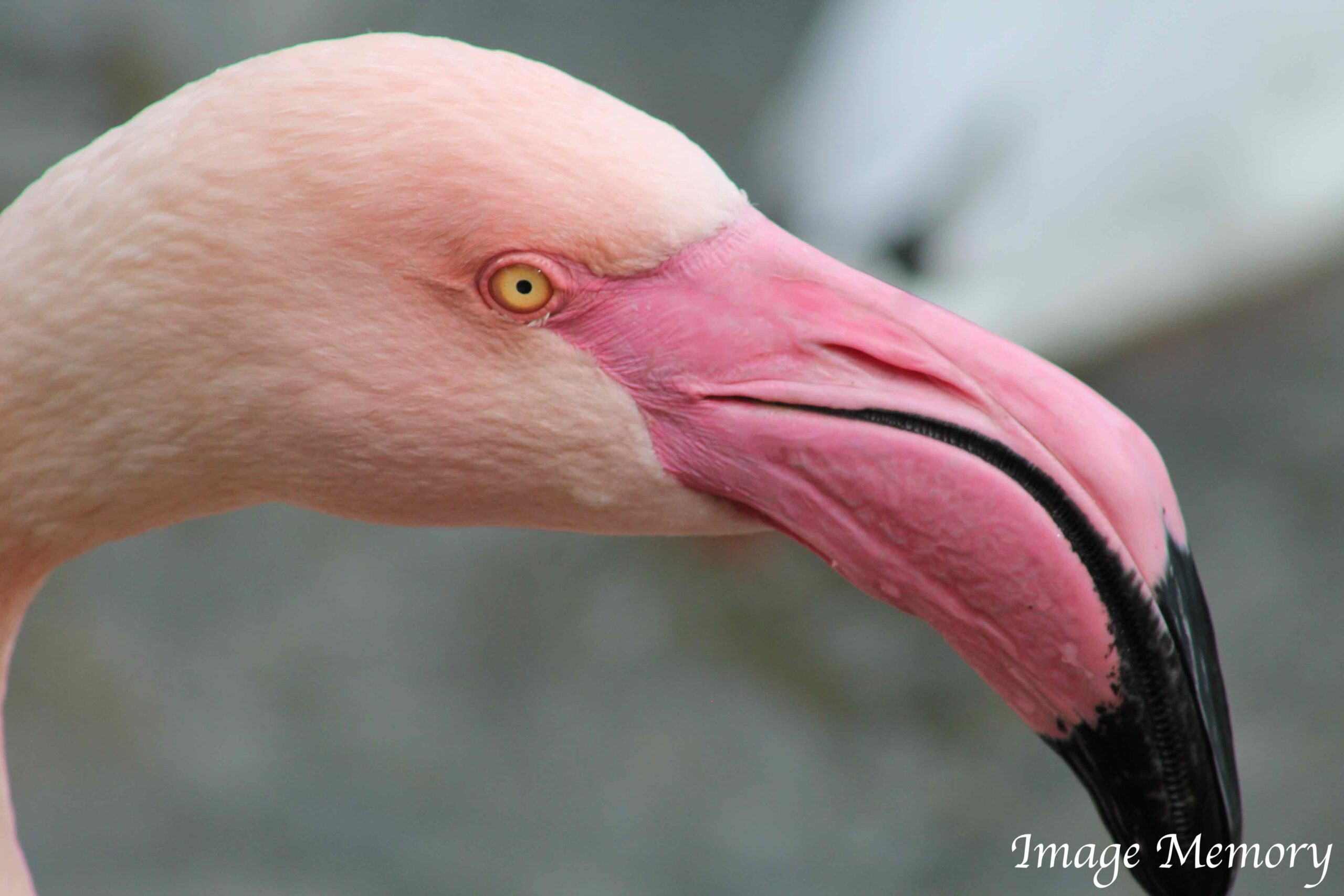
Flamingo, Art Image, Hugo Richardson

Pink in Psychology and Behaviour

In 1979 in the US, penitentiaries were painted pink as an experiment to reduce violence.  This type of pink is called ‘Baker-Miller’. The reason being that the experiment on the first correctional institution was directed by Baker and Miller.

The early research was found to be flawed.  While pink’s calming effect has been demonstrated, researchers of colour psychology have found the effect only occurs during the initial exposure to the colour.  When used in prison, the inmates often become even more agitated once they become accustomed to the colour.

Pink, Gender and Marketing

In the Western world today, pink is widely seen as feminine — .  Barbie pink for girls, blue for boys. But historically, this was not the case. Until the early 20th century, pink was considered a masculine colour, while blue was associated with femininity and the Virgin Mary.

This shifted in the 1940s when retailers realised they could increase sales by marketing colours to specific genders. By the 1950s, everything from toys to toothbrushes was colour?coded, cementing pink as “for girls” in popular culture.

The Rise of Rosé Wine

A very interesting marketing phenomenon has been the massive increase in the consumption of rose wine.  There are a number of reasons for this, some of which include the colour.

The ‘salmon’ shade of Rosé wine is generally the leader globally.  However, an apricot shade of rose wine is preferred by consumers in the Bordeaux region.

Global consumption of rose wine has increased by 30% in 15 years. In 2013 alone, the United States consumed 279.4 million litres (nearly 74 million gallons) of pink wine.

The increase of rose consumption appears to be based upon the attractively of its colour. Rosé is very popular with the millennial generation.  The pink is perfect for Instagram posts and influencers like Angelina Jolie and Brad Pitt, who own the award-winning producing Chateau Miraval has also helped.

Here are all the reasons, following some research on the web:

  • Rosé production quality has increased
  • Rosé has a lower propensity for producing a hangover compared to other wines
  • More and more women are looking for lightness and freshness
  • Rosé is being promoted by celebrities
  • It looks good on social media
  • There is a wide range of sweet to dry options
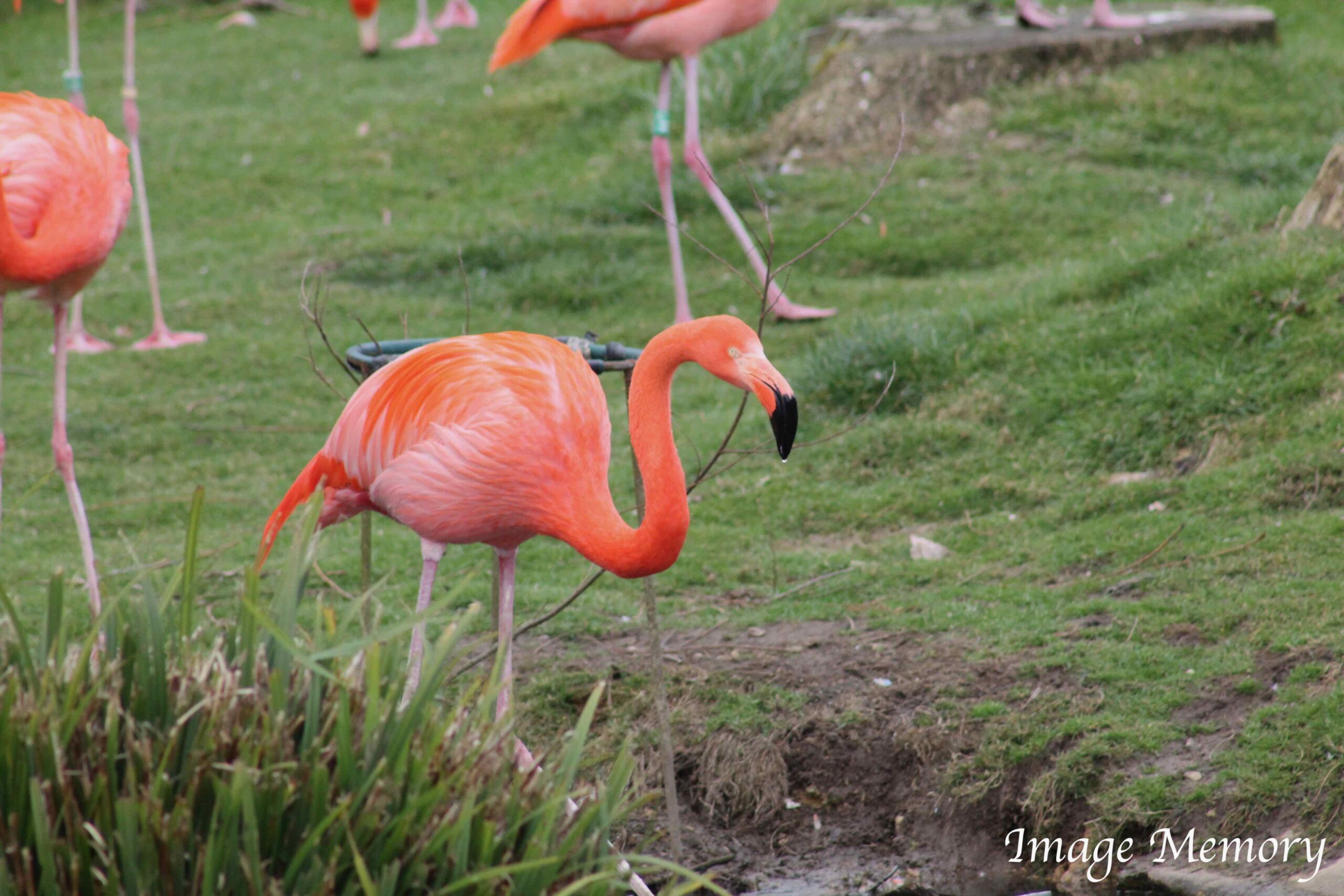
Flamingos, Art Image, Hugo Richardson

Please feel free to communicate with me about the ‘blogs’ we publish.

Email: hugo.richardson@image-memory.com

Tel.:     07476 343 777
The Psychology of the Colour Green: Meaning, Symbolism and Wellbeing


Oasis, Art Photograph, Hugo Richardson

Green symbolises life, fertility, and renewal. It is widely recognised as a calming colour, often helping people feel at ease in unfamiliar environments.

God said, “Let the earth grow green with vegetation, plants yielding seed and trees bearing fruit, each according to its kind.” And it was so.  The earth turned green with vegetation, plants yielded seeds and trees bore fruit, each according to its kind. And God saw that it was good. There was evening and there was morning; it was the third day.  Genesis 1:11-13

Lake Wood, Northumberland, Art Photograph, Hugo Richardson

Interior designers frequently use green in public spaces, restaurants, and hotels because it creates a sense of calm and connection to nature.  

Buildeo is an interior design company with clients that include Holiday Inn, Hilton and Formby Hall Golf Resort recommends green?based palettes for hotel lobbies.

Green, combined with elements such as fountains, waterfalls, or unusual plants, can evoke peace and tranquillity in a space for customer.

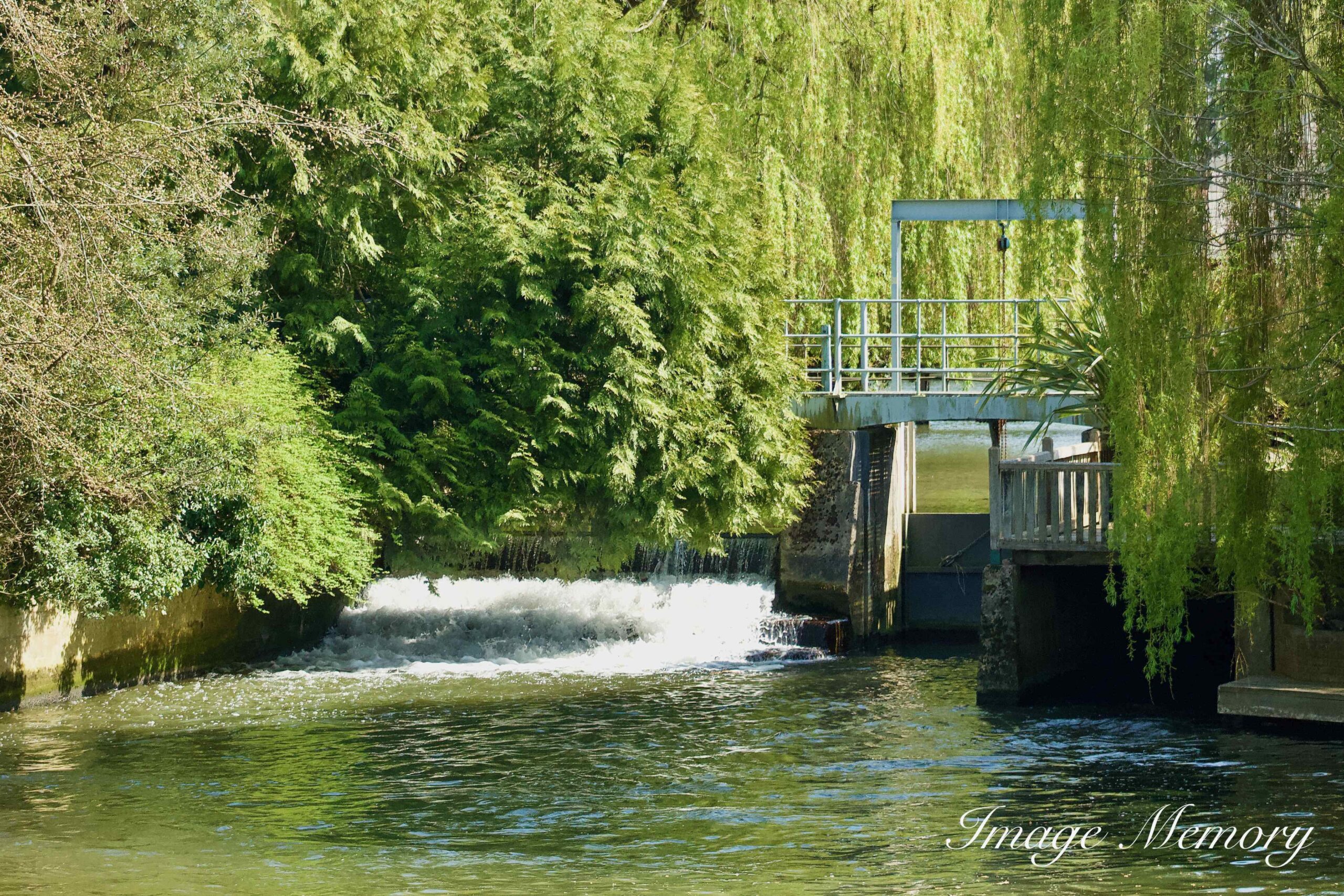
Thames Sluice, Henley-on-Thames, Art Photograph, Hugo Richardson

The Chelsea Flower Show featured strong themes of water and greenery, particularly in the ‘Ecotherapy Garden’ .

By contrast, yellow and red (as explored in earlier posts) stimulate energy and appetite which is why brands like KFC, McDonalds and Burger King use the yellow and red pallet.

Green has a long and layered history. It is created by mixing blue and yellow, and in some languages the same word is used for both green and blue.

In Ancient Egypt, green symbolised regeneration and rebirth. Artists ground malachite — a copper mineral — to create green pigment. Although beautiful, malachite darkened over time as it oxidised.

Malachite was used by the Ancient Egyptians for tomb decoration, but this fell out of use over time as it oxidised and went black over time.

The Ancient Romans produced green pigment by soaking copper plates in wine, creating verdigris, the green patina seen on aged metal.

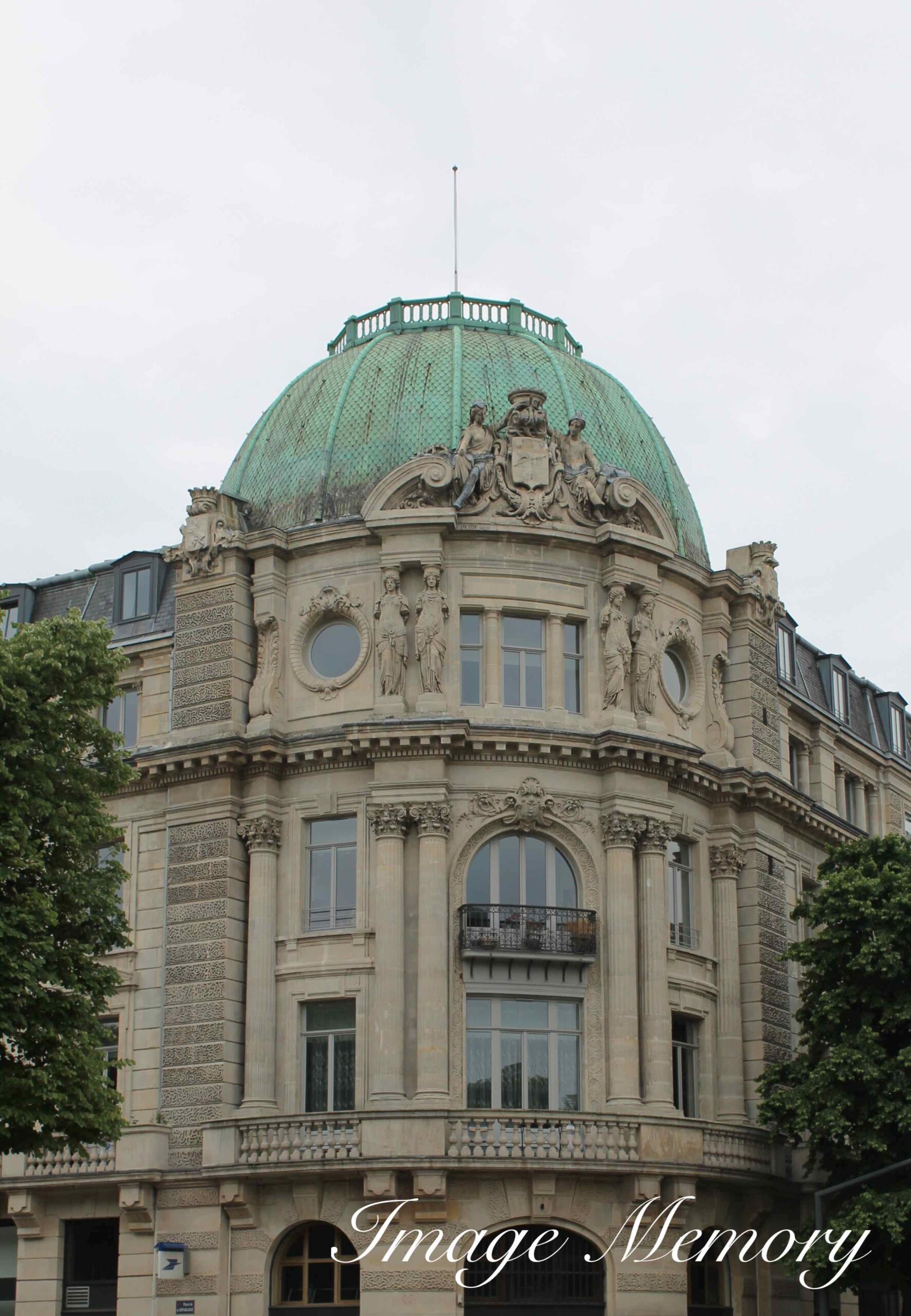
Place de la Republique, Lille, France, Art Photograph, Hugo Richardson

Verdigris was used for mosaics and painting.  This technique for green production was used through the medieval period where monks would use this pigment to paint scenes in illuminated manuscripts.

During the Renaissance, plants began to be used to make paint.  However, the pigment from plants faded quickly.

Green is often associated with the Islamic religion, but this idea was only developed in the 12th Century.  In the Quran green is mentioned eight times, always in a positive sense, as a colour of vegetation, spring and paradise.

Michel Pastoureau, described as a ‘historian born in colour’, and a master of medieval images, symbols and colour has written about this. A leading historian of colour, writes extensively about this in Green: The History of a Colour. He notes that green became a unifying and sacred colour for Muslims during the 1100s.That is why many copies of the Quran from the Middle Ages had green bindings, as they do today.

Michel Pastoureau has written a full book titled ‘Green – The History of a Colour – translated from the French by Jody Gladding.

Similarly, a great number of religious dignitaries wear green clothing. Muslims believe green is a “symbolism associated with paradise, happiness, riches, water, the sky and hope”.

In 1775, Swedish chemist Carl Wilhelm Scheele created a vivid green pigment using arsenite — beautiful but highly toxic. It was used in wallpaper, clothing, toys, and art, and is believed to have contributed to Napoleon’s ill health during exile. The wallpaper in the room where he was exiled contained Scheele’s green.

More positively, green is restful, soothing, cheerful and health giving.  Green is thought to relieve stress and help heal.  Those who have a green work environment experience fewer stomach aches.

Green landscape photography — available in a range of sizes — can bring these calming qualities into a room. Please feel free to contact me if you’d like help selecting images for your professional space at Image Memory.

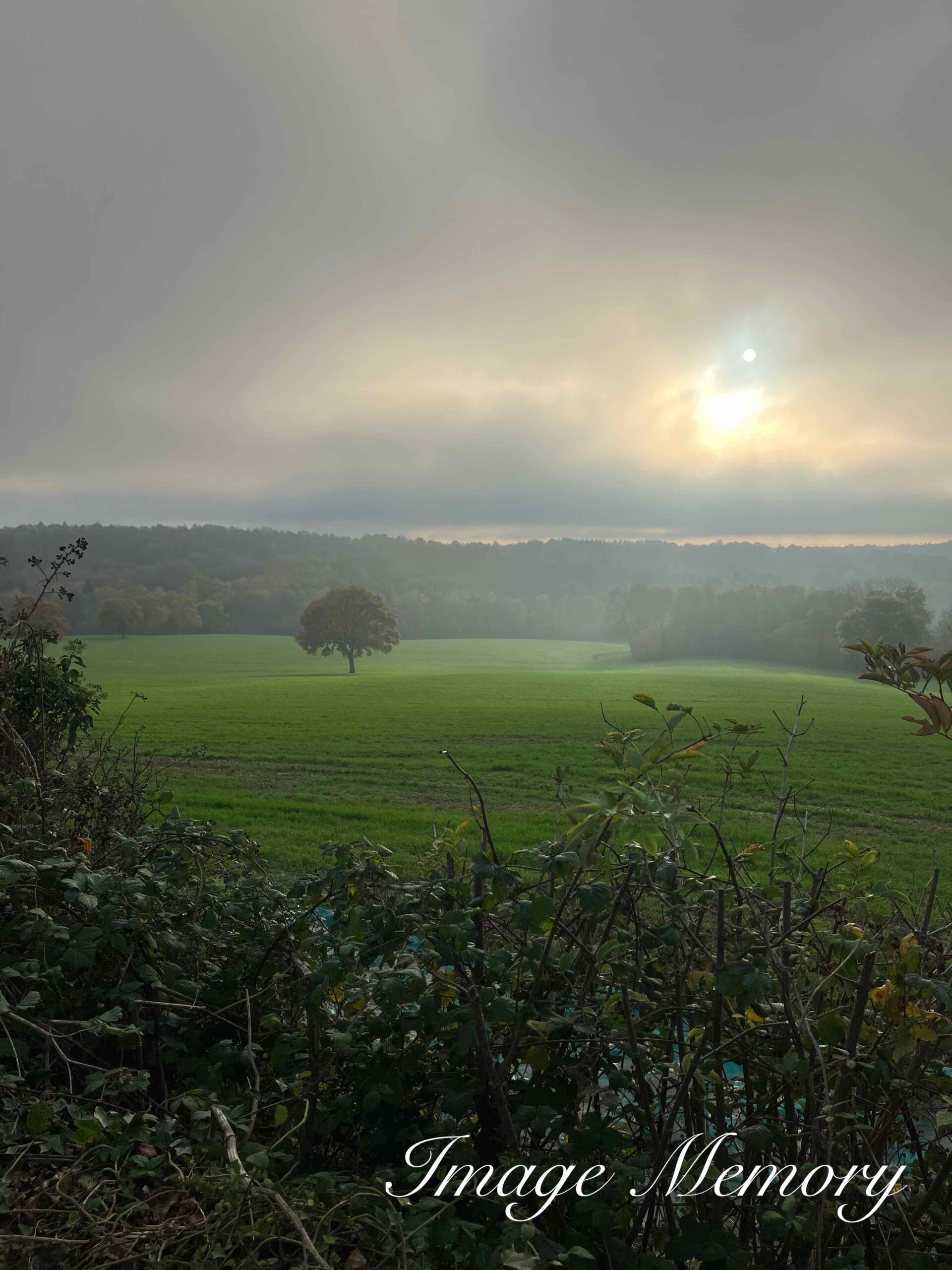
Landscape, Goudhurst, Kent, Art Photograph, Hugo Richardson

Green is the colour of balance and harmony and can, therefore, be helpful in times of stress.

So many of us are exposed to the glare of electronic screens on a daily basis. Prolonged use of computers have been noted as having an aggravating impact on tinnitus.

Many of us spend long hours in front of electronic screens, which can aggravate conditions such as tinnitus. Research indicates that exposure to green environments may lower blood pressure and heart rate, supporting recovery and relaxation. If you click on this text area, you will see evidence that green stimulates recovery and relaxation and has a positive impact upon mental health.

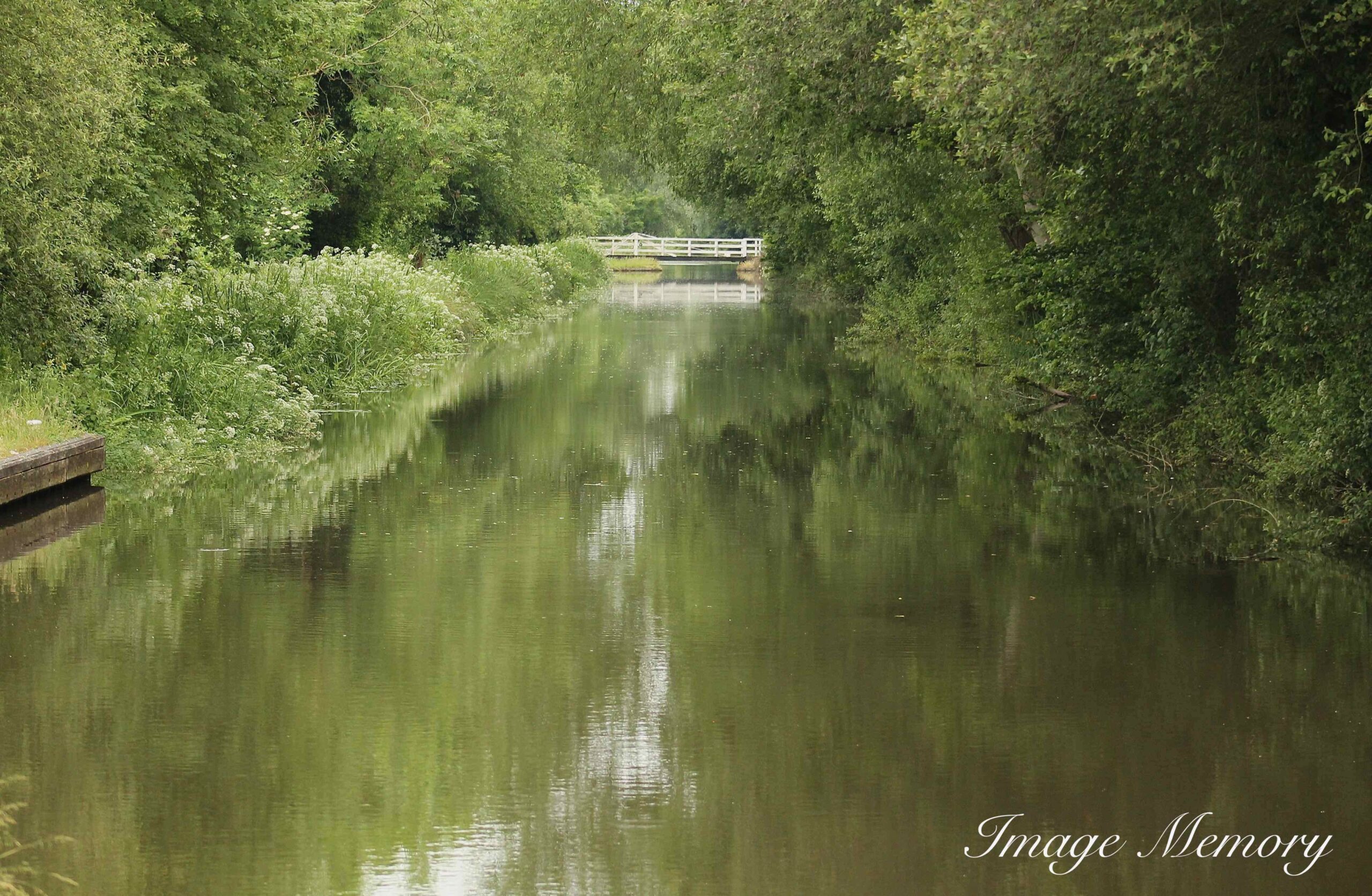
Sulhampstead Cattle Bridge, Kennet Canal, Art Photograph, Hugo Richardson

Colour-chakra theory from Hindu scriptures adds green; strengthens bones and muscles, disinfects bacteria and virus, and relieves tension; used to treat malaria, back problems and blood pressure.

Goldstein asserts “under the influence of green (as with blue) light, time is likely to be underestimated.”  “Also, weights will be judged lighter.”

Theale Lagoon, Theale, Art Photograph, Hugo Richardson

Negative associations:

Boredom, stagnation, envy, blandness, enervation, sickness

 Positive Associations : (source: Envato Pty. Ltd.)

Health, hope, freshness, nature, growth, prosperity

hugo.richardson@image-memory.com

Tel.: 07476 343 777
Next week in the Psychology of Colour series – Pink

The Psychology of Colour – YELLOW

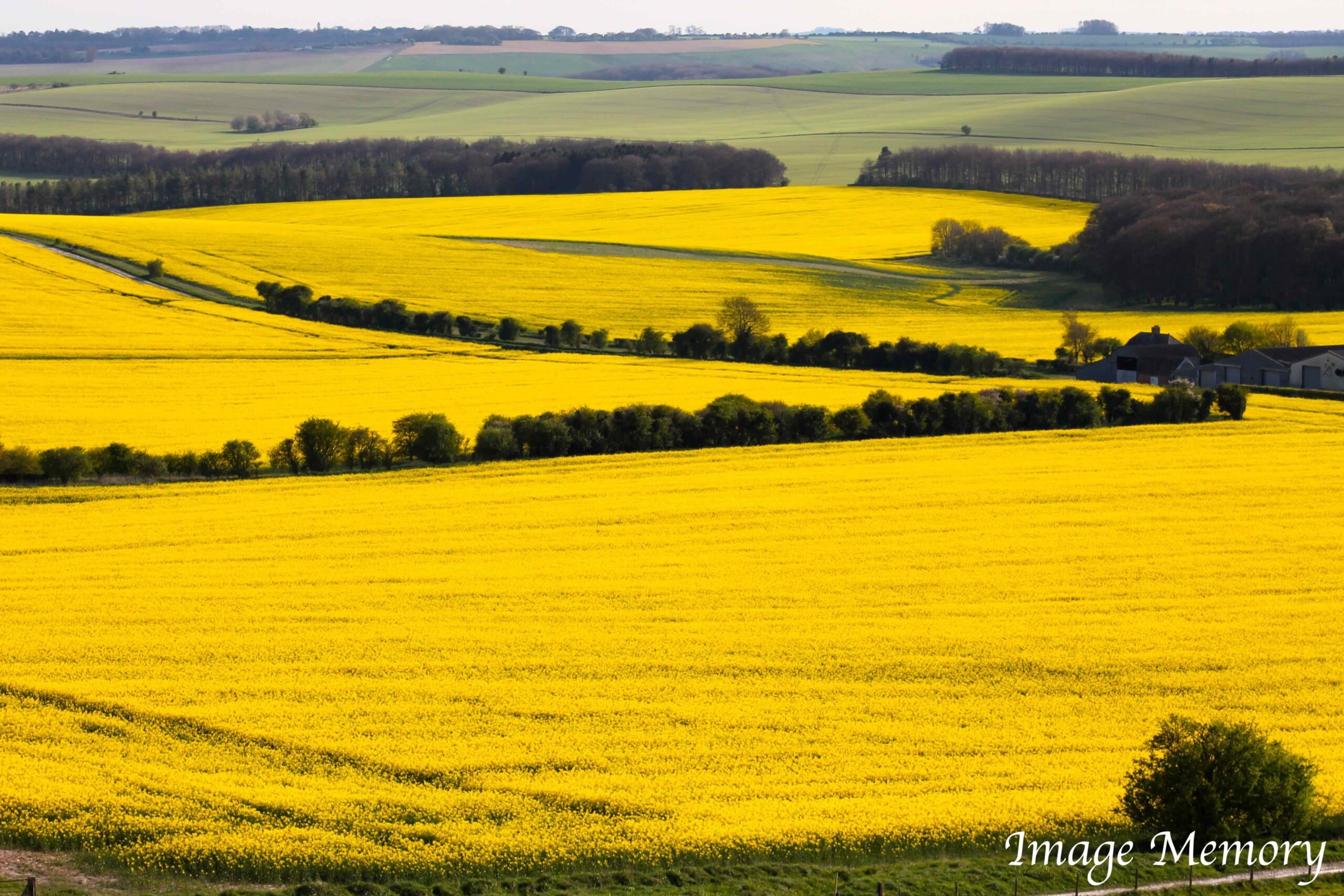
Fields of Yellow from the Prehistoric Hill of the Uffington White Horse

Coldplay’s song ‘Yellow’ is about “Brightness, hope and devotion”, according to Chris Martin their lead singer.  He felt it reflected the mood of the band.  The lyric “I swam across, I jumped across for you” encompassed the devotion that the band members had for each other, the lyric supports a group motivational force.

So, ‘Yellow’ is regarded as a bright, happy, warm colour – ‘Mr Happy’ is coloured yellow, for example, as is ‘Mr Brave’.

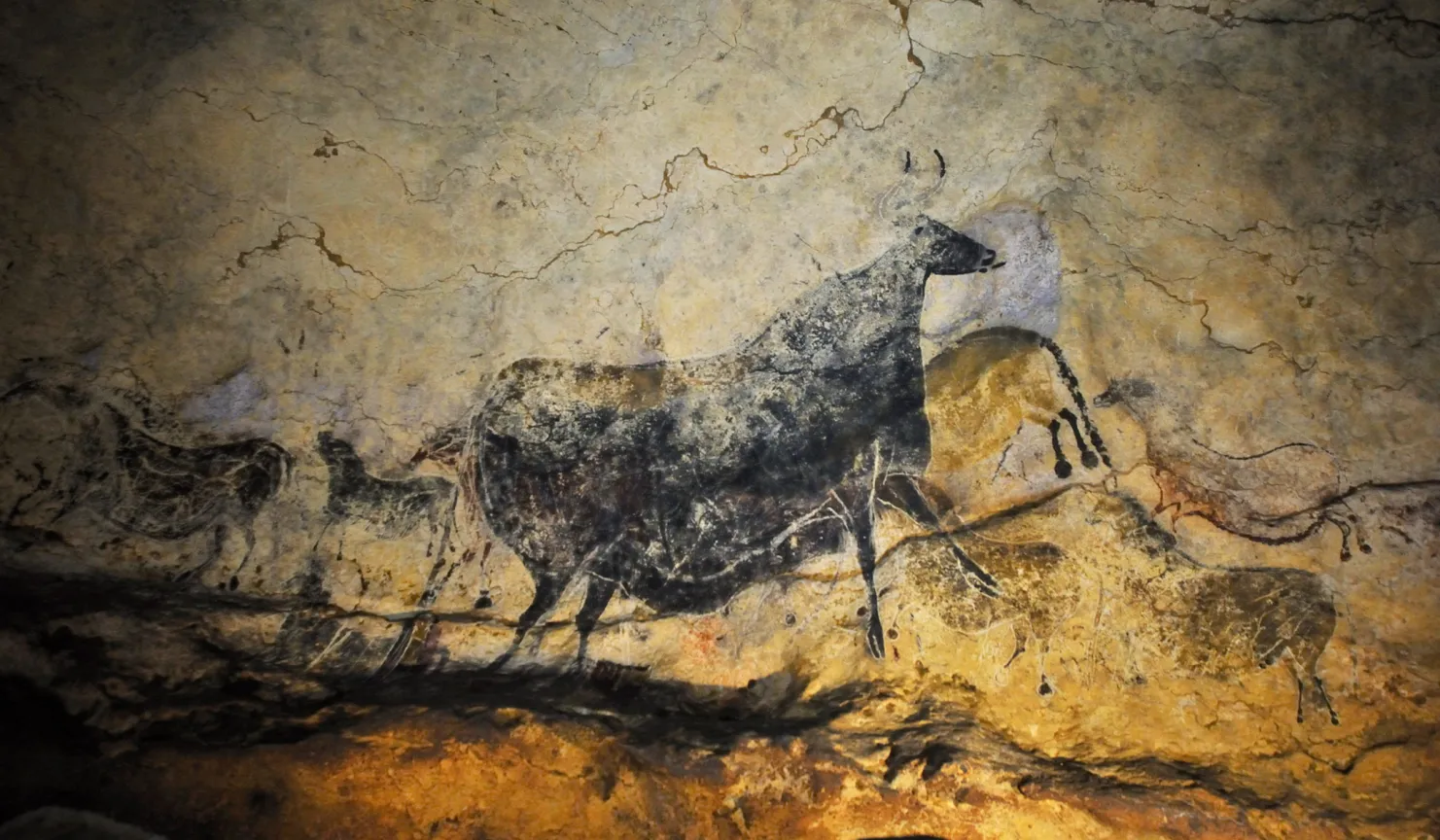
As a pigment, yellow has been used in painting since the beginning of time.  Animals depicted in the caves of Lascaux in Southwestern France were painted yellow by Cro-Magnon artists in about 23,000 BC.

The word for the colour comes from geolu, Old English, meaning yellow or yellowish.

The yellow sun is worshipped by many cultures, with a quality recognised as being imperishable, eternal and indestructible.  In Egyptian art, anything portrayed in yellow usually held this connotation.

Our sun is four and a half billion years old and essential for growing our food.  Stars, like our sun, burn for 10 billion years so our sun is about half-way through its life.

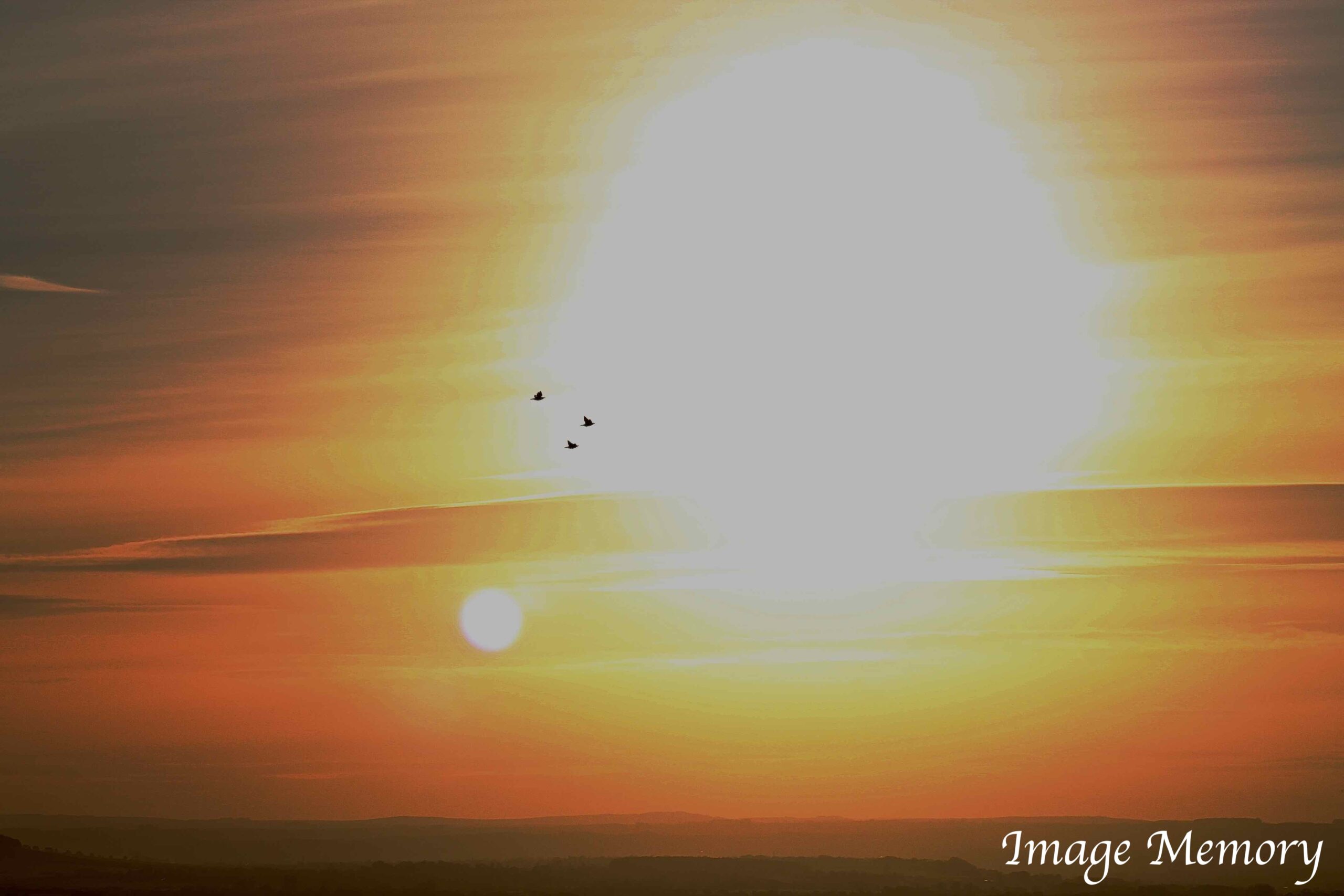
Late evening sun, Vale of Pewsey

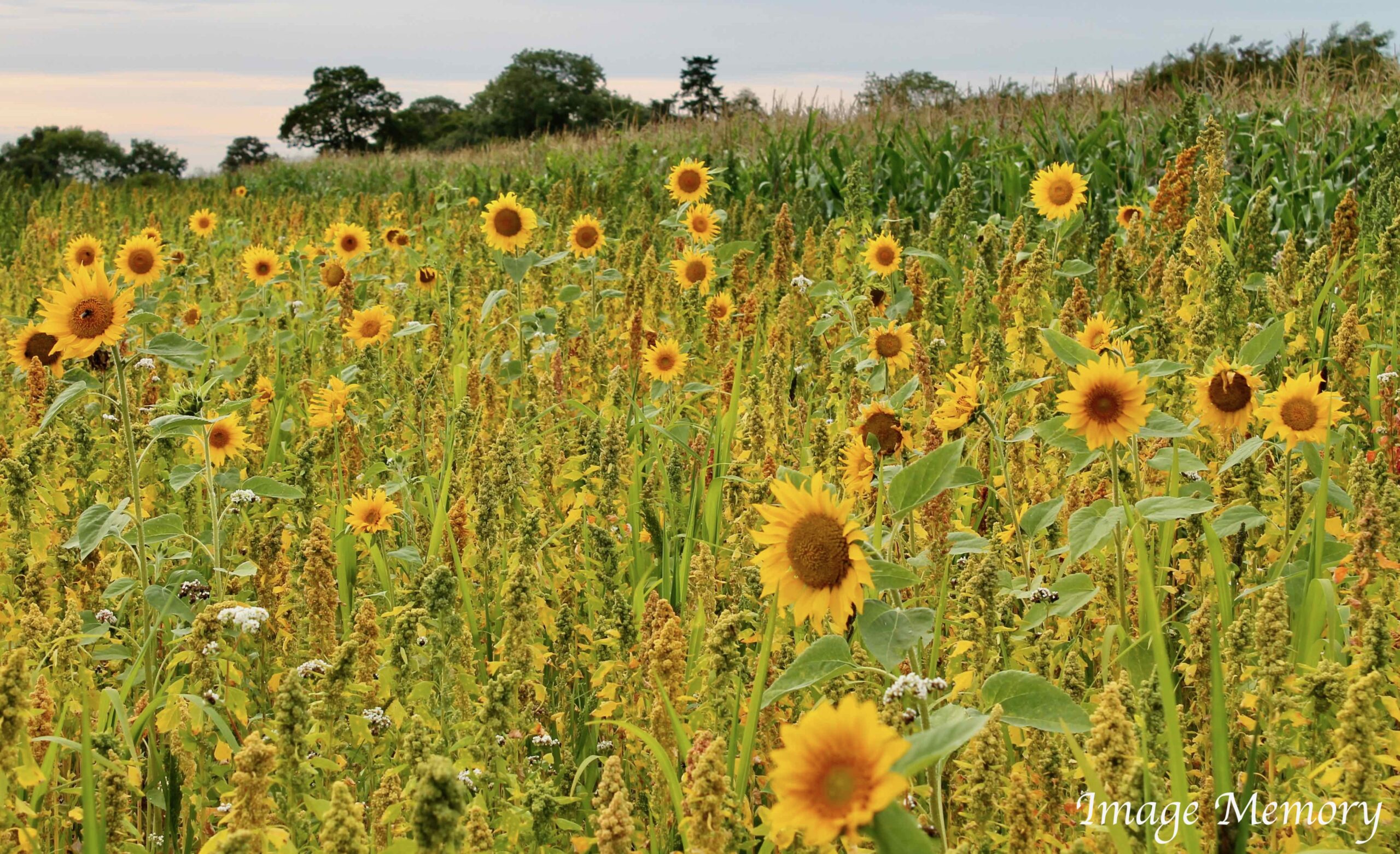
Some plants and flowers follow the light of the sun.  In the movie, Calendar Girls, the sunflower is mentioned.  As soon as the sun rises, if there is no cloud, the sunflower lifts its head to face the light.

In a newly-published article in Science, researchers say the young plant’s sun-tracking system (called heliotropism) can be explained by circadian rhythms – the behavioural changes tied to an internal clock that we humans also have, which follow a roughly 24-hour cycle.

Sunflower field, Halstead, Essex

But how does the colour yellow affect your mood?

On the colour wheel, yellow is placed between orange and very light green.  These warm colours are found to induce warmth, happiness and optimism.

When children are given a spectrum of coloured pens or crayons, they are more likely to pick the yellow colours.

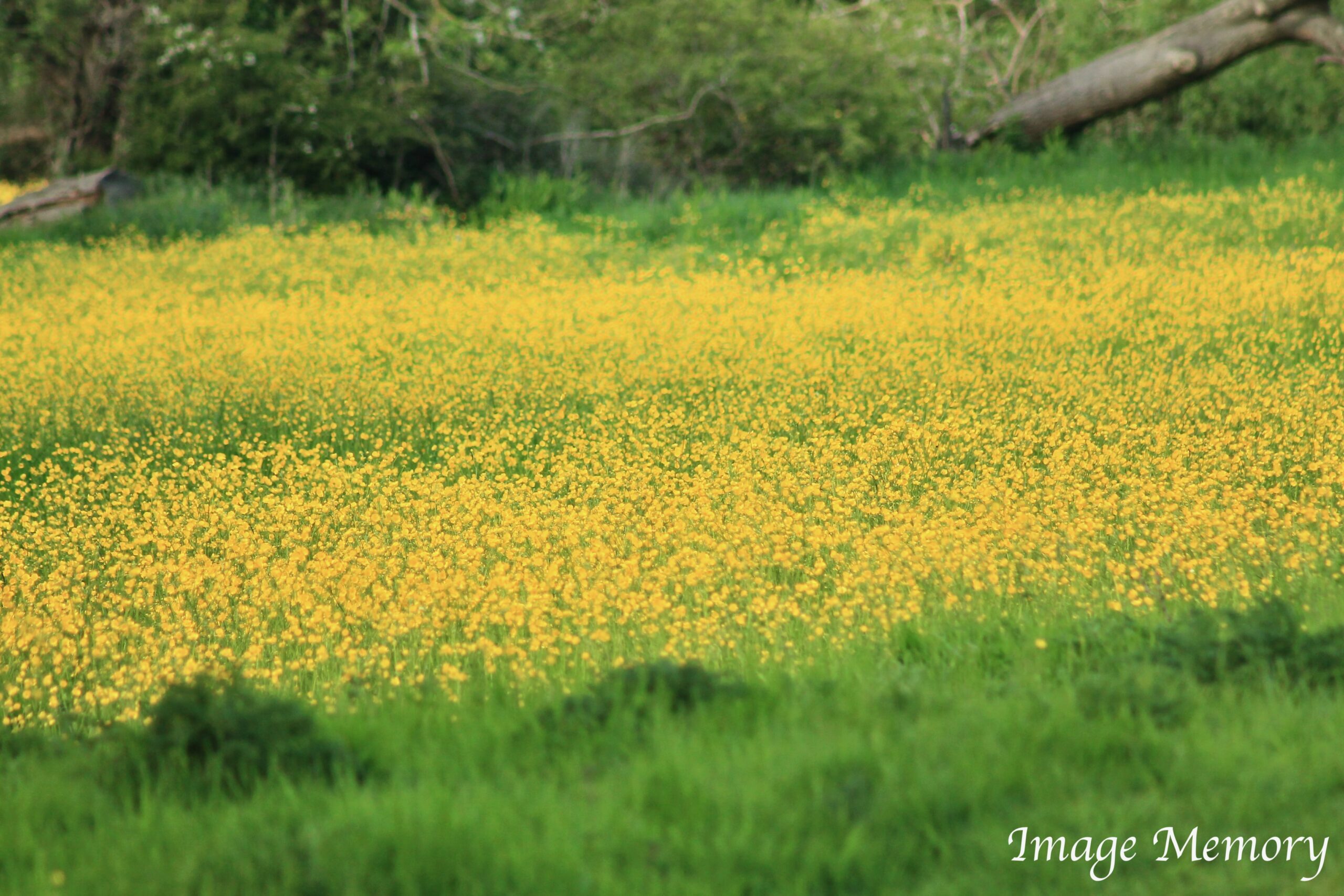
Buttercup Meadow, Flood Plain of the Kennet Canal

In studies made by retailers Carrefour and Finfare, yellow labels were used to depict a price reduced basic range of food items. Yellow was felt to be the best colour for this and ‘Reduced’ items in all supermarkets, with short use-by dates are usually marked with a yellow sticker.

Leatrice Eiseman in her book ‘Color: Messages and Meanings’ states that psychologically, yellow is the strongest colour.  Yellow has been in use since the 19th Century to signify optimism and hope.

The symbol of a yellow ribbon became widely known in the 1970s as a reminder that an absent loved one, either in the military or in jail, would be welcomed home on their return journey.

During the Vietnam War, in October 1971, newspaper columnist Pete Hamill wrote an article in the New York Post called ‘Going Home’.

In it, he told a variant of the story, in which college students on a bus trip to the beaches of Fort Lauderdale make friends with an ex-convict who is watching for a yellow handkerchief on a roadside oak in Brunswick, Georgia.

L Russell Brown and Irwin Levine picked up on the tale and wrote the song ‘Tie a Yellow Ribbon Round the Ole Oak Tree’, which reached No. 1 in the charts in 10 countries in 1973.

According to the world expert on the unconscious effects of colour, Angela Wright in her book ‘Beginners Guide to Color Psycholgy’, yellow is associated with self-esteem, emotions and creativity.

Yellow aids the release of the chemical Serotonin in the brain, which acts as a mood stabiliser, also known as a happy chemical. Hence the use of yellow on smiley badges, Harvey Ball’s hottest selling image of the 1970-71 era.

This smiley face became the predecessor to emojis.  Shigetaka Kurita created the first 180 emoji collection for a Japanese mobile web platform in 1998 and the concept spread quickly.

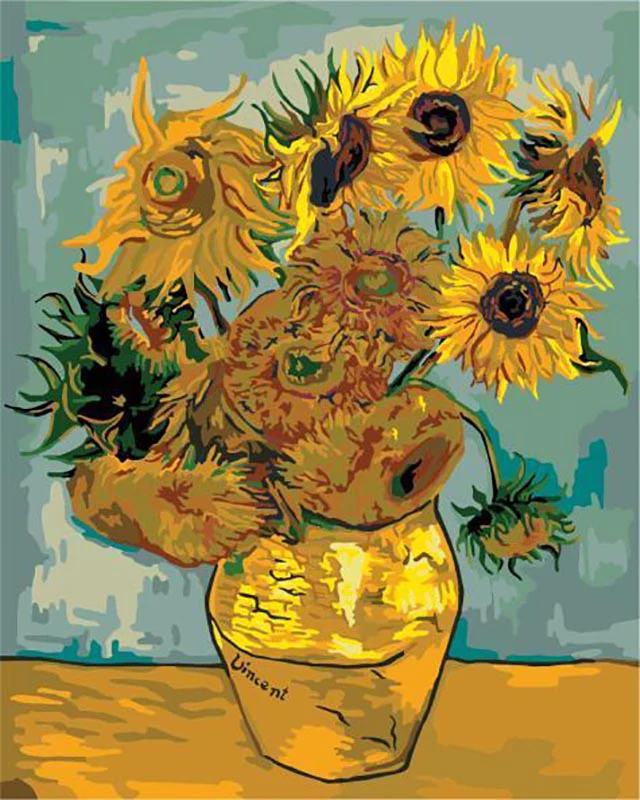
Vincent van Gogh used yellow extensively in his art.

Vincent van Gogh, Sunflowers

On the 27 May 1888, Vincent van Gogh agreed to contribute towards the costs of having the house on Place Lamartine in Arles repainted inside and out.

The Yellow House, previously dilapidated, became visibly much fresher and brighter than that of the twin, left hand side of the structure, occupied by a grocer’s shop. He paid half of the bill of 10 francs on 10 June.

The effects of yellow on the brain include:

  • Strong analytical thinking
  • Increased levels of mental activity
  • Heightened sense of awareness
  • Increased levels of enthusiasm and energy
  • Increased rate of metabolic activity

Yellow is an attention-grabbing colour, so it is used extensively in advertising and also on traffic signs.

Black with yellow on wasps and bees signal two things to predators.  Either the insect is equipped with a toxic bite or sting or it tastes particularly unpleasant.


To Bee or not to Bee, Greeting Card by Hugo Richardson (no branding on the front cover, available for sale at Wellington Farm Shop )   

Greeting cards also available at Doodles Cards, Gifts and Balloons, 96 High Street, Crowthorne, the No. 96 Shop, Northbrook Street Newbury and 10a School Road, Reading,    H F Newberry Cards and Gifts, Twyford, Yateley Post Office, Harpton Parade, Yateley and Reading Museum

Next Week – Psychology of Colour – Green

The Psychology of Colour – Red / Vermilion

Summer

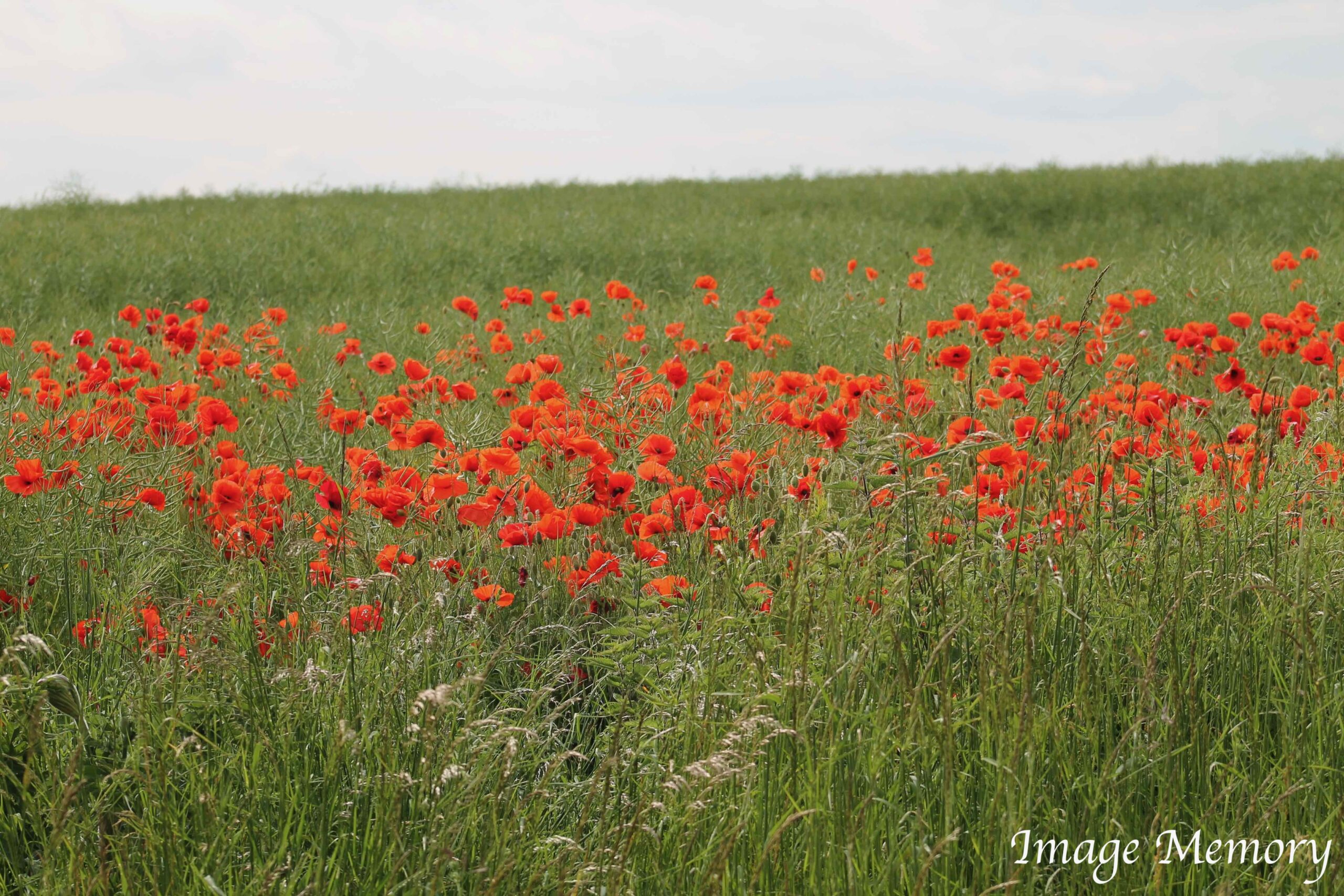
Red exudes warmth and, like no other colour, radiates a strong and powerful energy that motivates us to take action.  It is used effectively as a warning colour on road signs and as the ‘stop’ light for traffic lights. Red lights also show car users when the driver in front is braking.

In medieval times, artists would use a mixture of sulphur and mercury, heated to very high temperatures, to produce red pigment.  Known as vermilion, red was also produced from cinnabar.

Cinnabar ore contains mercury.  The ore is toxic. Many miners lost their lives whilst mining the mineral as, when it is ingested, inhaled or comes in contact with the skin, it can lead to mercury poisoning.  This toxicity can lead to neurological damage, kidney problems and respiratory issues.

From the end of the 19th century a less harmful alternative to cinnabar was found, cadmium.  Today vermillion is made from modern, harmless and stable pigments.

Love

Associations with the colour red include physical energy, passion, attention, stimulation and excitement.

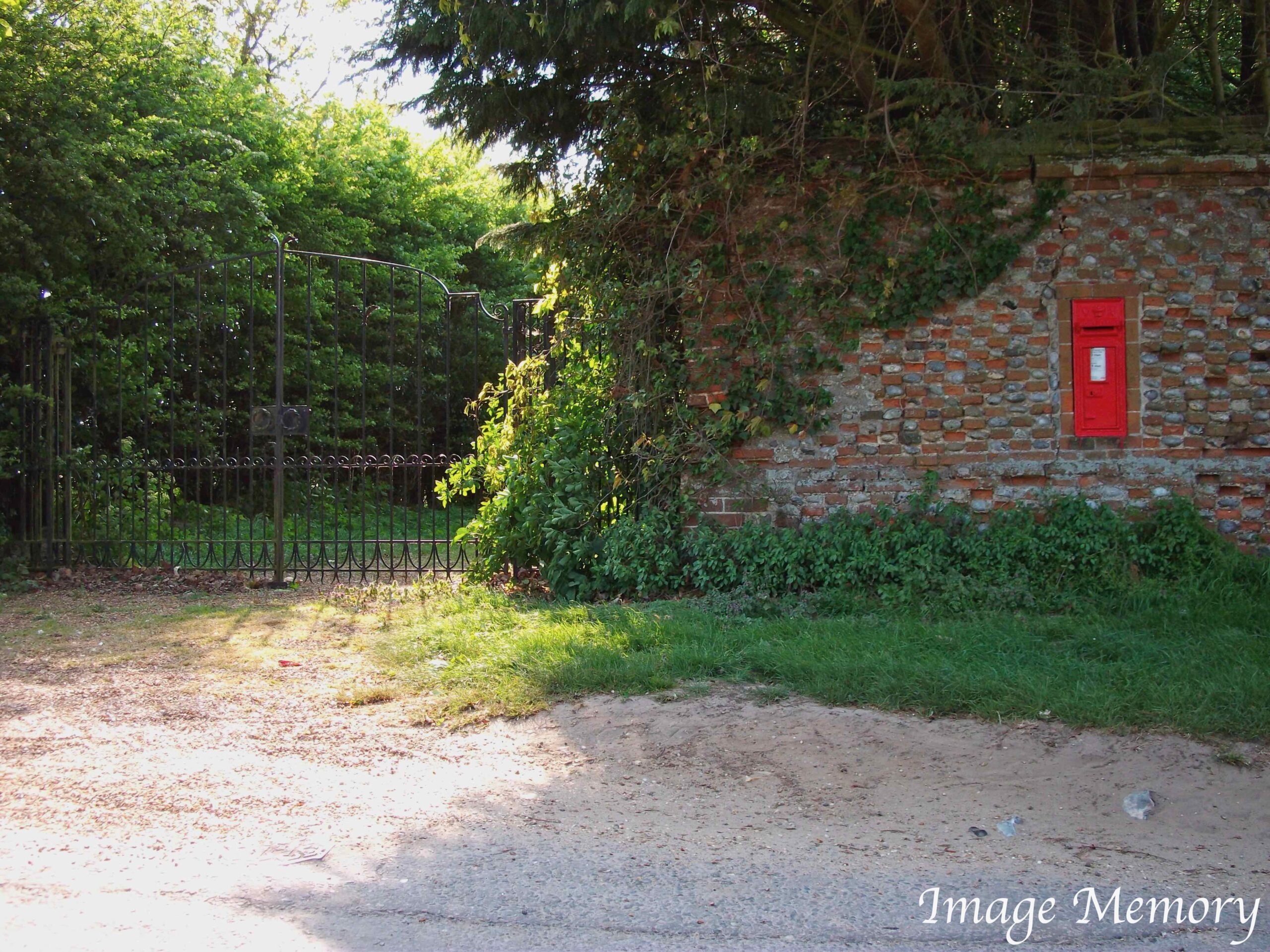
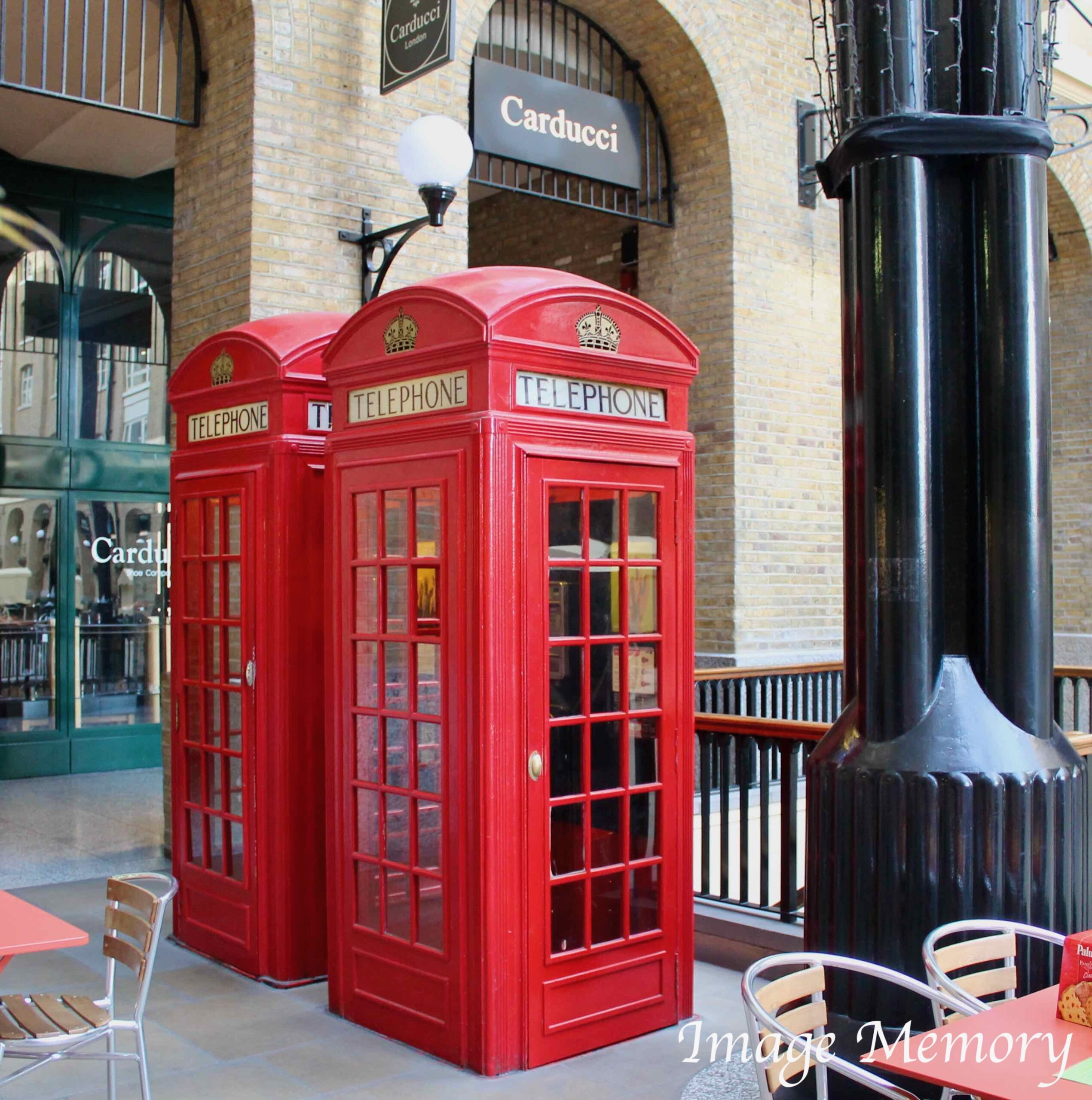
In the UK, pillar boxes are painted red and the original telephone booths were coloured red.

Red is also the colour of blood and has historical connotations with sacrifice, danger and courage.

In Roman times, on the battlefield, Roman soldiers wore a red tunic under their armour to represent blood and strength.  The compact line of the Roman infantry, dressed in red, had a psychological impact on the enemy, which perceived it as strong and valiant.

It is also the colour of war, Mars.  Roman soldiers and gladiators were both adorned in red.

In some accounts, Caesar’s face was painted red.  This was perhaps as an imitation of Rome’s highest and most powerful god, Jupiter.

China also has a love of the colour red.  Throughout the Ming dynasty (1368-1644) red was used as a signal of strength and power. The dynasty was founded in the south and the ruling family’s name, Zhu, means vermillion.

Red is the luckiest colour in Chinese culture.  It symbolises joy, vitality, celebration, success and good fortune.  It is used for weddings and for the Chinese New Year.

The colour red also has a capacity for arousal.  Red stimulates the physical and adrenalin.  It raises blood pressure, the heart and respiration.  The colour also evokes strong emotions and is considered intense and even angry.

Red is believed to sensitise the taste buds and sense of smell, thereby increasing appetite.  All this occurs because the heart rate instinctively quickens, which causes the release of adrenalin in the blood stream raising blood pressure and stimulating the nerves.

The colour red, in Hindu scriptures, activates the circulation system and benefits the five senses.   It is used to treat colds, paralysis, anaemia, ailments of the blood stream and lungs.

Goldstein asserts “under the influence of red light, time is likely to be overestimated”.

From a ‘brand’ perspective, it is easy to recall when red is used.

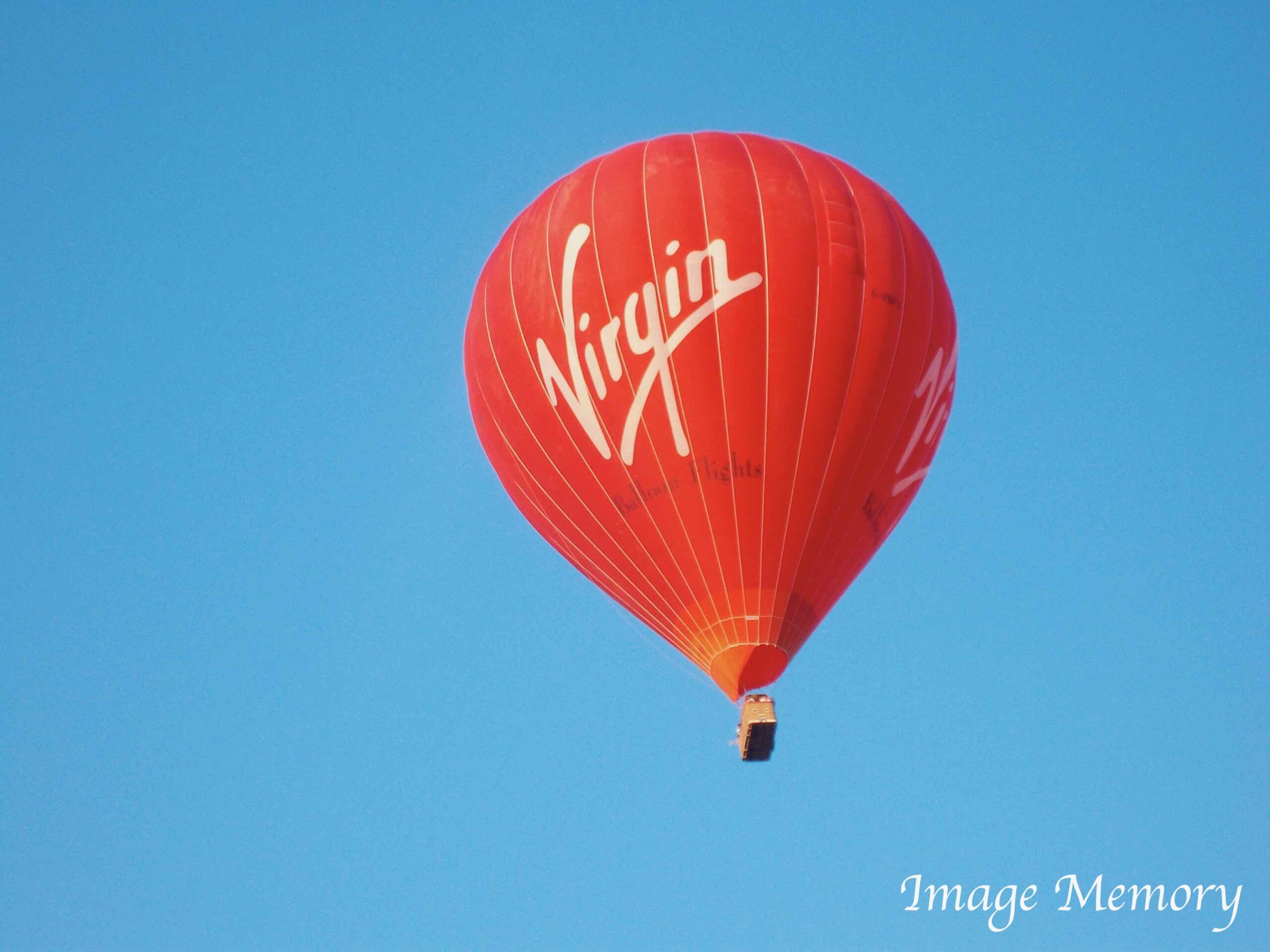
The adverts that depict father Christmas delivering CocaCola are memorable, as are the Virgin Atlantic reels encouraging individuality.

Next week in the Psychology of Colour series – YELLOW


Birds of Burghfield – Part One

When we first moved to Burghfield we were amazed at the wide variety of bird life, particularly aquatic, that live around the Kennet and Avon Canal and local stretches of water.

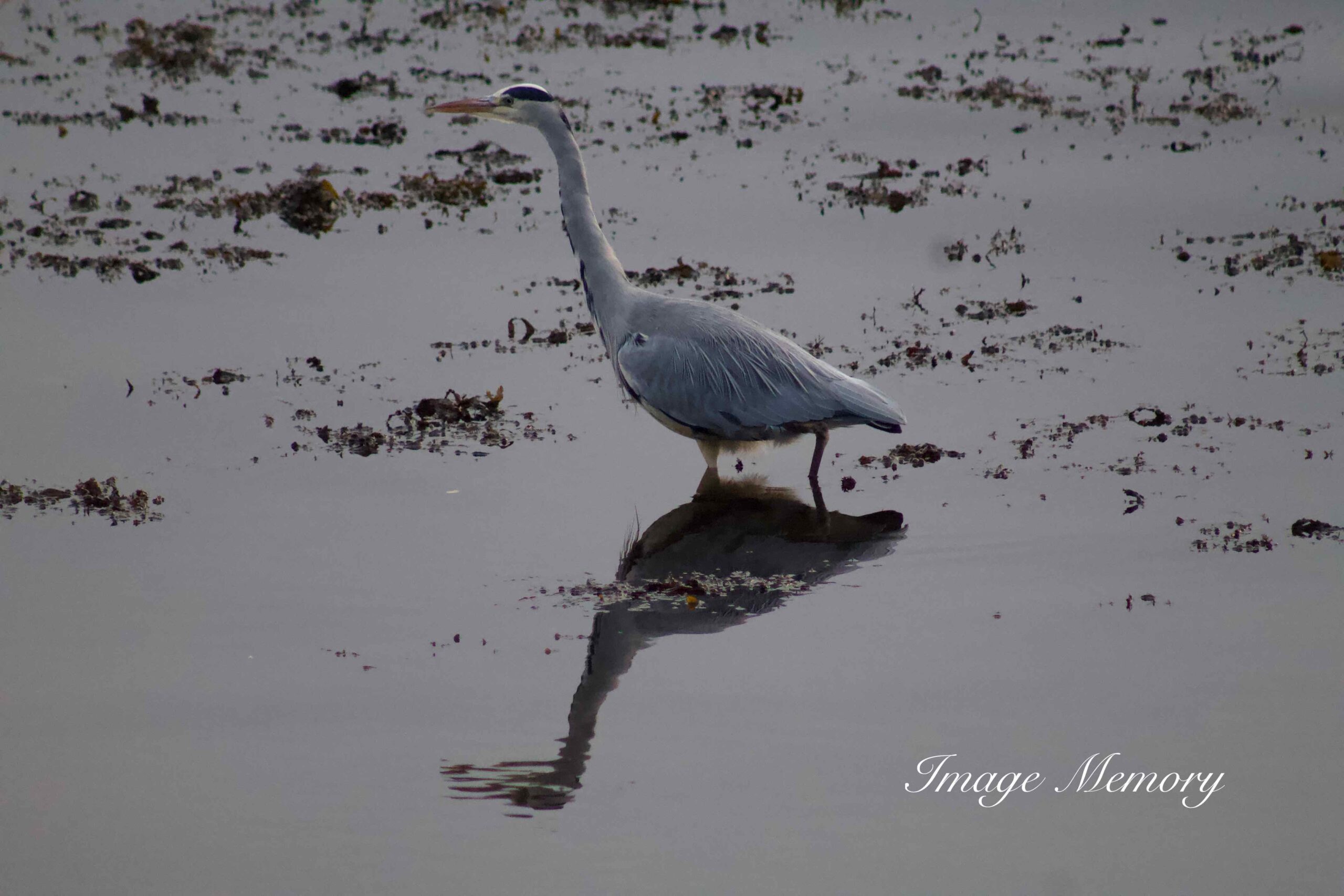
One of the most amazing species of bird that we have observed is the heron.  It is a very tall bird, with strange strands of feathers at the front, that make it look somewhat unkempt.

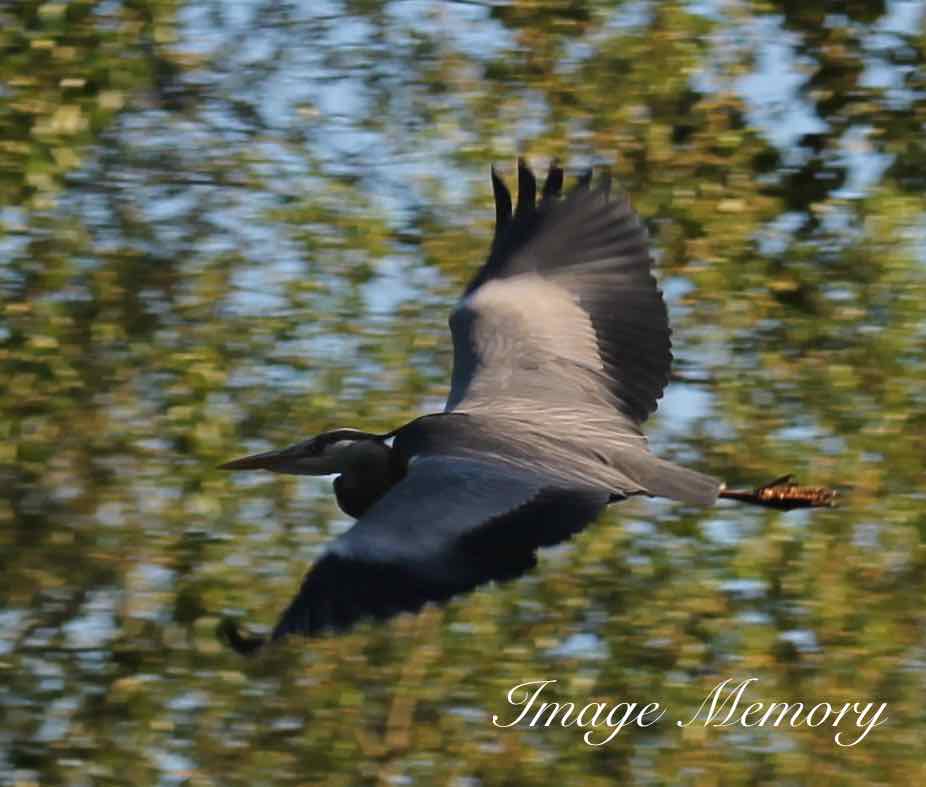
Fiona and I continually discuss the extraordinary features that this sizeable bird has. Their quirks include a bendy neck that it retracts when flying.  This is unlike other birds, like swans and geese, that straighten out their necks in front of them when in flight. The heron has 20 to 21 cervical vertebrae in its neck, which makes this possible.

They look like cloaked school masters in profile. Or the poem ‘Haegri’ (Shetlandic for Heron, please click on ‘Haegri’ for the full poem) by Roseanne Watt aptly describes her heron as ‘curled like a question mark’. They are one of the few species of birds that are prehistoric. I must admit they don’t look like a bird from this epoch when they fly, watching them makes me feel I have been transported millions of years back in time.

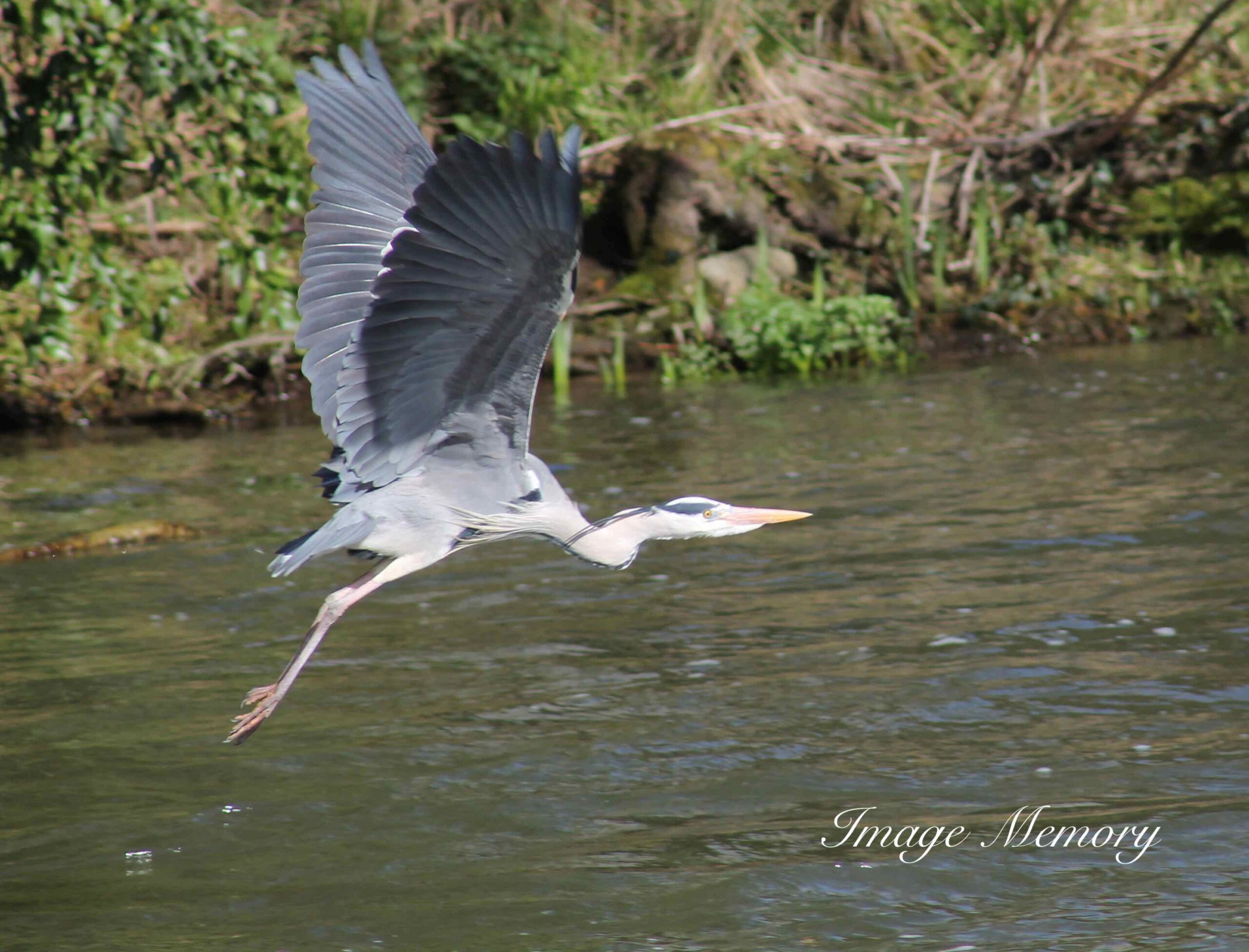
The heron is reluctant to take off because they weigh up to 2 kilograms and are up to 98cm in height, with feathers that provide some resistance to flight.  Consequently, a big wingspan is required and this measures up to a full 1.95 metres.

An adult heron needs around half a kilogram of food per day and they will continue on the hunt till this target is reached.  They eat fish, voles, frogs, eels, insects and young birds, like ducklings for example.  Mind blowingly we have seen a grown heron fly towards a mink in a distinctly aggressive way.

I am also convinced that the heron was the model for the birds in the Avatar films (please click on Avatar video clip for the plumes).  If you look closely at the photograph above, you can see a long dark plume of feathers trailing behind its head.  Their plume is like the reins that the avatars used to ride on the backs of magnificent birds depicted in the movies.

Please see photo below that shows the heron with neck fully retracted in flight.

Herons are also very solitary by nature.  I have only ever seen them on their own. Of course, they must find a partner in Spring, or the numbers would deplete quickly! The female will lay up to 10 pale blue eggs and both parents incubate the eggs for 25 days.

Sources of information include:

https://community.rspb.org.uk/ https://www.everyheron.com/

https://www.heronconservation.org/herons-of-the-world/heron-taxonomy-and-evolution/
 

hugo.richardson@image-memory.com 

Photographs by Hugo Richardson

Tel. 07476 343 777