Why are bees driven, what motivates them?


To Bee or not to Bee

To Bee or not to Bee

We are told that insects were created by God on the fifth day (see Genesis in the bible).

Clearly, Genesis’s account of creation is open to interpretation. The six days of creation are not twenty-four hour days but much longer periods, likely to be thousands to billions of years.

Bees evolved from ancient predatory wasps that lived 120 million years ago (please click on: Museum of the Earth).

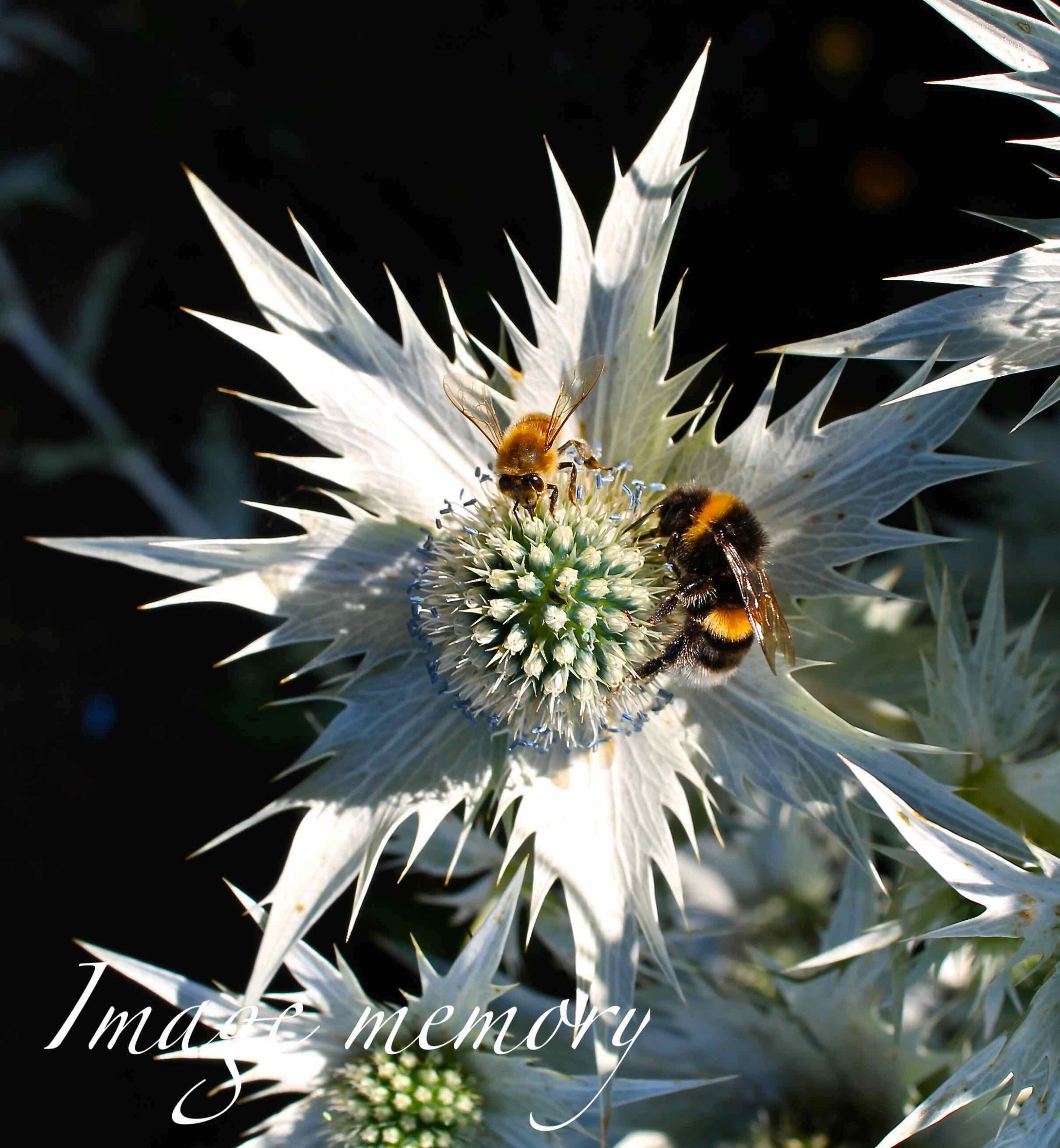
Bees are attracted to the flower’s bright colours, patterns on the petals and the aroma of sweet nectar. However, what is fascinating is the fact that discoveries from 1960s onwards show they are attracted by an electrical charge. (please click on: “Bees can sense the electrical field of flowers“) .?Flowers are negatively charged and bees are positively charged. Please see photo below showing bees feeding on eryngium giganteum or ‘Miss Willmott’s ghost’.
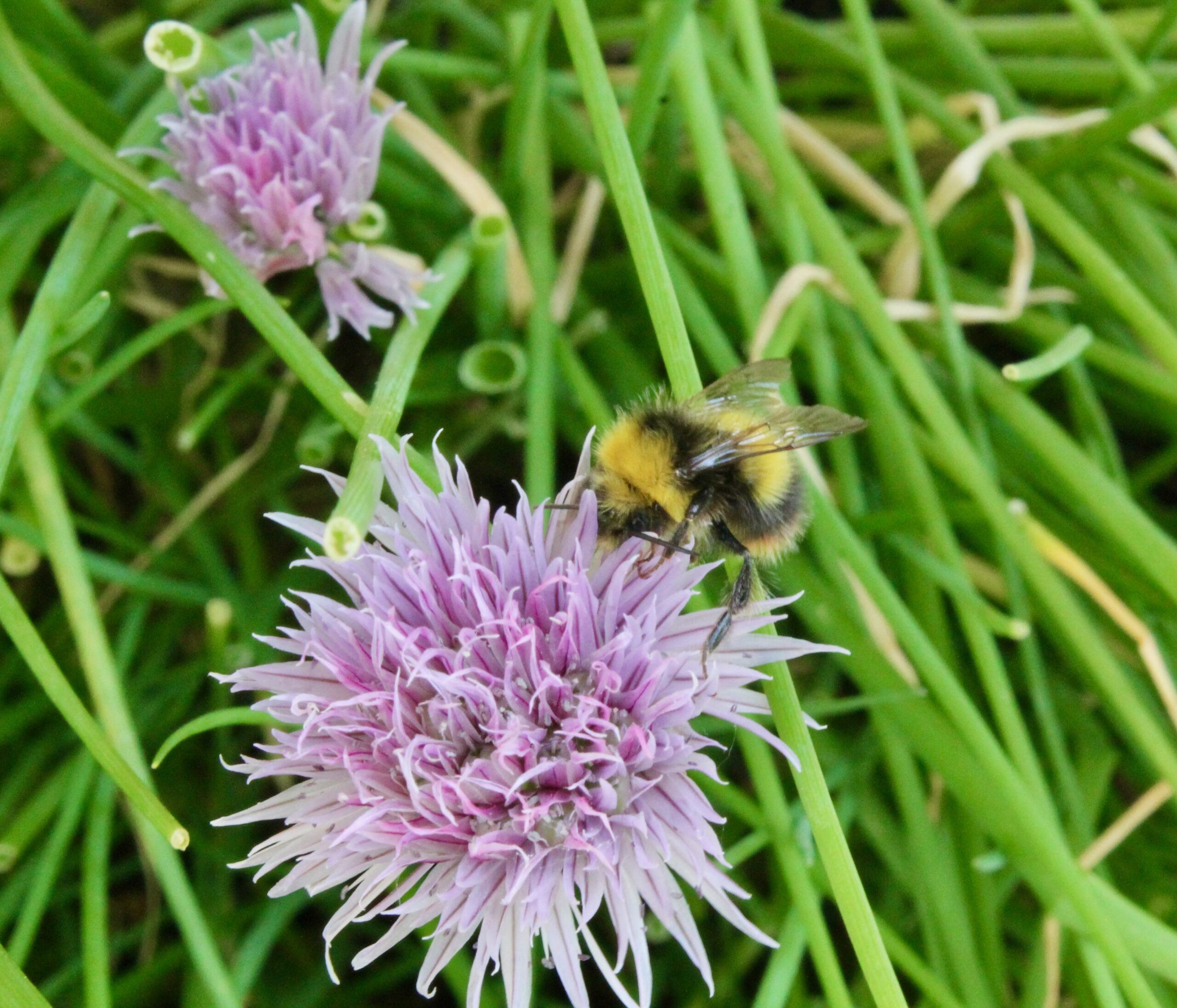
Bee on Chive flower

Bee on Chive flower

The electrical charges between the flower and the bees mean that the pollen can be seen to jump to the bees body, says Daniel Robert of the University of Bristol (please click on: University of Bristol).

In order to further interpret the electrical signals that bees are sensitive to, electrodes can be attached to the stems of flowers. These electrodes can be attached to speakers and the electrical pulse can be heard. This sound changes when the bee approaches as the bee has a different electrical signal. David Attenborough describes this intricately in the following video: Electric Charge on Flowers and Bees.
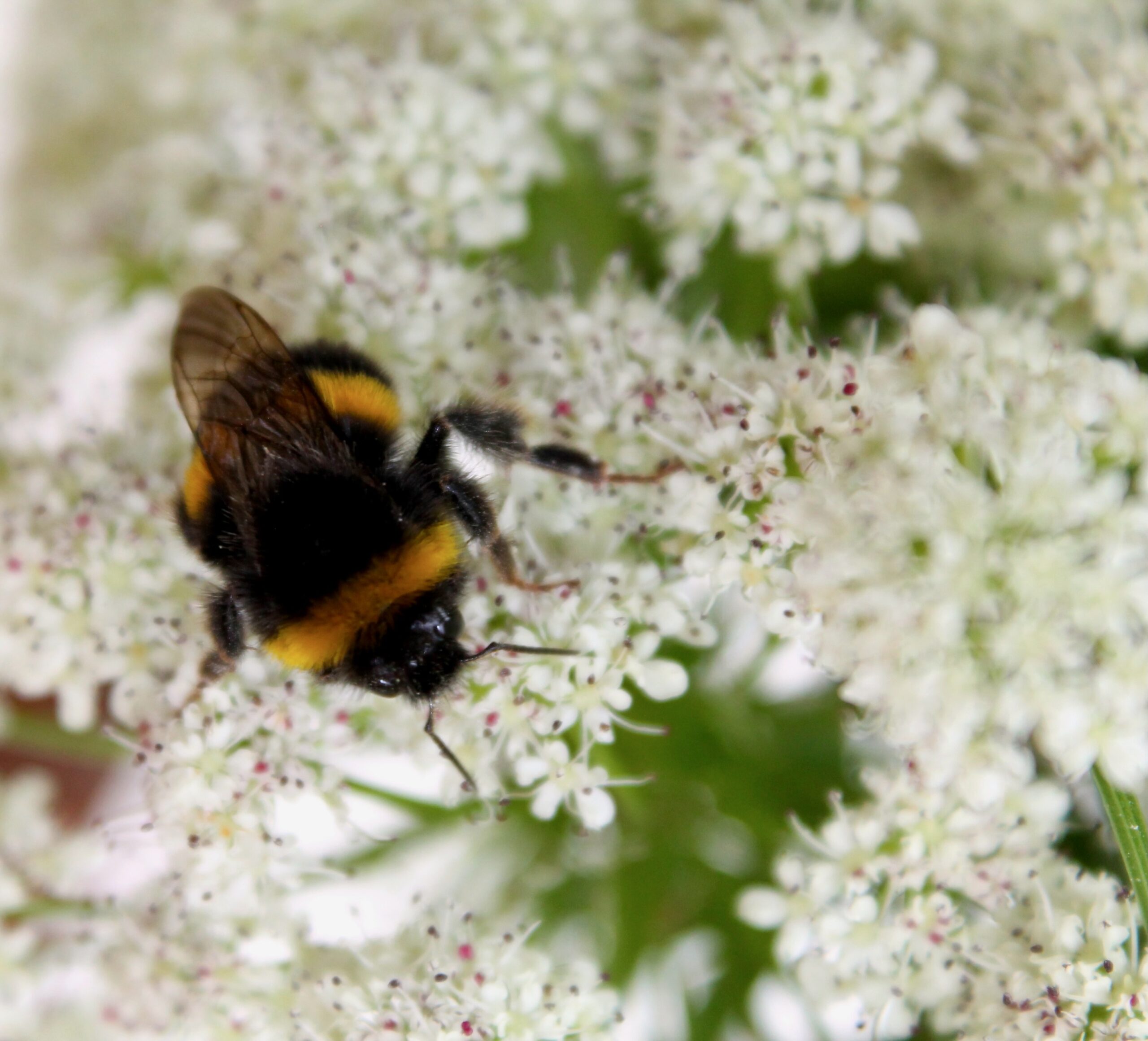
 

Bee on Cow Parsley
Bee on Cow Parsley

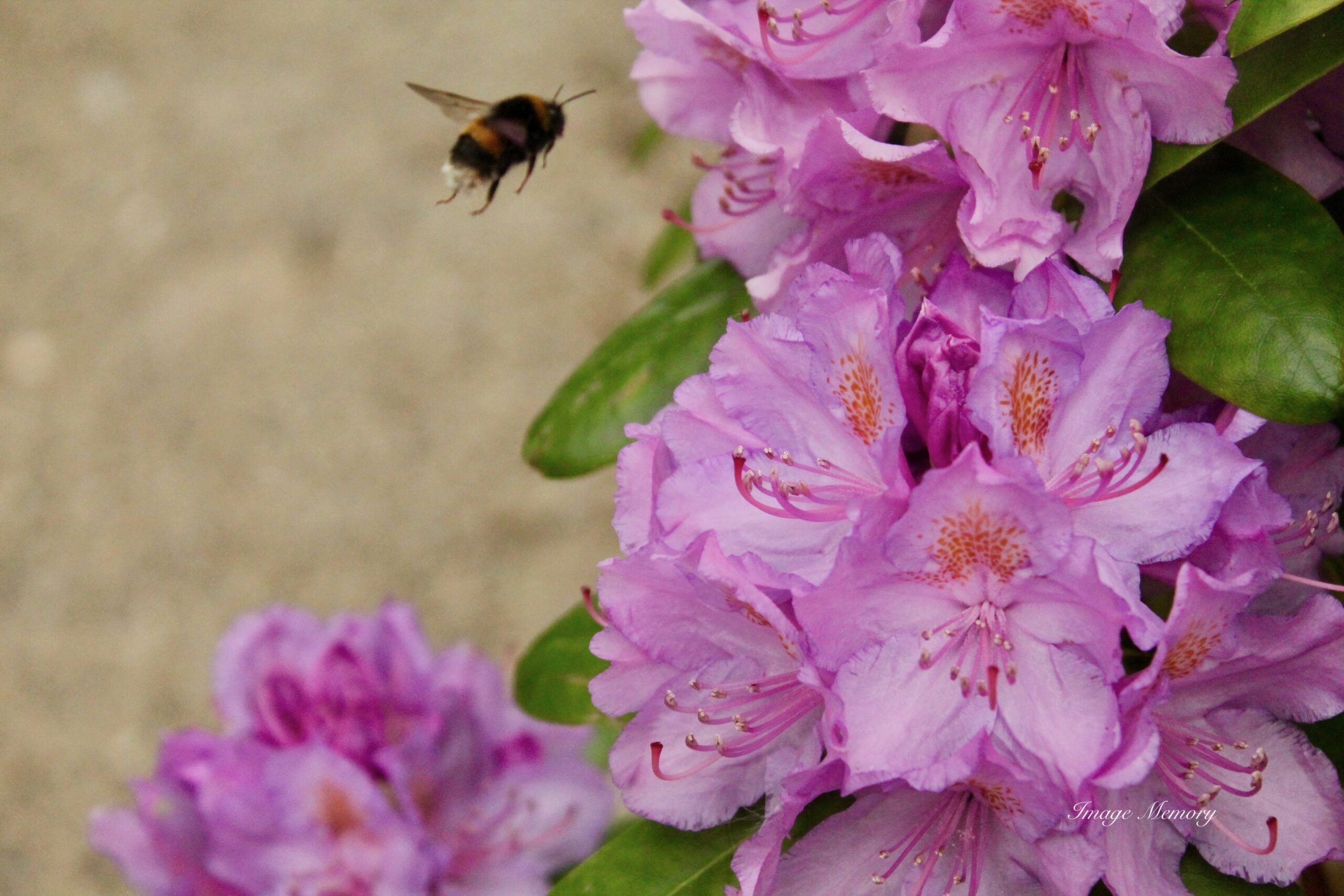
The reason that I photograph bees is because the real science of bee flight was not entirely clarified until the 1990s.?In addition to the circular motion of the wings and speed of rotation, an article in the New Scientist reveals that there are also “tiny tornado-like airflows that form on the leading edges of their wings, known as LEVs or leading edge vortices” (please click on: New Scientist).?Also, trying to obtain a bee’s photograph in flight is a challenge as they move so fast! Please see photo of bumble bee flying towards rhododendron bush below.
Bee flying towards a rhododendron bush
Bee flying towards a rhododendron bush
Birds of Burghfield – Part One

When we first moved to Burghfield we were amazed at the wide variety of bird life, particularly aquatic, that live around the Kennet and Avon Canal and local stretches of water.

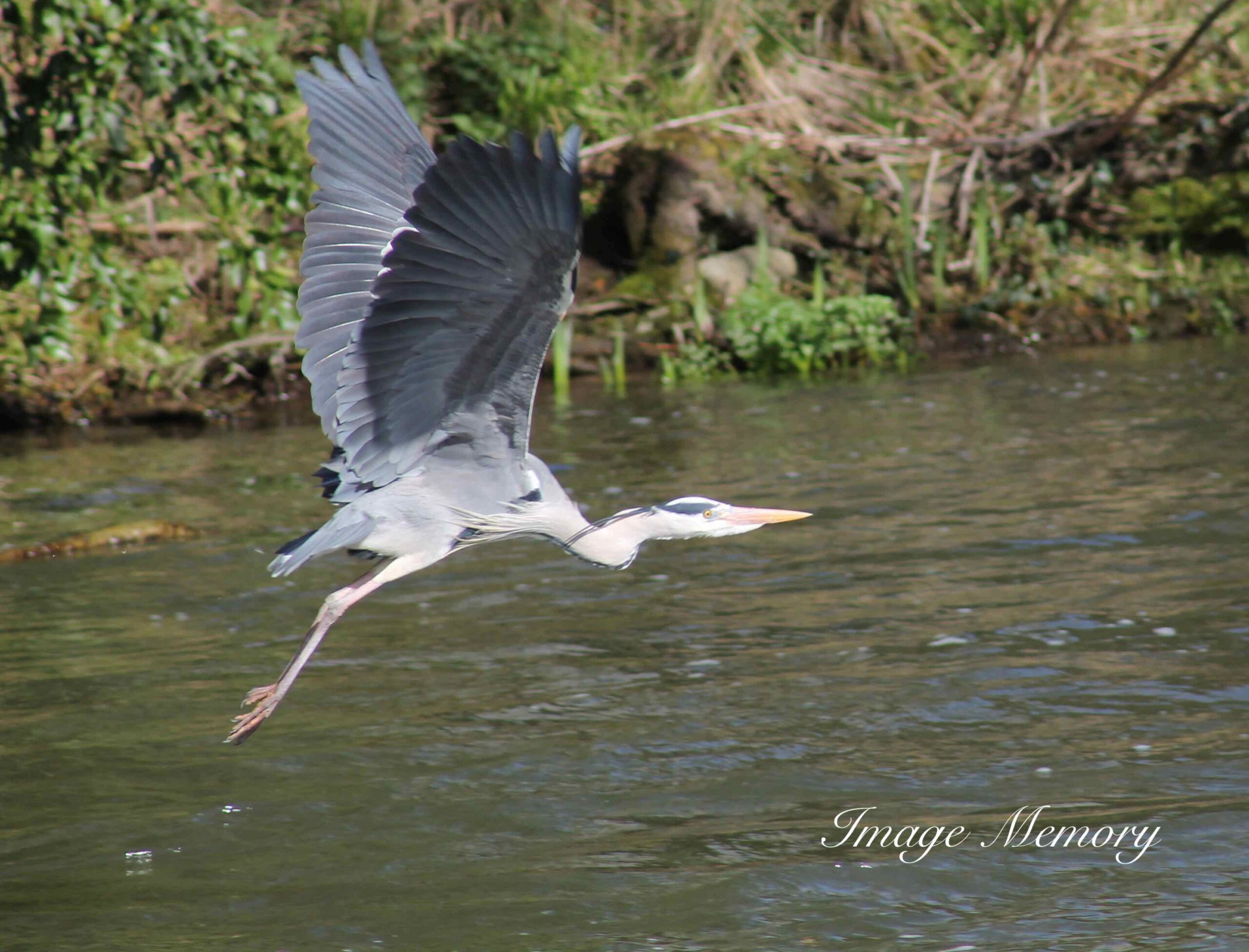
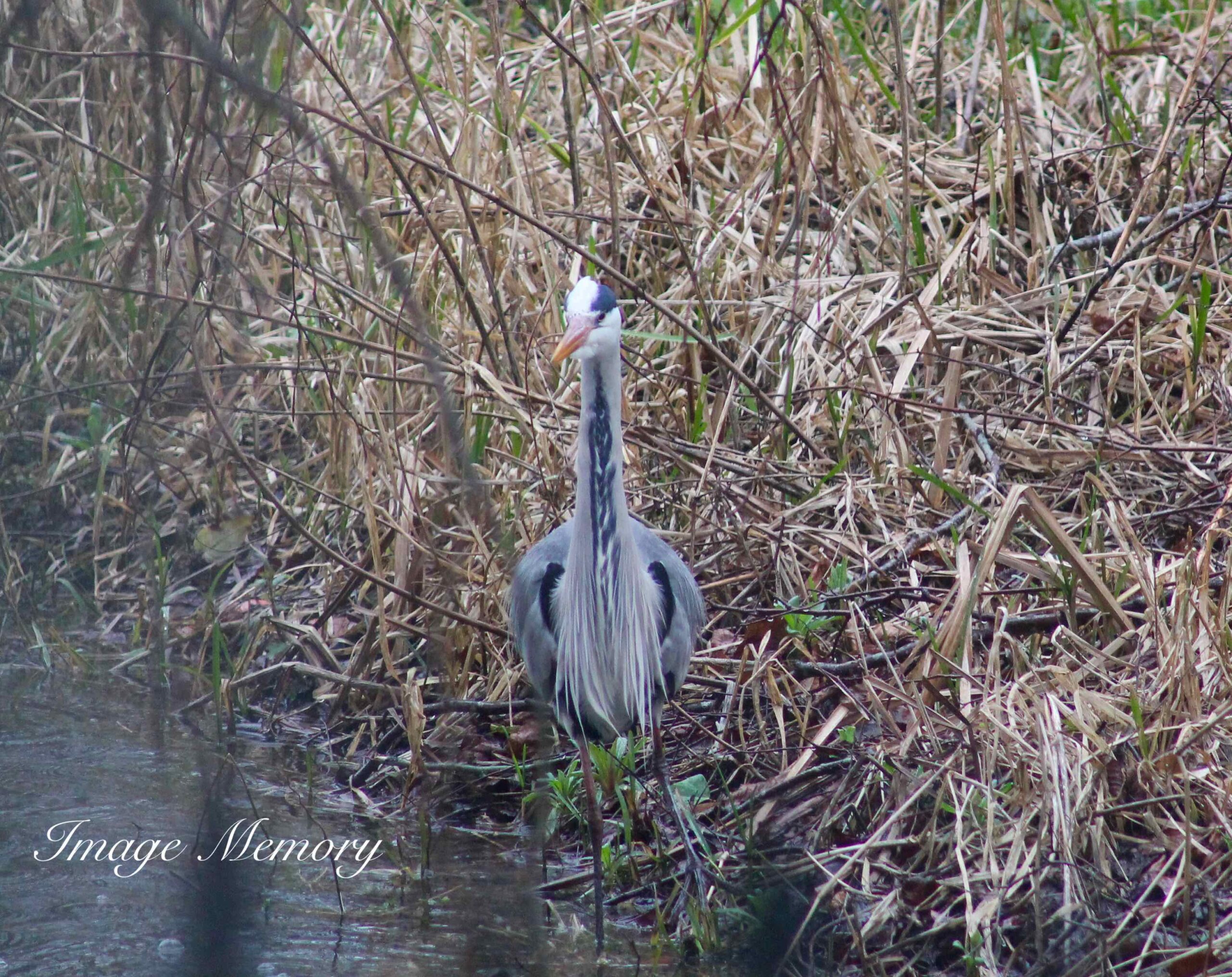
One of the most amazing species of bird that we have observed is the heron.  It is a very tall bird, with strange strands of feathers at the front, that make it look somewhat unkempt.

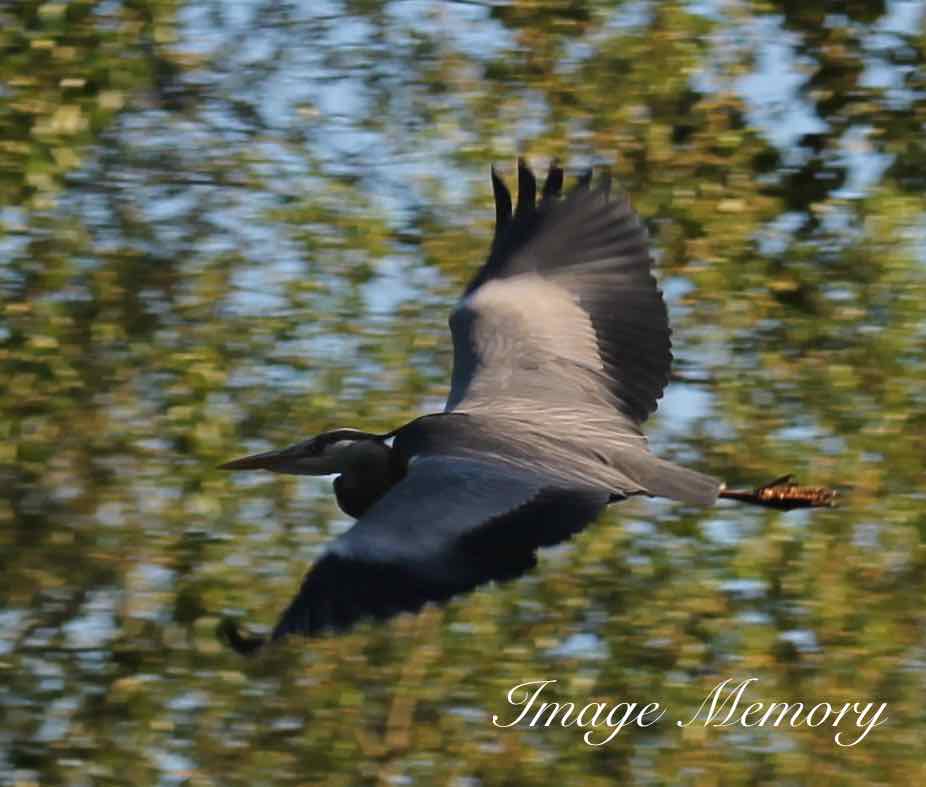
Fiona and I continually discuss the extraordinary features that this sizeable bird has. Their quirks include a bendy neck that it retracts when flying.  This is unlike other birds, like swans and geese, that straighten out their necks in front of them when in flight. The heron has 20 to 21 cervical vertebrae in its neck, which makes this possible.

They look like cloaked school masters in profile. Or the poem ‘Haegri’ (Shetlandic for Heron, please click on ‘Haegri’ for the full poem) by Roseanne Watt aptly describes her heron as ‘curled like a question mark’. They are one of the few species of birds that are prehistoric. I must admit they don’t look like a bird from this epoch when they fly, watching them makes me feel I have been transported millions of years back in time.

The heron is reluctant to take off because they weigh up to 2 kilograms and are up to 98cm in height, with feathers that provide some resistance to flight.  Consequently, a big wingspan is required and this measures up to a full 1.95 metres.

An adult heron needs around half a kilogram of food per day and they will continue on the hunt till this target is reached.  They eat fish, voles, frogs, eels, insects and young birds, like ducklings for example.  Mind blowingly we have seen a grown heron fly towards a mink in a distinctly aggressive way.

I am also convinced that the heron was the model for the birds in the Avatar films (please click on Avatar video clip for the plumes).  If you look closely at the photograph above, you can see a long dark plume of feathers trailing behind its head.  Their plume is like the reins that the avatars used to ride on the backs of magnificent birds depicted in the movies.

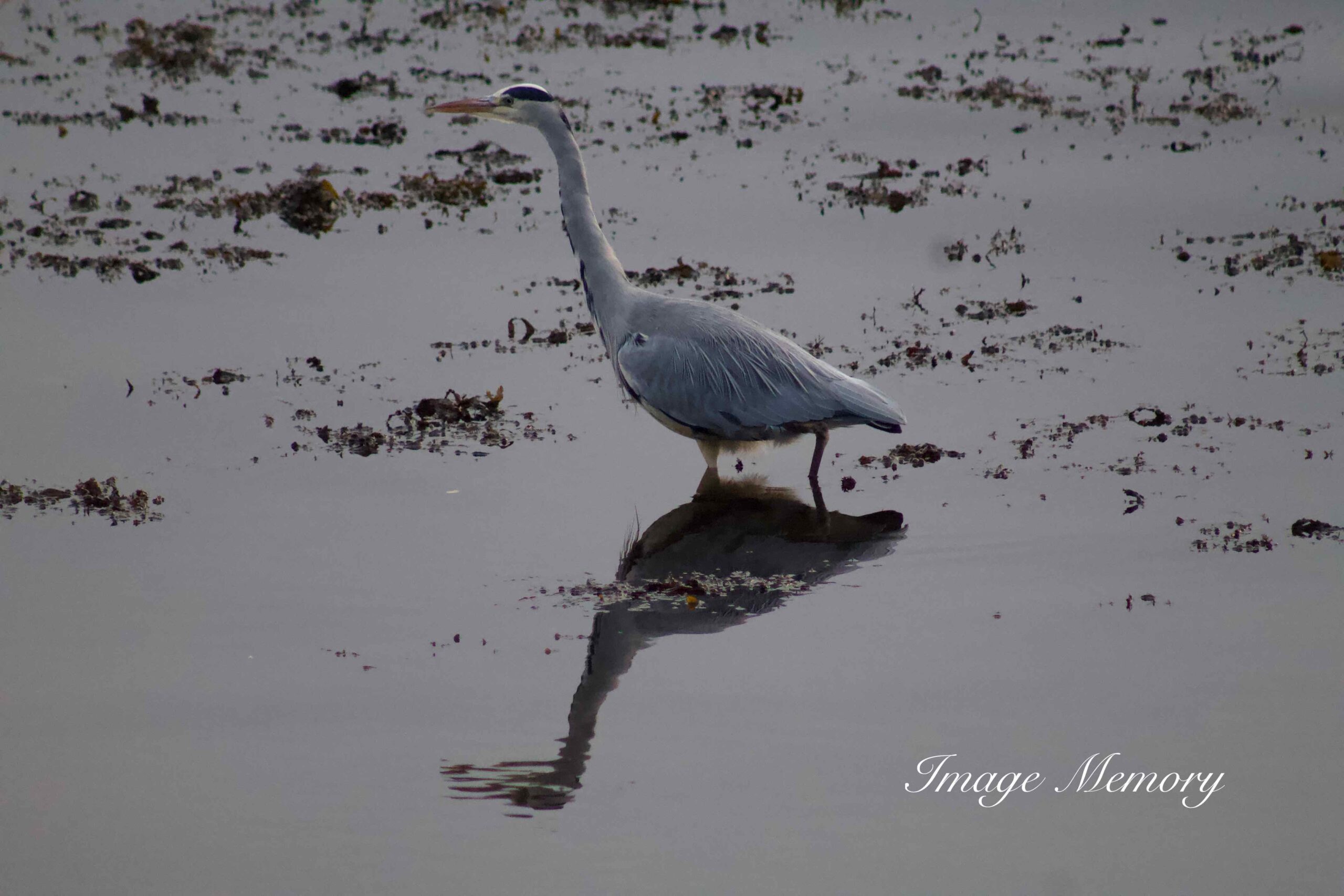
Please see photo below that shows the heron with neck fully retracted in flight.

Herons are also very solitary by nature.  I have only ever seen them on their own. Of course, they must find a partner in Spring, or the numbers would deplete quickly! The female will lay up to 10 pale blue eggs and both parents incubate the eggs for 25 days.

Sources of information include:

https://community.rspb.org.uk/ https://www.everyheron.com/

https://www.heronconservation.org/herons-of-the-world/heron-taxonomy-and-evolution/
 

hugo.richardson@image-memory.com 

Photographs by Hugo Richardson

Tel. 07476 343 777