JWM Turner – The Elements – Air

‘The Service of the Clouds’
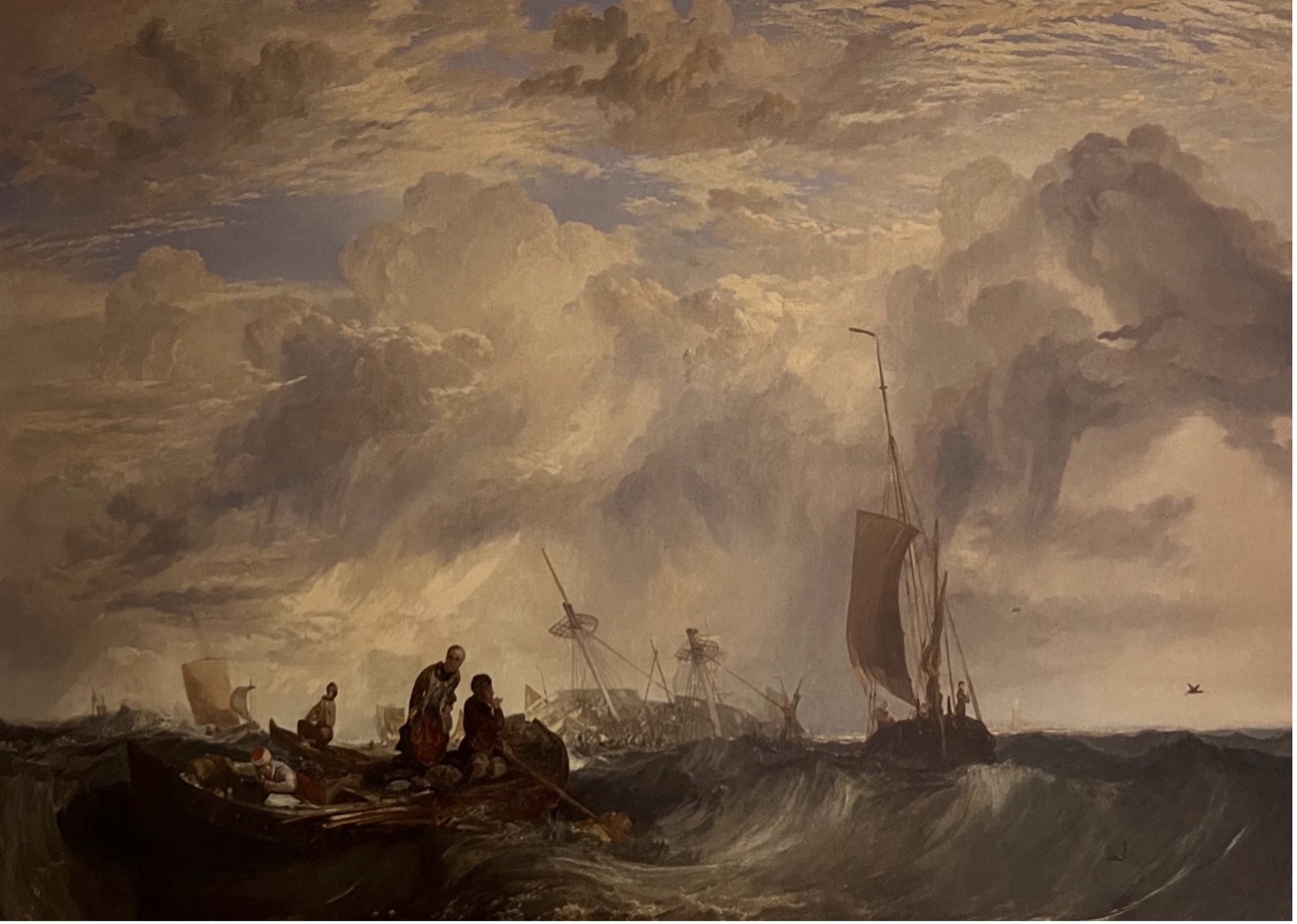
   

Entrance of the Meuse, JWM Turner, Orange Merchant Ship on the bar, 1819

The approach that English painters had for landscape painting, at the beginning of Turner’s career, included the ‘aerial perspective’ (used predominantly by Dutch artists in the 15th Century)

This system was a formula for producing atmospheric effect.  The process was used for ensuring uniformity in a painting.

Distant objects were depicted as paler and bluer; those in the middle distance were green and objects in the foreground were brown.

The farther away the object the less detailed it became.

However, in the second half of the eighteenth century, English painters felt that aerial perspective’s inflexible colour scheme was imperfect.

They realised that the appearance of objects in the landscape depended on light, the movement of clouds and weather conditions.

Artists like Turner, John R Cozens, Thomas Girtin and Francis Towne changed their styles to allow for this.

Their choice of colours and brushstrokes captured the impression of a fleeting, transient moment.

This changeability in nature focused on the style that John Ruskin (1819-1900) called “service of the clouds.”

Turner was particularly adept at painting the sky, light and vapour – air.

The element of air played the most important role in Ruskin’s assessment of the innovations Turner contributed to painting.

According to Ruskin, Turner’s depictions of space were based on atmospheric transparency.

This achieved a more truthful representation of nature and was a part of the scientific foundation of art promoted not only by Ruskin, but also Johann Wolfgang von Goethe (1749-1832).

Turner’s work had vibrance to it, more closely showing the action of seeing through the sky rather than looking at it.

This is the effect that I am also trying to achieve with my photography.   The camera never lies, but using light, cloud, water vapour and reflection can add a depth to two-dimensions.
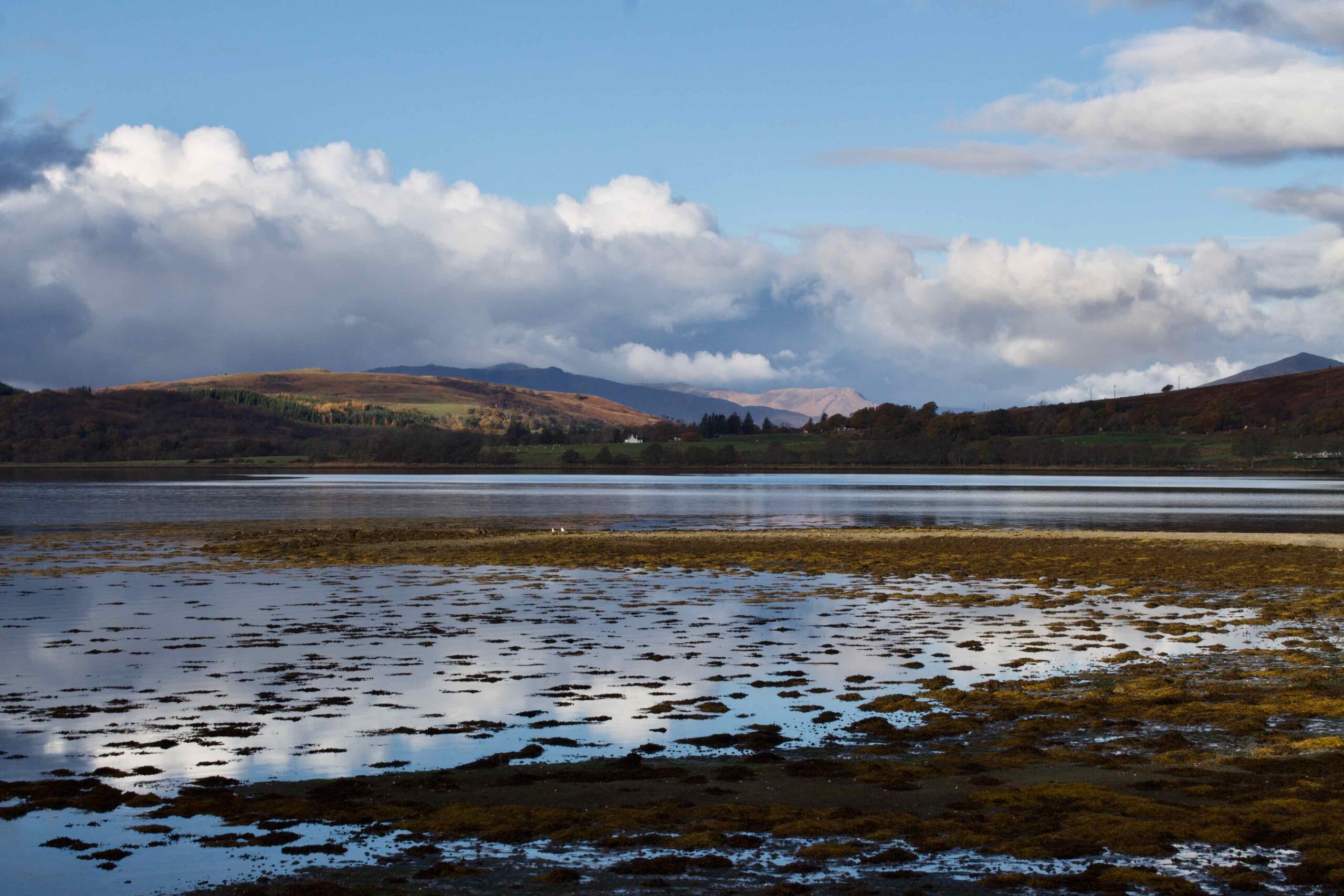
Watchers of the skies, through observing what is happening above us, can also have other meanings…
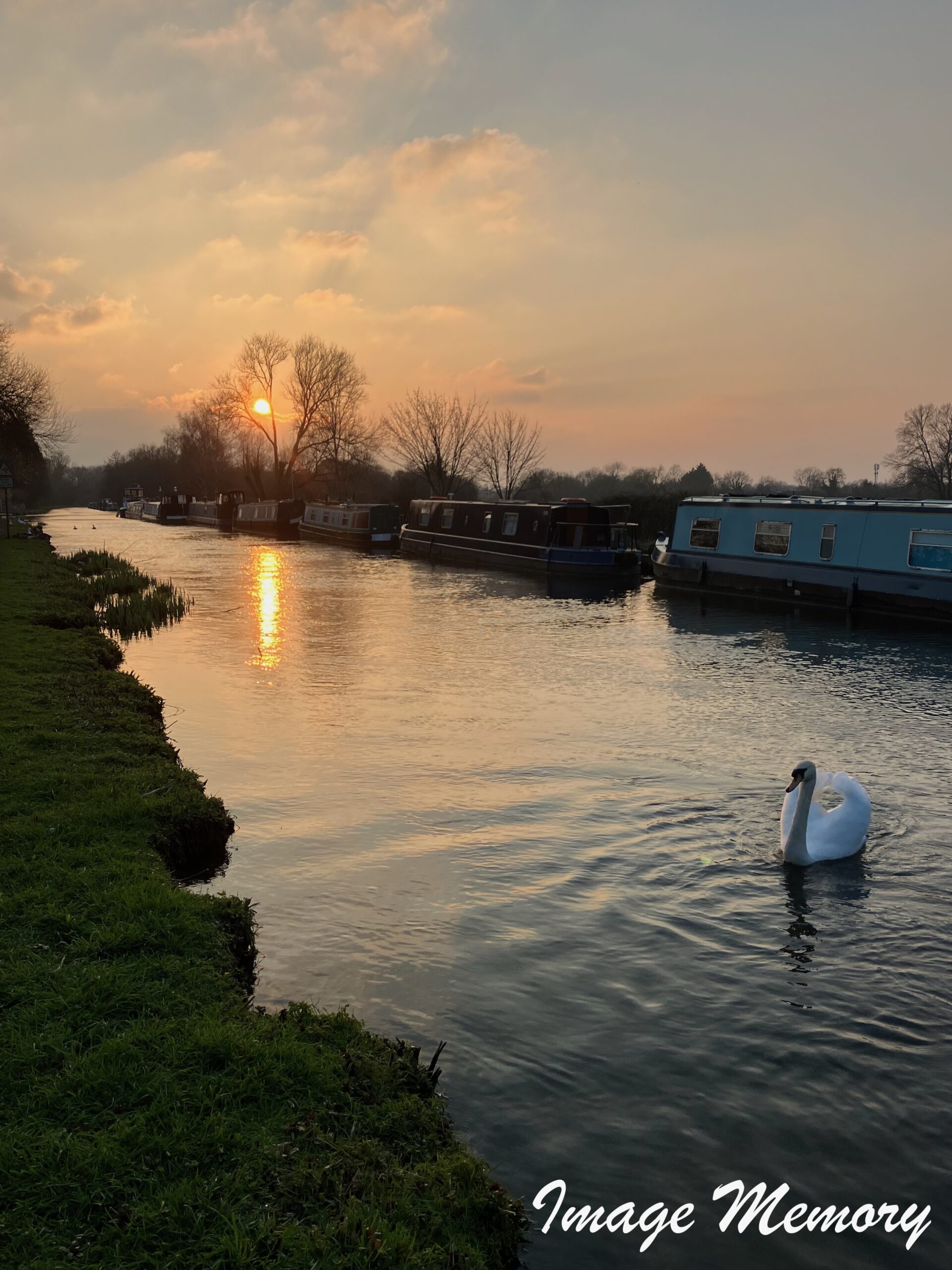
Clearly, from a biblical perspective, the heavens, the skies above, are also important for contemplative moods.  It is said that sitting on a beach for a few days a year, during a vacation is an important act for renewal.
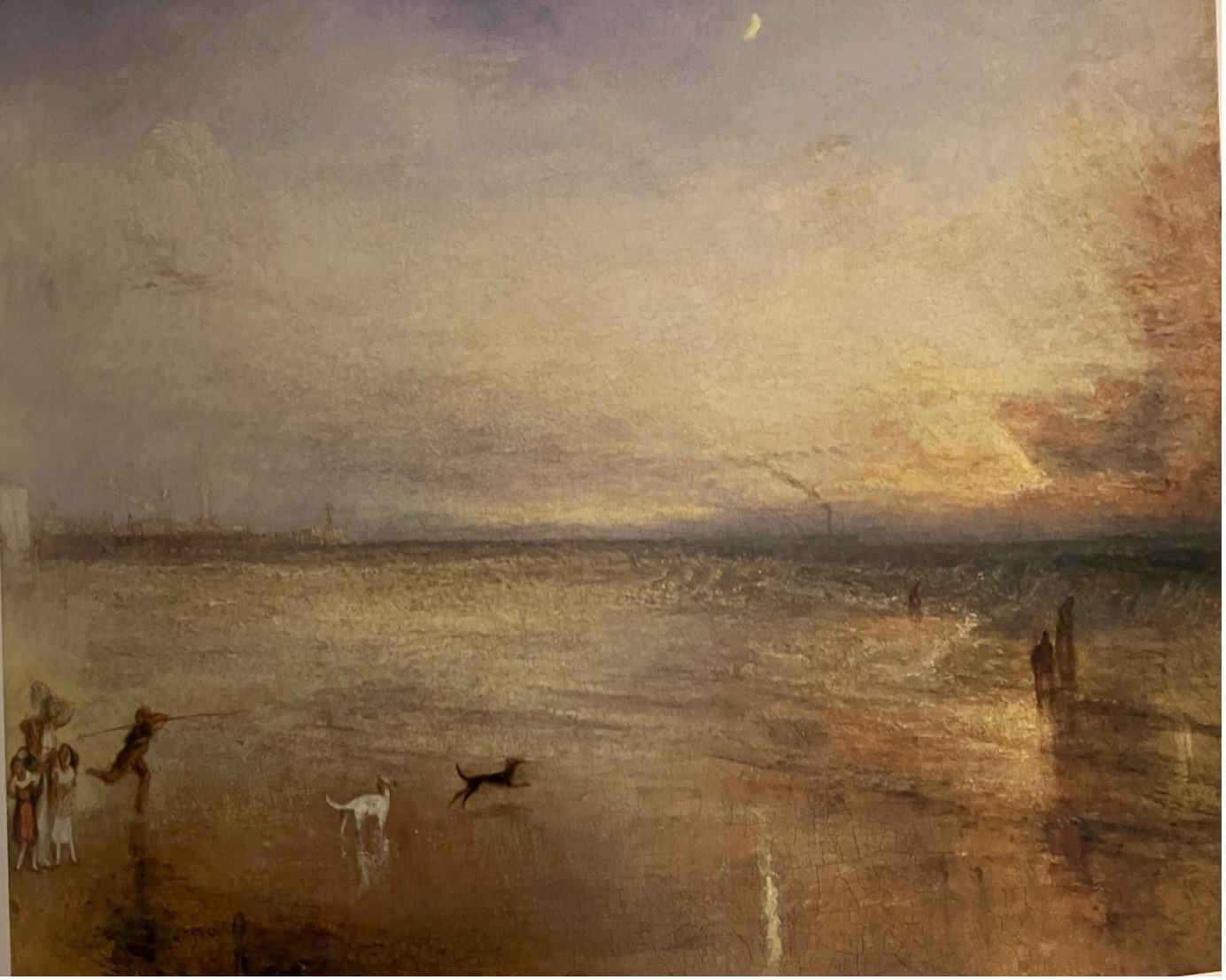
The New Moon; or “I’ve lost My Boat, You shan’t have Your Hoop.” Turner 1840

Where the sea meets the sky is the furthest point that we can ever see, distance wise, with the eyes.  Most work is close up, much of it nowadays screen-based. So having the opportunity to rest the eyes, mind and soul by quietly watching the sun retreat over the horizon, whilst listening to the breathing of the sea waves, can be cathartic.

Perhaps I like Turner’s work because of the reminiscences it invokes of past holidays.

Either way, the sky is never the same from one day to the next, so it always delivers a new perspective.

In 1819, Turner visited Italy.  He was impressed by the intensity of light there.  In Rome, Turner encountered the method of painting in oils directly from nature, which derived from Pierre-Henri de Valenciennes (1750-1819) and his international academy of plein-air painting from the 1770s and 1780s.

During extensive rambles through the Roman Campagna, open-air painters became aware of how important the sky was to achieving a uniform effect in painting.

Clearly, being in the open air, outdoors is also a weekend pursuit many of us look forward to at the weekends.

Sources of research: Turner and the Elements, Bucerus Kunst Forum

JMW Turner – The Elements – Water

Emulation of Turner’s work with Abstract Art Photography

Joseph Turner, Britain’s famous artist, gave around 30,000 pieces of art to the Nation for us to appreciate his artistic capabilities.

He was a complete genius at painting the elements.  His work has inspired me to take a series of photographs that depict light on water in its many guises, to try and emulate his unique style.

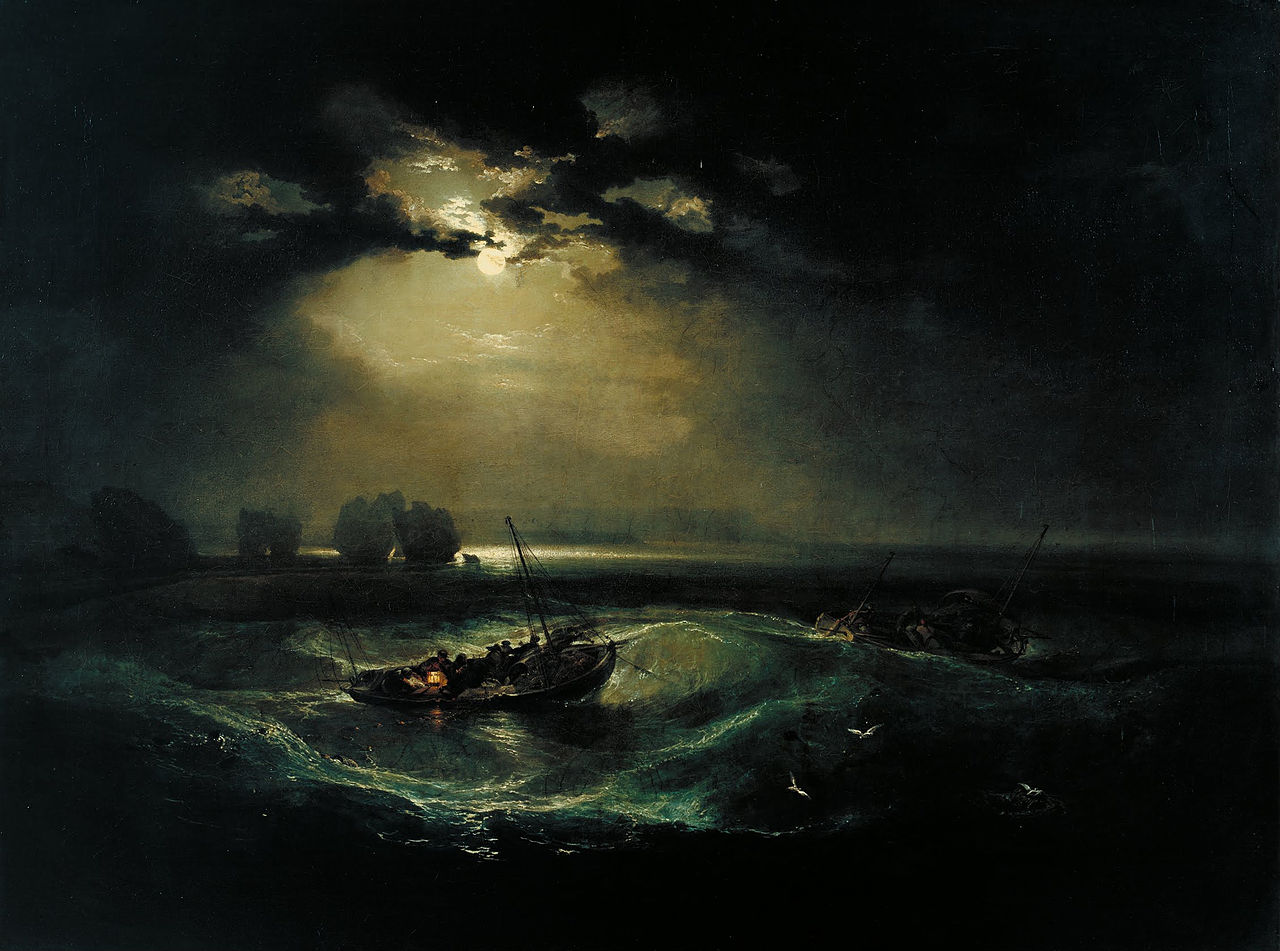
A recent visit to Tate Britain allowed me to look more closely at his phenomenal skill at capturing the force of sea waves.  For example, please see this stunning piece of art called “Fishermen At Sea Off The Needles” first exhibited in 1796 (he was only 21 when he painted this). The sense of movement in the water is breath taking:

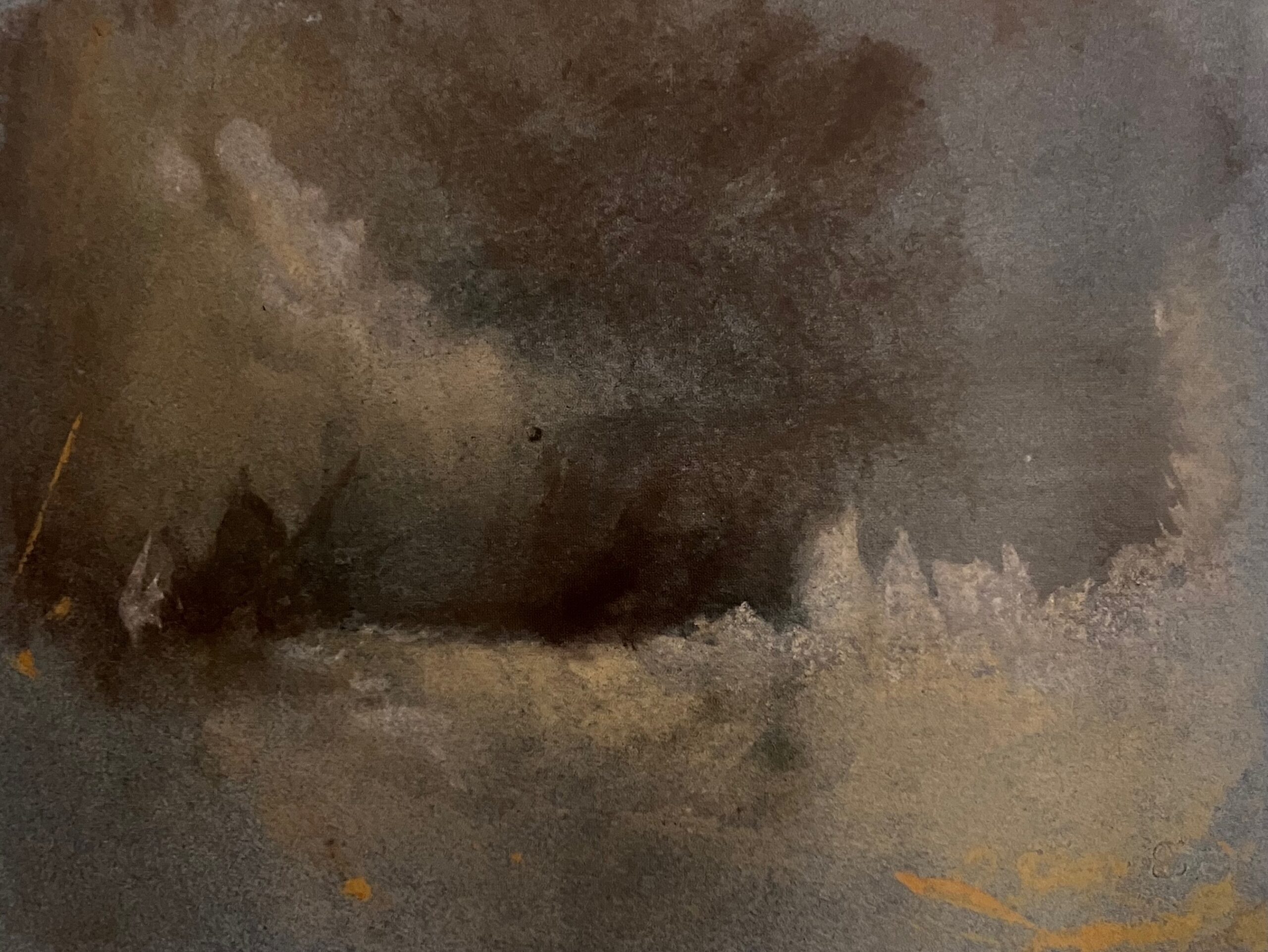
Turner used a mixture of art materials for the effects he wanted. His use of colour and gouache (a type of paint made from pigments bound in water-soluble gum, like watercolour, but with the addition of white pigment in order to make it opaque) allowed him to explore dramatic scenes like this painting.

‘Stormy Sea’ Painting JWM Turner 1830 above.

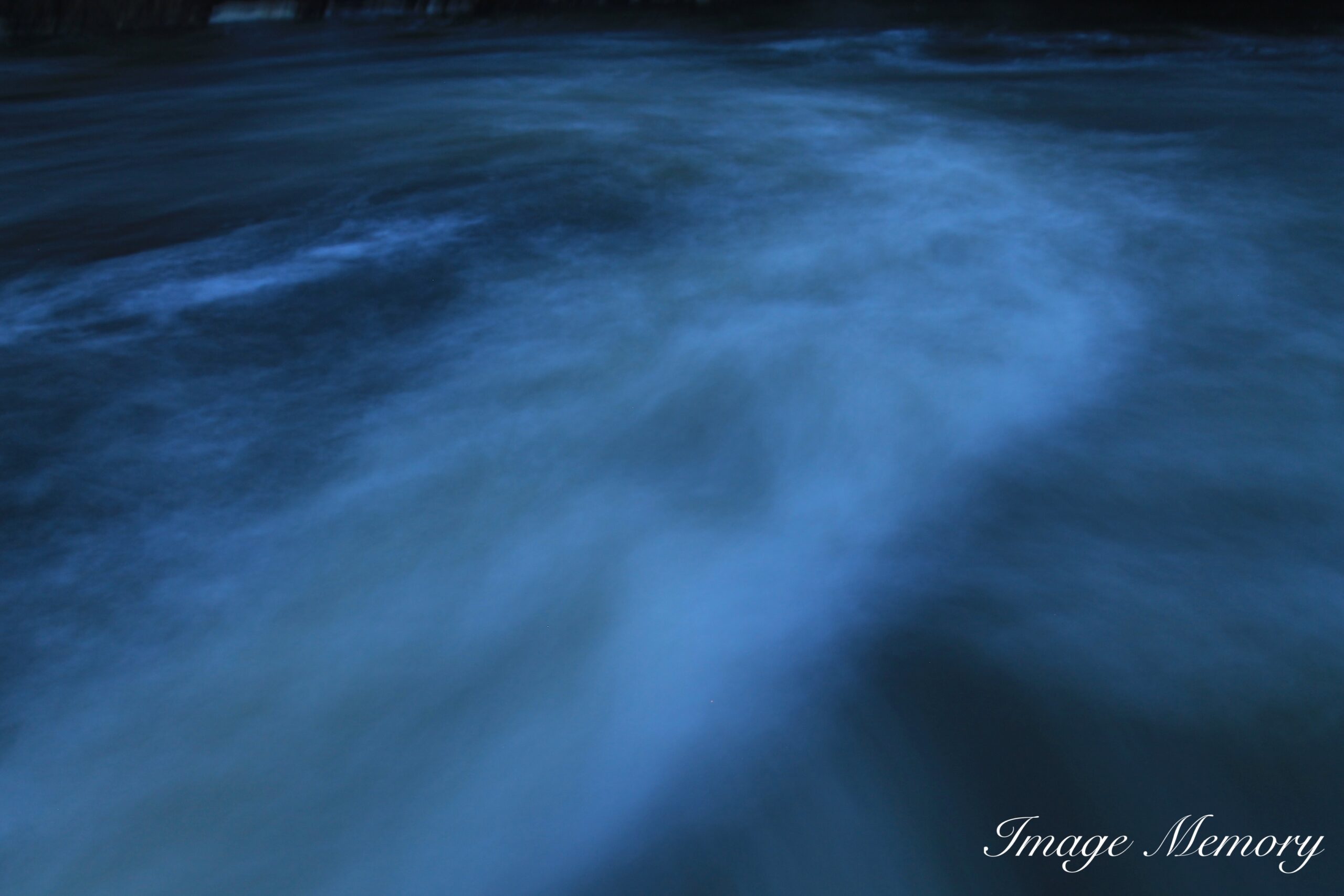
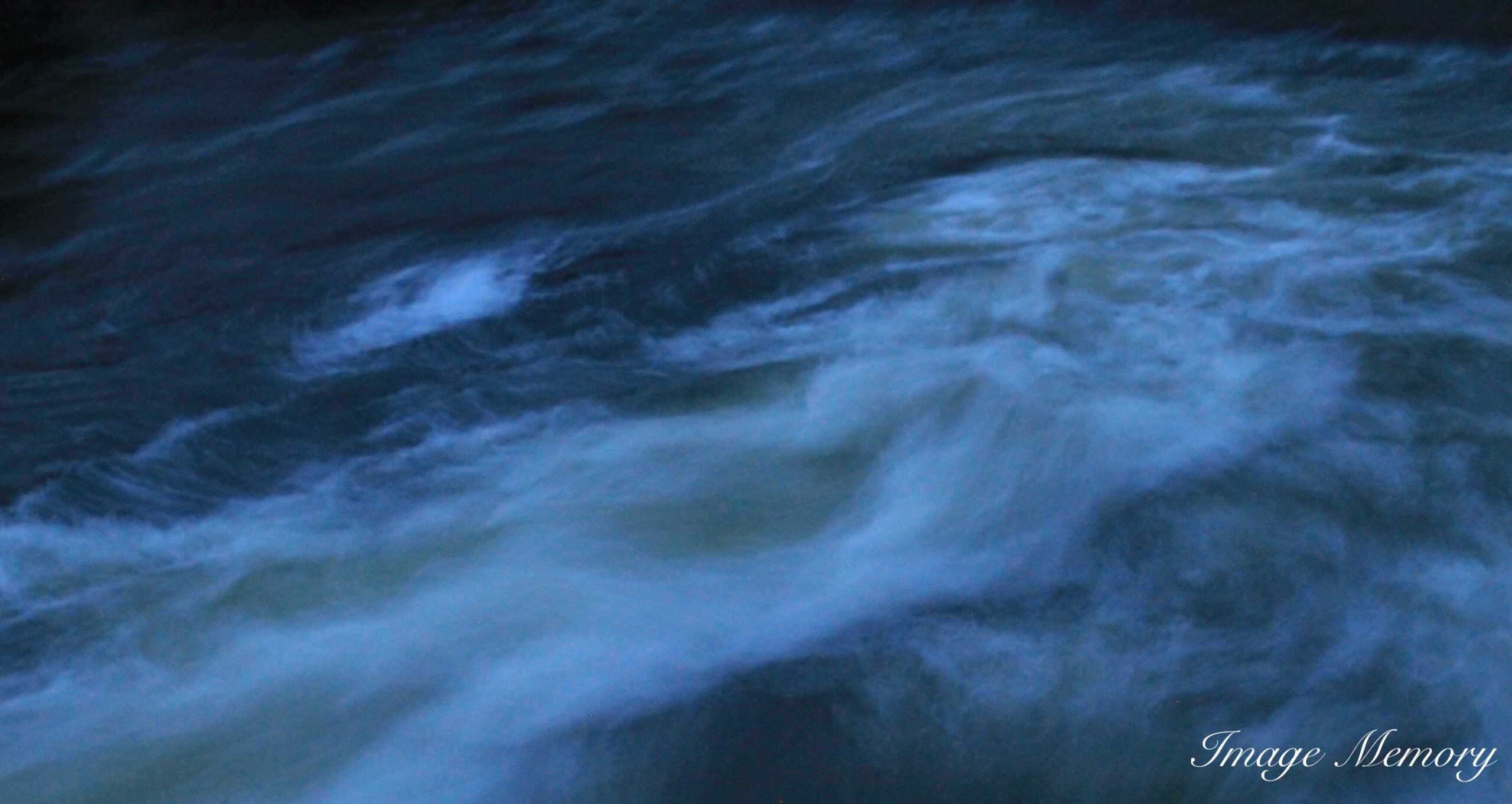
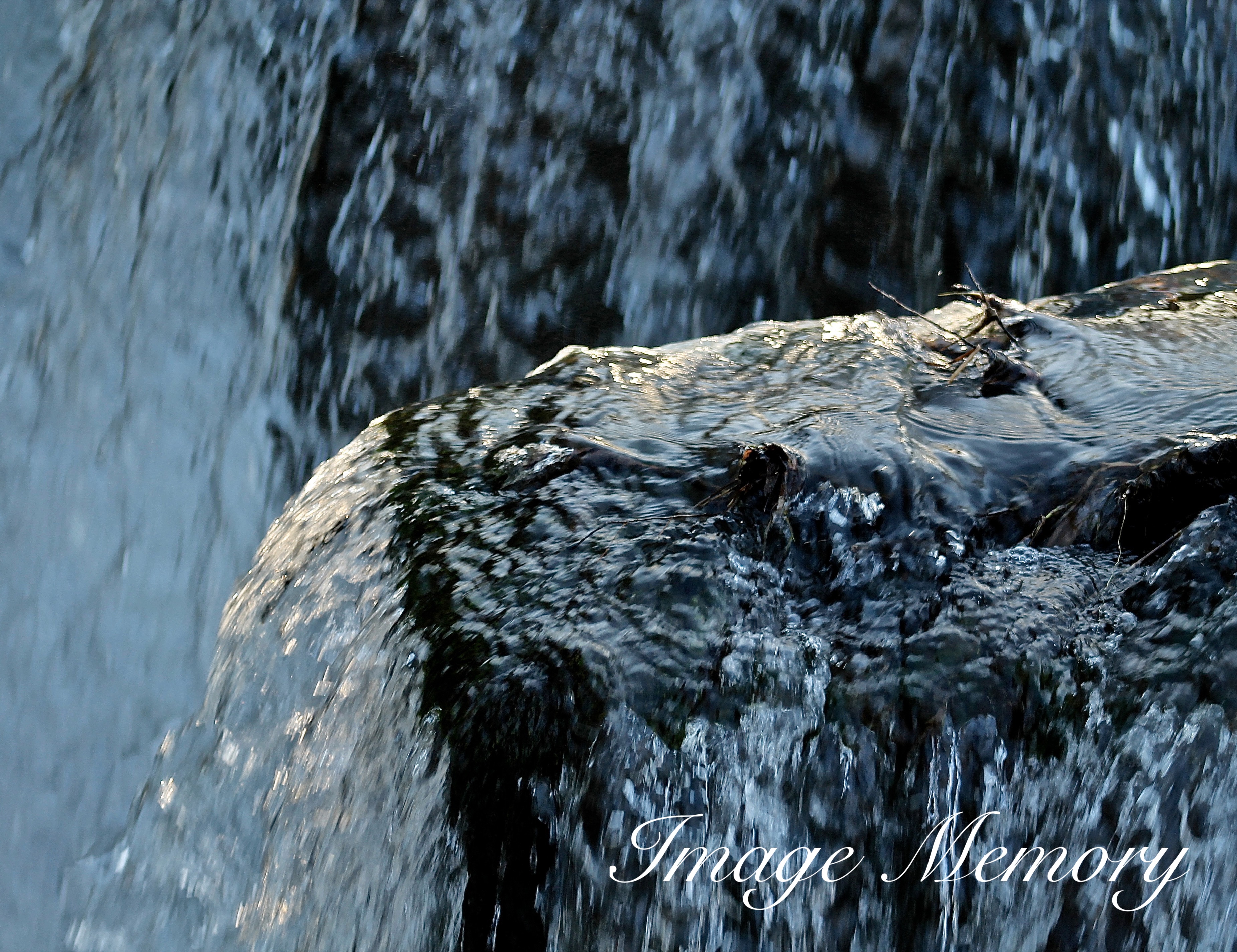
‘Rushing Water’  abstract art photograph inspired by Turner’s style:

Mastering the movement of water, through painting and sketching, meant research. Turner took this to the limits.  He requested to be tied to the mast of a ship, in order to prevent himself from being thrown overboard during a sea storm in 1842. Ultimately it was so he could experience the torrent of a storm from a ship, thereby obtaining insights into the movement of water.

‘Water in Turmoil’ – Abstract Art Photograph

Turner always lived close to the river Thames, probably because he loved experiencing the movement and reflective quality that water gives us. 

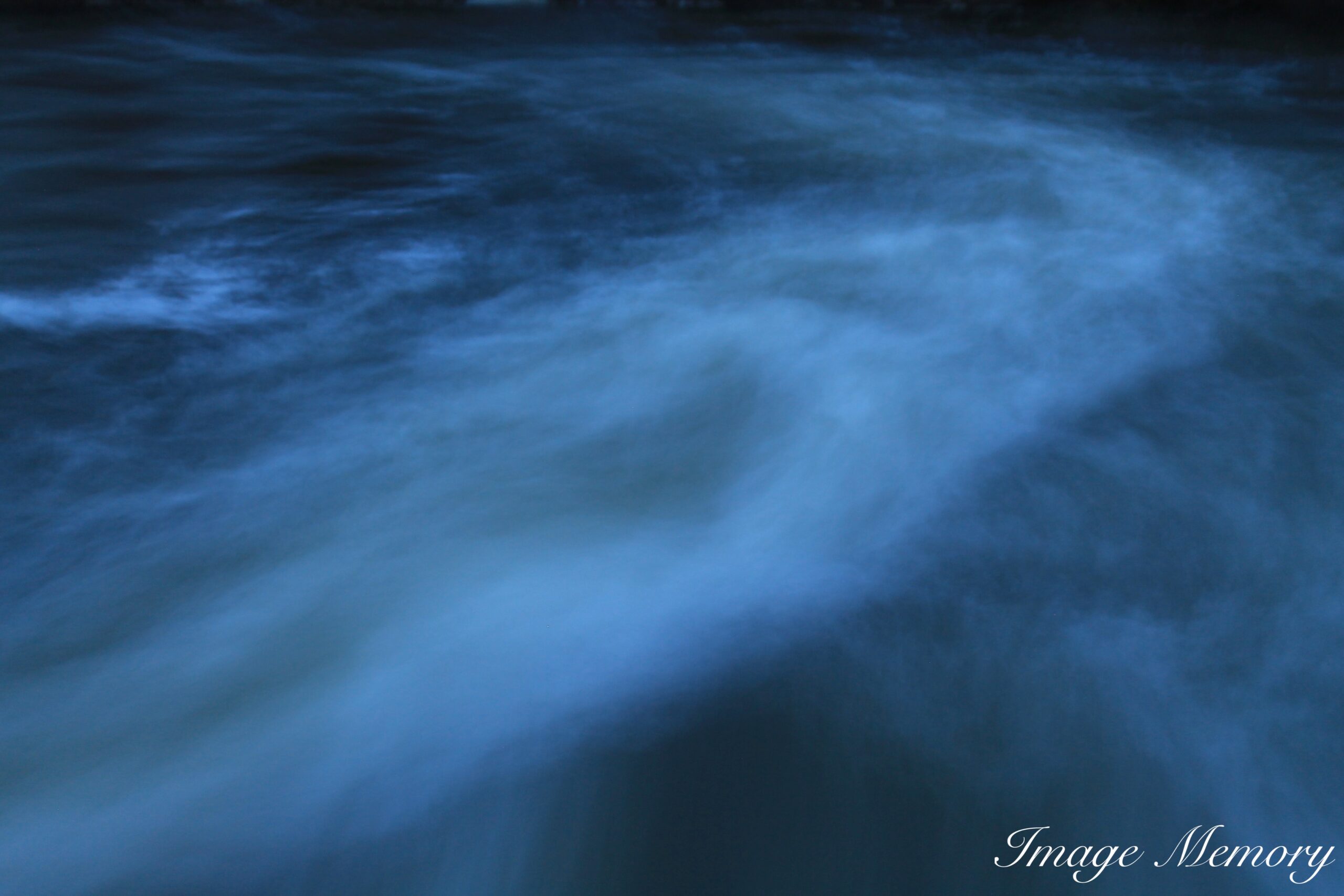
Following on from the admiration of his work, I have recently taken some photographs that show both the power and light that water has.

‘White Water Swell’ another abstract art photograph

Please note waves turning in the mid left

NEXT WEEK – Turner and the Elements – AIR

Birds of Burghfield – Part One

When we first moved to Burghfield we were amazed at the wide variety of bird life, particularly aquatic, that live around the Kennet and Avon Canal and local stretches of water.

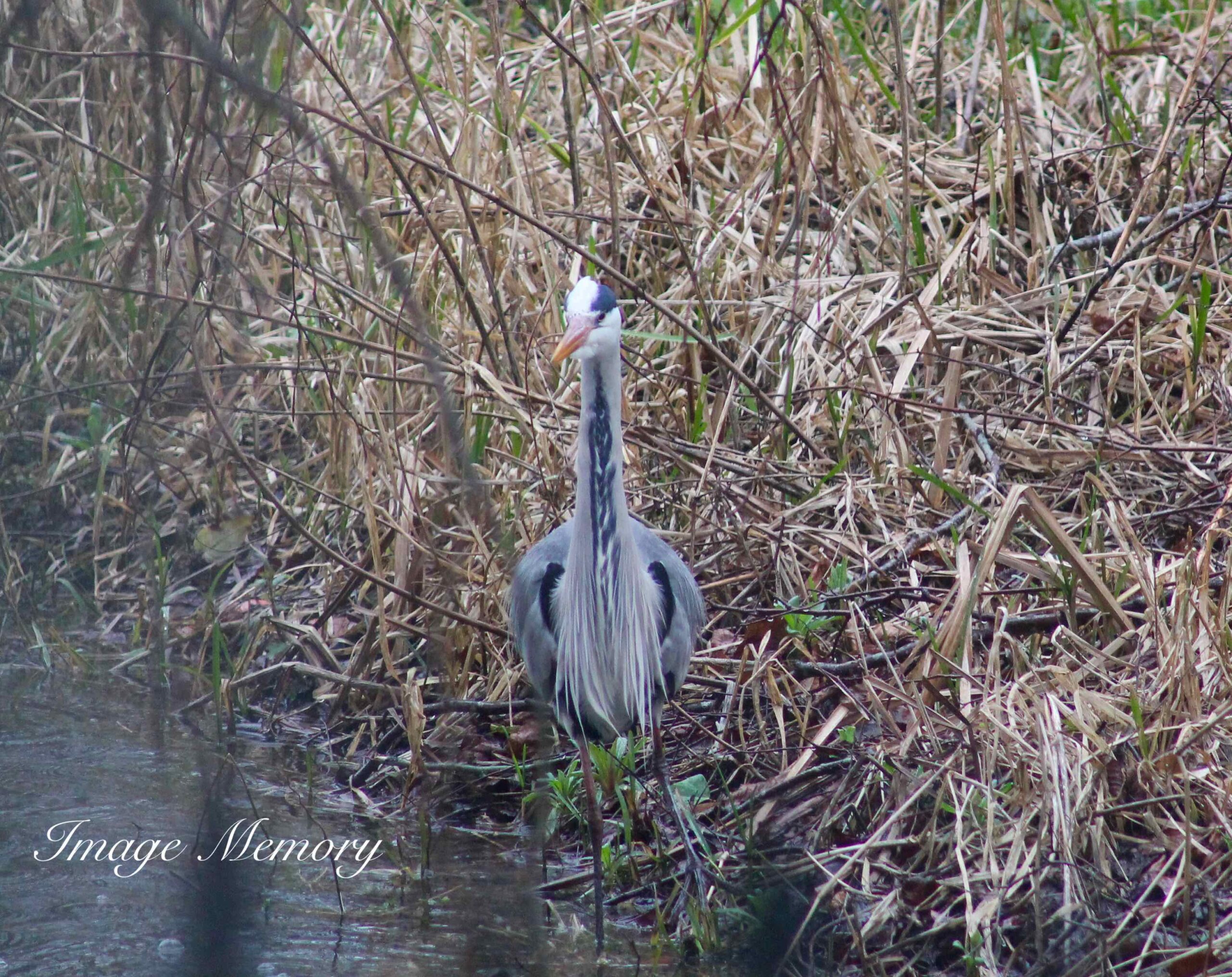
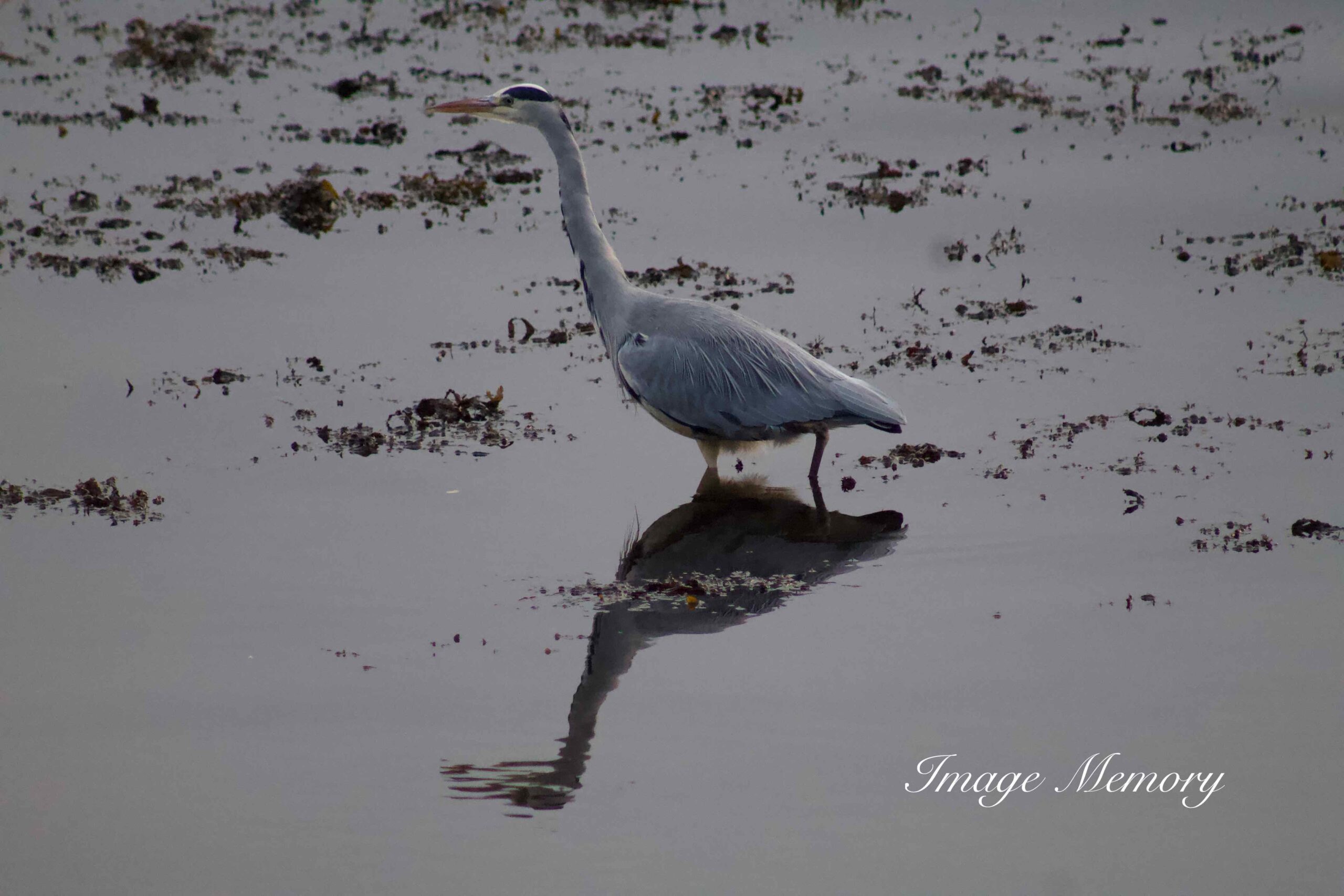
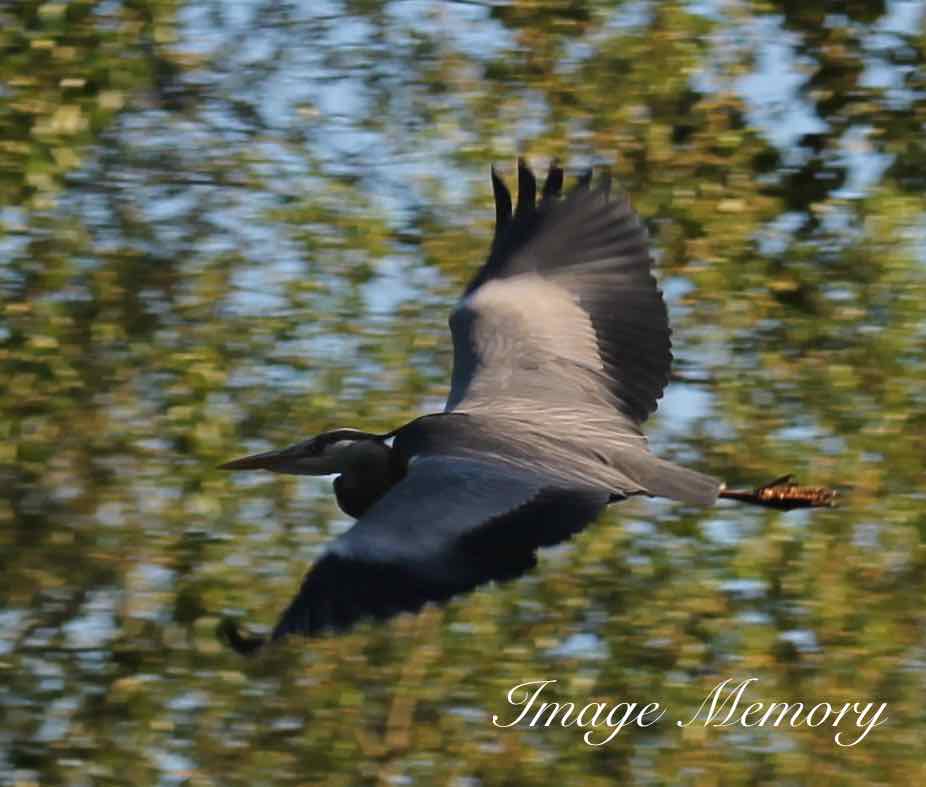
One of the most amazing species of bird that we have observed is the heron.  It is a very tall bird, with strange strands of feathers at the front, that make it look somewhat unkempt.

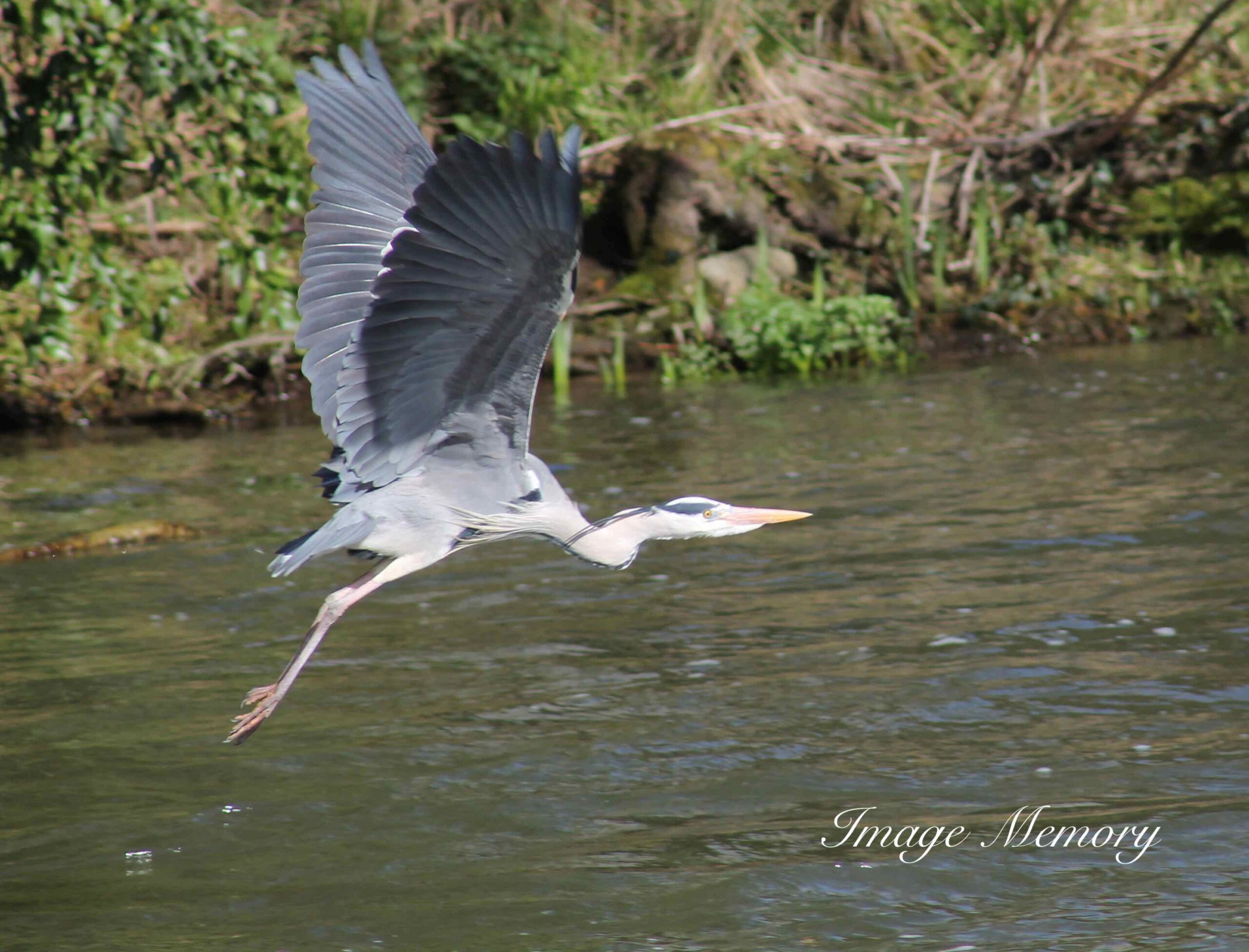
Fiona and I continually discuss the extraordinary features that this sizeable bird has. Their quirks include a bendy neck that it retracts when flying.  This is unlike other birds, like swans and geese, that straighten out their necks in front of them when in flight. The heron has 20 to 21 cervical vertebrae in its neck, which makes this possible.

They look like cloaked school masters in profile. Or the poem ‘Haegri’ (Shetlandic for Heron, please click on ‘Haegri’ for the full poem) by Roseanne Watt aptly describes her heron as ‘curled like a question mark’. They are one of the few species of birds that are prehistoric. I must admit they don’t look like a bird from this epoch when they fly, watching them makes me feel I have been transported millions of years back in time.

The heron is reluctant to take off because they weigh up to 2 kilograms and are up to 98cm in height, with feathers that provide some resistance to flight.  Consequently, a big wingspan is required and this measures up to a full 1.95 metres.

An adult heron needs around half a kilogram of food per day and they will continue on the hunt till this target is reached.  They eat fish, voles, frogs, eels, insects and young birds, like ducklings for example.  Mind blowingly we have seen a grown heron fly towards a mink in a distinctly aggressive way.

I am also convinced that the heron was the model for the birds in the Avatar films (please click on Avatar video clip for the plumes).  If you look closely at the photograph above, you can see a long dark plume of feathers trailing behind its head.  Their plume is like the reins that the avatars used to ride on the backs of magnificent birds depicted in the movies.

Please see photo below that shows the heron with neck fully retracted in flight.

Herons are also very solitary by nature.  I have only ever seen them on their own. Of course, they must find a partner in Spring, or the numbers would deplete quickly! The female will lay up to 10 pale blue eggs and both parents incubate the eggs for 25 days.

Sources of information include:

https://community.rspb.org.uk/ https://www.everyheron.com/

https://www.heronconservation.org/herons-of-the-world/heron-taxonomy-and-evolution/
 

hugo.richardson@image-memory.com 

Photographs by Hugo Richardson

Tel. 07476 343 777

Achieving Vision

You have a mode of transport, but what is the full plan?

Every journey starts with the first step. Rehearsals may be required if the planned destination is the delivery of a ‘performance.’

This is the case with the ‘Arts’ (a performance of a play, musical, film, ballet, poem or painting) and also with commercial endeavours. Sustaining increases in performance, in commercial terms, is an imperative for growth, success and even survival.

So this is an important ‘blog’ for the launch of Image Memory.

Image Memory is the fusion of a lifetime of art appreciation and over 30 years business experience in sales and marketing.

Image Memory seeks to support hospitality clients with their marketing plans through the addition of wall art, photography and installations to inculcate customer memories.

The vision for you to encourage customers can include a new art installation, a refurbishment programme or exhibition of art, for example. These are all good reasons for generating new and / or existing footfall and public relations activity.

For example, a Canadian author was inspired by a map of the London Underground, that hung on the wall of his grandmother’s dining room, to emigrate and live in London.

Hospitality venues can entice customers through a mixture of vectors including location, architecture, food, comfort, service, decor and ambience.

My father regularly took us to hotels he had stayed in on business, because he had been inspired by some or all of the above.

So what strategies do you have in place in 2022 to encourage new and repeat footfall within your hotel, restaurant, pub or guest house?

Who do you call when you want to redecorate or expand your venue?

We aim to work with and for photographers, artists, interior designers and architects to help you as a hotelier, restauranteur or publican inspire customer visits and re-visits through memory motivation.

Hugo Richardson DipM MCIM – 07476 343 777